


Personal Identity, Roles & Personality - Counselling London
To be, or not to be, that is the question.William Shakespeare

Our identity is unique and includes our self-image. It is shaped by many factors and changes over time: biology & genetic make-up, whether we are neuro-typical or neuro-diverse, our nature, temperament, early connections and bonding patterns, family background, upbringing and dynamics (including their and our own expectations and the messages we have taken on board - including the story we tell ourselves). Our identity is also shaped by our history, environment - the environment we inherit and the environment we choose with its social constructions. It is also influenced by how we think, the weighting we put on things, our perceptions, our age, gender, ability/disability, what we look like, our language, accent, our ethnicity and heritage, culture and race, nationality and passport, class, status, education, profession, the work we do, the different roles we have in life, our sexuality, spirituality or religion, our faith, values. Our life experiences, media and social media (alongside any virtual online identities), our own narratives, script and where we locate ourselves socially, pointing to where we belong, also informs our identity, including our shadow. Yet is there more to us than these definitions. We may ask. "What's natural?", "What's acquired?", "What's hard-wired and what's learnt?", "Which identities are foreground/background?", "Which identities make us feel powerful and which ones powerless?" (see also Facets Of Personality, Character).

Our sense of identity & who we are, sense of self is formed in relationship to others, influencing our motivation, resilience, responsibility. And our early connections and bonding patterns from when we are born support the building blocks of our identity. We all need to be attended to, receive positive feedback responses, to be mirrored back and seen, especially in our early years, otherwise we will spend the rest of our lives seeking validation, approval. We all have a public life, which we show to the world, a private life, which we show to some, a secret life of our innermost world, some of which we choose to share and some of which we keep to ourselves. We live in simultaneous worlds externally and also internally (wearing different hats and having multiple roles at the same time), the outer and the inner each influencing, impacting on each other. Some of us may struggle to grow up, inhibiting the fullness of our identity (see also Expansion, Self-Growth, Flourishing, Thriving & Trusting Life - Nourishing It, Having Faith). Alongside our personal characteristics, our self-identity is also linked to our memory, yet our memories are not us - the sense of our self. The more emotion invested into certain memories, the more they can become part of our identity - the narrative we tell about our self. What we tell ourselves, our intentions and beliefs and, how we forge our self-identity, constructing our own life, developing relationships, being separate & different to others, what it means to be a man or woman, alongside other factors (e.g. our thoughts, imagination), shape our identity, who we are (see also Other Influences). We are multi-faceted beings and our relationship also teaches us who we are. Some identities can trap us, limit us, put us in a box. The different identities we have can give us a sense of belonging, what we connect to, how we affect others and they affect us. We have many identities: a work identity (maybe hiding ourself behind this, martyr-like), as a partner or parent, etc., yet these may not be sufficient to us in defining all of who we are yet to know our roles, clarify our skills, behaviour may support us. Paradoxically we may gain a stronger sense of who we are because of our ability to be different when responding to different circumstances, adapting to situations, changes. We may base our sense of identity on external factors & how we look on the outside which may differ to what's going on inside. We may want to find out who am "I" in these different "me's"? and want to discover or live more from our own personal identity centred, anchored in our own ground. A crisis of identity may also point to deeper issues, also of an existential nature. The counselling & psychotherapy can offer support in developing a more accurate perception of who we are - being in touch with the person we want to be (see also Healthy Side Of Being Self(ish)), integrating synthesising all aspects of ourself including our body, feelings, mind, behaviour, sexuality, spirituality - whatever this means for us. And through the acknowledgement that we are more than these aspects, this "more than" may bring us up against our Self as we transcend our identifications.

Being In London Where we are from - our home, forms part of our self-identity & adjusting to the transition of living in London can bring us right up against personal identity issues - how & where we fit in. "What's home?" may be a question we hold. Unsettled (especially if we feel captured by the constrains of our visa), it can be as if we are a tourist in our native country (or county), yet feel a foreigner, outsider or different in London, especially if we are not a native speaker and struggle with the nuances of the English language (we may also find it difficult to make close friends with people we can relate to), experiencing homesickness, inner loneliness or alienation, no longer sure where our "home" now is and where we belong. Lonely in a crowd at times, this may be very painful. We may be living in a country, which is not our own, be missing or nostalgic for our own home country, even though we may have left for good reasons. We may benefit from living in London, yet have forsaken so much, given up important things - even small things we have valued as well. We may have a love-hate relationship with London. Adjusting to living in London, it can be as if we are in some sort of culture shock. We may experience living in London as claustrophobic, busy and noisy, seeking inner peace of mind. Lonely inside, "What am I doing here in London?" may be a question we return to. Some of us may experience family rifts, estrangements, inter-cultural, interracial issues. The culture codes may be very different from where we are from. Noticing & adjusting to the routines, cultural "norms" of London, trying to understand the different protocols, how things work and ways of doing things can be a challenge. Whether to put our roots down in London (do I, can I go back or want to move on to somewhere else) may be a further question. We may have a grief or longing for what was - our friends, family, and old, familiar ways of living. If we are from abroad and living in London, we may also have a sense of rootlessness, especially if we have visa or passport restrictions. Alone or in our inner world, we may at times return to our initial roots, reverting to our mother tongue in how we think, feel & dream, missing aspects of our culture. And our cultural or religious differences in our relationships may also be a cause of concern. Sometimes our cultural way of seeing things is not the same as others & we may struggle to articulate this. Being rooted in London is one challenge, and another may be being rooted inside ourselves. Preserving our self-identity, and where we are from, being centred, grounded in our body, may be important to us, as we adapt to integrating & living in London. (See also Being The Person We Want To Be - Getting Back In Touch With Who We Are & Choosing Who We Want To Be - Connecting With Our Inner Life)

Running on Empty? Feeling empty, we may base our self-worth externally, keep ourself busy with distractions, turn to unhelpful habits or addictions. As if running on a treadmill, we may feel tired of constantly wearing masks, which don't fit - being what others want us to be. "What else can I give you, is nothing I do good enough?" we may ask which may be linked to feeling hollow, empty inside, affecting our esteem and sense of worth. Our emptiness may also point to a lack of meaning, purpose, the need to get back to our own essence, be in touch with our inner sanctuary, feel solid, anchored, grounded, feet on the ground, so we know we exist, entitled to be alive in our own integrity. We may experience a spiritual void, existential emptiness. Self-love may also be absent. (See also Our Sense Of Coherence & Inner Continuity)
To be, or not to be, that is the question.William Shakespeare


Identity Crisis, Who Am I We may have an undercurrent unease or awkwardness in "who we are" or what we've become as if we now want to take responsibility, be individuated become the person we want to be, validate ourselves. (Some of us may struggle with a lost sense of self, loss of identity, confusion with who we really are, which may be connected to codependency, feeling dissociated.) Sometimes we may try hard to fit our identity into our world view, or our identity may be stuck in the past and this may mean facing disappointment, giving up areas of our identity that no longer work for us - where life is happening to us and now wanting to forge our own up-to-date identity that feels more "me", being intentionally focused. When our personal identity or role is wrapped up in one specific area (e.g. pursuing our goals), if things go astray, there may be a problem. (Stereotypically some women may overly tie identity to looks and men - achievements.) We understandably strive to establish our identity through ways of supporting ourselves, our significance in the world, to create a platform in life through blood, sweat and tears, relationships, parenting, friendships, community, security, safety, having a home, alongside the importance of our sexuality and gender. Yet it takes a long time to go inside our Self, to discover our "being" beyond our "doing" often sparked by existential concerns, that all we've built is not enough - not what we're here for. Alienating ourself from our Self, we may have an internal working model or old template for how we are to be in the world, maybe doing things automatically, which no longer works. We don't have to be who or what others want us to be. We may no longer want to do what we are "supposed" to do, how we are "supposed" to be and want to be clear about our boundaries, our "No", We may be uncomfortable, disappointed or have some disdain with who we are or what we've become - trapped on a life course or specific role identity of our own making, which we are increasingly uncomfortable with. Walking our own path, putting trust in us, being in touch with our home truths may matter to us, putting us in touch with closer sense of who we are (see also Power Within - Our Inner Strength, Inner Will - Being Internally Powerful, Personal Will, Personal Power, Personal Empowerment). There may be an uncomfortable or incongruent mismatch between what's going on inside, and how we are in the world. We may have a sense of shame or betrayal. "If I am not this... then who am I?", "Who am I living my life for?", "What am I doing with my life?", "Am I living my life authentically?" may be questions for some which can bring us up against life meaning, purpose. Some may experience a very specific identity crisis linked to their sexuality, religious or spiritual experiences. Others may struggle to grow up. For some it can seem as if we are sitting on our shoulder, watching on what we are doing, what's happening, looking on, watching ourselves from afar. We have our own physicality, personal traits, physical description, personality traits, social roles (and how much we strongly identify with these) yet also may be in touch with a more abstract sense of our self - our humanity and questioning why we are here. This may bring us up against our existential self, querying if we are not the person we thought we were. We may have certain fantasies about how to be in the world. And it can be helpful to address the question "Who am I really and what do I really want?" through different areas in our life - our work, relationships, family, friends, love. We may want to explore that who we really are is simply our experience. Counselling & psychotherapy can also consider the roles of the various masks we show to the world - their advantages, disadvantages, and how we are on the inside - our true nature, very existence. If we want to get to know a friend, we need to spend time with them, and this is no different to ourself. Giving ourself a mental break by really being with ourself, spending time with ourself, with our thoughts, reflections, accepting who we are, may be important. We have different selves, multiple selves, "me's", aspects of us may have yet to be discovered, e.g. angry self, sad self, anxious self, compassionate self. We may want to explore this further (e.g. what musical instrument we feel like today, how we play it, like to be played). Our identity crisis may also point to needing to live a balanced & fulfilled lifestyle, choosing what influences us, doing what we want to do, which may be tied up with putting all our eggs into one basket, focusing on one thing, without exploring other ways we would like to be, e.g. adaptable, calm, energetic, effective, happy, generous and living in the eternal present moment. We may want to bring change into our life through moving home, changing jobs, relationship, yet may find ourself in a similar situation like before. Although we have moved away, we may not have moved on. We are free to change things, yet nothing will change unless we change. (Paul Simon's lyrics may refer to this: "It isn't strange after changes upon changes we are more or less the same, after changes we are more or less the same.")
This above all: to thine own self be trueWilliam Shakespeare
And it must follow, as the night the day
Thou canst not then be false to any man.
Labels & Conditions We may be overly dependent upon or stuck with what we have, "labels", the work we do & job title, qualifications & capabilities, our appearance & outward appearance, what other people are doing, focusing on the surface, rather than what is beneath. Also the labels we have given to ourselves (or been given by others) e.g. our illness and condition, depression, addiction, dyslexia, autism, etc. may ignore our humanness, be limiting us (see The Negative, Judgemental, Critical Messages We Tell Ourself). When we categorise, put labels on us or others, they can get in the way of reality, ignoring that each of us are complex, more than our label. Our "labels" may manifest in our life, but they are not our self, our essence (see also Identifying, Disidentifying & Integrating All Aspects Of Us). The counselling and psychotherapy supports us - the person beyond our labels, reconnecting with who we are. (See also Counselling & Psychotherapy Unsuitability)
Tension is who you think you should be. Relaxation is who you are.Chinese Proverb
Measures Of Success Some of us may not only fear failure but also success. We may fear success so much that we sabotage things. As Benjamin Franklin puts it, "Success has ruined many a man". We may have tied up our sense of identity with the amount of things or money we have (see also Money Obsessed - Addicted To Money, Money Addiction, Money Obsession, Trading Addiction, Counselling London), our achievements (especially men) status or success (maybe counting success in numbers), the work we do, being the best at something, what we own & how well off we are, how much we travel, how impressive our car and clothes are, how sexually attractive we or our partner are, the number of friends we have, the amount of approval & attention we get (or admiration), being a big name in our field of work or how important/famous we are (see also Successful People). We may also measure success by our appearance or body shape. We may strive for more external gratification or turn to unhelpful habits or addictions. Comparing us with others, without living our own life journey, may get in the way. We can be busy in our "doing", we may be out of touch with our "being". We may superficially, externally, tick most of the right boxes (as often defined by society and media), yet if we are empty inside, have abandoned our self, ignored our inner worth, generosity of spirit, all these external qualities of success may seem shallow. These external or outward signs of success may be important and our personal identity may be so linked to what's outside of us, that we may have overlooked who we are and our intrinsic worth, humility, which supports our success. As if we tried to avoid inevitable suffering, some of us may be in despair, we may have been out of touch with how happy we are inside, how kind, compassionate we are with us & others, how much we contribute to the world, the people we helped. Success for some may mean reaching the destination, whereas for others, the journey, our truth, values. Defining our own success on our own terms may be important. We may want to measure success not just numerically but also about the quality of our life, what we create, the joy we feel, having good relationships and a healthy mind. The American monk Thomas Merton points out that we may spend entire lives climbing up ladders of success only to find when we get to the top, that our ladder is leaning against the wrong wall. (See also Thoughts & Beliefs About Happiness, Unhappiness)
Before you can do something you must first be something.Johann Wolfgang Von Goethe


The Different Sides Of Us We can't always be all of ourselves, for example sometimes we have to regulate, contain ourselves. Some of us may be confused, or struggle with accepting, embracing the different & ambivalent sides of us: our dark & light side, our vulnerable side, our pleasant or unpleasant side, our destructive or creative side, our loving side, our sexuality, the sides we hide or deny in us, our shadow, etc. We may have put all our eggs into one basket, being wrapped up with a part of us at the exclusion of other unexplored aspects of us. "Who or what inside of me is driving my life?" may be a question we hold. We may want to explore the contrast, contradictions within us - from being conversational & quiet, serious to humorous, our introversion and extroversion, cautious and daring, caring for us and caring for others, from being patient to being assertive, energetic to serene. Exploring what "self" do we want to express through trial and error may be something we want to consider, as may valuing the strengths, qualities, wisdom of these different sides of us. (Some people feel and act like different people at times - identity alteration, and this may indicate dissociative experiences.)
Poets, Singer/Songwriters over decades have written/sang about the internal distinctions and awareness of our "me", "myself" and "I" - the interconnectedness and companionship we experience within ourselves, including loneliness/oneness, as we attend to, accompany ourselves throughout our life within the relationship we experience between our "me", "myself" and "I".
Maybe our "me" is our personality, independence, aloneness, our body-based "me" (and all the different "me's", subpersonalities throughout our life).
Our my"self" could be defined as our self-consciousness, our essence and presence, our being - the soulful aspect of us (this includes spiritual qualities, spiritual consciousness - both in and beyond us).
The "I" can sense something in me (our felt and observational experience that there is a "me") and may include our ability to reflect, direct and act in the world.

Self-Concept - The Images We Project To The World & Who We Are We can learn to mould our personalities from what we fear is bad, unacceptable - hiding parts of ourself, yet these parts of us do not cease to exist, because they are authentic to who we are and can get cast into our shadow life, often unconsciously. What we perceive doesn't have to reflect reality. Our self-image is also affected by a range of factors, including early bonding patterns, our insecurities, our guilt, shame. There may be an incongruence between our ideal self and what actually happens in our life (including ways those close to us respond) with little overlap. Compassionately accepting these differences may support our congruence with its roots in our early connections and bonding patterns (see also Non-Responsiveness, Empathic Breaks & Frustrations In Our Early Life). What lies behind the appearance we show to the world? The self-image we want to show or project onto the world, how we'd like to be seen, may be different to what's happening inside - in our inner life. We also project unconsciously images of who we really are, and this blurred image superimposed onto the image we want to show can confuse others. To be seen clearly, by being the same inside and out, may be a challenge, so our self-image is more in focus. How we see ourself in the mirror can bring up certain issues, challenging us to face what we need to face. We can prefer to show ourselves as we would like to be seen, rather than the person we really are. Uncomfortable inside, we may be feeling one thing, yet consistently show another. We may like, not like or be uncomfortable with the self-image we show to others being different to the one we are inside. We may believe we are not only deceiving others, but also us. We may kid or deceive ourself, justifying things to suit the self-image of how we are supposed to be, denying all of who we are. Incidents happen throughout our life, which question the way we would like to be seen. The impact of criticism, failing to get approval, recognition, validation and worrying what others think about us especially if someone close to us becomes distant, impacts on our ideal self-image, which may have become punctured, depressing us at times. We may now feel uncomfortable holding onto conflicting beliefs, values, and how these fit with our self-image & personal identity, struggling with rationalising this (see also Discomfort Inside, Dissociation). Some of us may struggle to integrate all of who we are. For example, outwardly we may pretend to be overly nice, please - that must be our role, yet we may be unaware of what we really need or want, or of our true identity. We all take on numerous behaviours, roles and this may be true in our relationships, e.g. victim, persecutor or rescuer. Superficially we can be OK on the outside, yet inside something may be missing. How we and others see us, compared to what we believe about ourselves may be very different (some may experience emptiness, nothingness), and this can also be explored in the therapy. We may want to look at the differences between our negative self-image (maybe that we are unlovable) and positive self-image (maybe that we are lovable). Facing ourself in who we are - being in touch with our vulnerability, tenderness and all we would like to be, exploring any differences between our self and our self-image may be important for us and the therapy can be useful in offering us a mirror back. Moving towards the person we want to be may matter to us. Counselling & psychotherapy can also look at the image we would like to show and how we would like to be, alongside any different authentic & effective roles we need & want to create in life, how these help us, so we are able to adapt ourself to different people, situations, yet be our natural self, in touch with our intuition, gut feelings and come from the core of who we are, our existence, true nature, freer to choose how we see things.
All the world's a stage.William Shakespeare
Improving Our Self-Image, Exploring Our Alternative Selves - Our Alter Egos An alter ego ("doppleganger" - Latin for other I) means an alternative self, that is believed to be distinct from our true, original, normal personality. Finding our alter ego requires finding our other selves, with different personalities (see also Facets Of Personality, Character). Sometimes in order to be successful we can develop a capacity to have alter egos, imagining, inventing different selves, with superpowers - ones we aspire to. This can be supported by taking on characteristics and qualities of others we aspire to and respect. For others we can contact the selves within us - ones we have yet to discover, express (see also Integrating Our Multiple Subpersonalities). We can facilitate our alter ego by taking a step outside of ourself, reflecting on another narrative we would like to live for our life, what we envision, embodying these qualities of other "selves", maybe even changing, adapting our body language and positive self-talk to live another story, modelling the self we would like to become (as if we are giving our best advice to a friend). As we do this, we can integrate our alter ego into our personality supporting our resilience. (Some people take on an alter ego through addictively using online chat rooms.)
The standard of success in life isn't the things. It isn't the money or the stuff. It is absolutely the amount of joy that you feel.Esther & Jerry Hicks

The Roles We Take On We all have and need different roles in life to get on, respond to different people & situations and successfully switch from one role to another, from relationship to relationship (see also How We Relate With Others). We play a variety of roles throughout life, even within a single day - each requiring different behaviours. To be more effective, it can help the transition from one role to another by removing our previous role before beginning the next, clarifying appropriate behaviours for another role. Our roles (and versions of ourselves) continue to evolve throughout our existence (see also Adapting To Situations). Life can be like a drama or play, being acted out - often unconsciously. And in this drama we have a range of different relating states, social roles yet retaining a sense of being one and the same person, all of them useful to us in some way, bringing out different aspects of ourselves may be important. These roles (partner, parent, son or daughter, sibling, friend, neighbour, peer, colleague, authority, our role at work, also the different selves we might be to clients, customers, strangers to meet our and others' needs etc.) require different behaviours. And these roles bring out different aspects of ourselves. Sometimes there may be a gap between who we are - our being, free will and the roles we play from the scenarios in our head and in our relationship. We may believe we actually are this role. If this role becomes under threat, we may take it personally (as if our role is us - our essence) (see also Identifying, Disidentifying & Integrating All Aspects Of Us). We may become defensive or attacking which may be linked to any repetition compulsion. Sometimes we adopt, or have been given, a role in the family. The roles & identities we have taken on or adopted may have been passed down to us or learnt. These old roles, identities or performances may have become redundant, not always benefiting us now. We may try so hard to retain them that we may lose ourself, forgetting who we are, what we value. Having so many roles to play, we may become confused, overloaded. As if we are in a drama, with our own script (see also Our Triggers), we may also want to lose some old roles, which no longer work, develop & create new roles, which are rewarding, enriching, to move on, experimenting with up to date ones, which are clear & closer to who we are now. Living how we want to be, rather than how we should be without the need for external validation, approval, affirmation, reassurance, confirmation, permission, recognition, appreciation, praise, attention, adoration, admiration, adulation, acceptance, trust, gives us personal power. With certain friends and in our relationship we may take on specific roles). Understanding the difference between who we are and the roles we play may be important, so we can clarify what our roles require, switch comfortably and authentically between different roles throughout our day, adapt as our roles change. Yet we (our innateness, Self) are more than our roles we play. Sometimes we can lose ourselves, get caught in a specific role, almost believing we are that role, so at the end of the day we can remove all the roles and characters we've portrayed and come back to our essential self. The therapy for identity issues also explores the wisdom, strengths and qualities of our different roles. How we face life as a human being, and what this means to us, may be worth exploring alongside where we are at right now, so we fully experience ourself as a human being rather than our roles. (See also Personality "Types", Behaviours, Roles & Faces We Show To The World - General)
Watch your thoughts, they become words;Frank Outlaw (also attributed to Lao Tzu who quotes: "A journey of a thousand miles began with a single step")
watch your words, they become actions;
watch your actions, they become habits;
watch your habits, they become character;
watch your character, for it becomes your destiny.
Facets Of Personality, Character Some of us may conflate our personality and behaviour as one, which may be unhelpful. Our personality is not fixed nor permanent, but flexible and we learn skills along the way. It is a complex interaction of character traits with many sides to our nature with life's predicaments, priorities, paradoxes, contradictions, contrasts, ambivalence, influenced by our unconscious, affecting our thoughts, emotions, behaviour, the life we lead (see also Our different parts (discovered & yet to be discovered), identities, personal roles, dominant personalities). Alongside our shadow aspects, we may want to explore our strengths of character. Our personality is not fixed and is shaped & modified throughout our life, and we can change our disposition (see also The Different Sides Of Us). Many aspects shape our character, including the biological, our own temperament. Our personality can also be shaped by the social & cultural context. How much of our personality, character is influenced by the interactions of nature and how much is nurture may be a frequent question we ask ourselves, yet they are so interwoven, feeding off each other (see also Our Free Will, Free Spirit). Different aspects of us may be influenced differently by these two traits of character. We may question what personality traits belong to our parents, and which ones belong to us (see also Intrinsic Self-Worth - Valuing Our True Worth, Who We Are), what traits are inherent (see also Self-Trust - Trusting Our Self, Our Innateness). And although there is an inherited component to our genes, our traits also change, adapt through life events. (Through our genetic inheritance certain traits may not change much, like our sexuality, body structure, while other traits, like our behaviour, optimism/pessimism are more changeable.) Our personality may be determined not only by previous events, but by where we want to head in the future. Our personality may have commonalities with others. Some people talk of "personality traits" or "personality types", introverted, extroverted. We may have certain anxiety tendencies, paying attention to detail or preferring the bigger picture, being led by our emotions, intuition and heart or prefer to be led by our mind, yet often we can be a mixture of these. One aspect of us may push towards getting our basic needs met, and other aspects of us may be pulled by our values and purpose, who we are, where peace of mind, deep consciousness beyond personality may matter to us. "Who are we and what it means to be us?" may be questions we hold, pointing towards existential concerns and life meaning questions.
Some of the greatest battles will be fought within the silent chambers of your own soul.Ezra Taft Benson
Our Temperament, Facets Of Personality, Character - Exploring The Uniqueness of Our Personality In The Therapy Our temperament is who we are, our nature, what we constitutionally are born with as a baby, child, adult - something innate, like our sensitivity (and some would say shyness), whereas our personality includes our temperament alongside our experiences. Some of us may compartmentalise things, which may limit the diversity of our personality and we may want to get more familiar with our internal landscape & road map, exploring the uniqueness of our personality, developing & experimenting with new personal qualities, roles. The counselling & psychotherapy considers not only the impact of our past, but can also be utilised to explore facets and integration of our personality - the wholeness of who we are - our psyche or soul, what makes up our personality and how we create it: our body (and connectedness to our thoughts, emotions), mind, beliefs, feelings & emotions, sexuality & spirituality, our instincts, creative imagination & unconscious motivations alongside our values which shape our character. These aspects, and more, contribute to what makes us different - what we are, our essence of being a person, an individual human being & the unknown, mystery of our personality (see also Being The Person We Want To Be - Getting Back In Touch With Who We Are & Choosing Who We Want To Be - Connecting With Our Inner Life). The uniqueness of our identity includes our purpose, alongside our personality traits, our temperament, nature, enthusiasm, qualities & limitations, our gifts, talents, skills & abilities, dedication, attitudes, behaviours, responses (see also Intrinsic Self-Worth - Valuing Our True Worth, Who We Are). How we identify who we are and what distinguishes us from others also contributes to our own personality, alongside living all our different roles. Allowing, embracing, accepting the aspects of us we would rather not have, or be blind to (including our shadow), may also be a part of our challenge, as they may also hold great wisdom. Becoming aware of, listening to our home truths, what we value may also matter to us. The therapy may therefore include working with unconscious aspects of our personality as we become aware of our thoughts, feelings, actions, which shape our personality and choosing new ones, moving from an old self towards a new self if that is our desire. The counselling & psychotherapy offers support in gaining a thorough knowledge of our multi-faceted personality - all those aspects of us, our strengths, qualities, weaknesses, tendencies, our inherent nature, independence, innateness, sense of who we are, our intrinsic worth, how to be in touch, express & control, divert our desires, drives, instincts, connecting to our truest sense of self (unifying & integrating all the elements of our personality around the centre of who we are - that we are our Self), so any primal wounds are healed, the fullness of our personality is not blocked, but present, synthesised around our self, adaptable, as we take ownership of all aspects of ourself including our body, feelings, mind, sexuality, spirituality, how we act (see also Integrative Counselling Approach - Holistic Counselling). Some have found meditation to also be supportive in this process.
Be yourself; everyone else is already taken.Oscar Wilde

Being Real vs. Impostor Syndrome, Feeling Like A Fraud, FOBFO Some of us may wonder how come we've got to this place in our life. Others may have been leading a superficial lifestyle no longer to our liking and want to remove some of our obstacles, masks & certain outdated roles. (These masks may have helped us get through life, our pain, yet we may not always need them now.) Yet these roles may also have played or continue to play an important part in our lives. Others may spend a lot of time contemplating how we want to be, often contrary to what we're feeling, how we are. (When younger we may have needed to adapt to get our needs met (see also Non-Responsiveness, Empathic Breaks & Frustrations In Our Early Life), and this pattern of adapting is necessary at times, yet in the process we can give away ourselves.) Feeling fake inside, we may be used to "pretending to be me", false in some way, a pseudo-self (some may become accustomed to lying a lot), and now feel like a fraud, impostor, have fear of being found out (FOBFO), or simply uncomfortable about our way of being in the world as if we don't belong, or know what we're doing. This can lead to depression. Some of the roots of impostor syndrome, feeling like a fraud, worrying that we will be "found out", may be connected to family's spoken/unspoken hopes for us to be high-achieving, and therefore we may have lived our life living up to these parental expectations. Others may have picked up a belief of not being good enough, so if we succeed, we are an "impostor" (we may therefore also fear success, including having commitment issues in relationships). Growing up back then, in order to thrive, survive (e.g. please our parents, get along with peers) we would have set up a type of "false self", which we can still carry on into adulthood - this includes our self-image, including self-concept - the images we project to the world and who we are (and also includes our role, labels, job title) at a cost to our core self, true self. And feeling like an impostor we may not believe our own intrinsic qualities, achievements (as if we are incomplete) or have become a perfectionist. And this self-doubt in us, impostor syndrome - that people will see through us, fearing we will be exposed as a fraud, may swing into thoughts that people actually like, value us. Keeping up some sort of pretence, not being real (maybe forcing ourself to smile), saying things in frequently rehearsed ways, can sap our energy, as can forcing ourselves to smile all the time (so who we really are can be hidden). Our forced smile may also hide our sadness, pain. Through our self-deceit, we may kid ourselves at times, feeling uncomfortable with what we tell ourselves, even deluding ourselves - seeing ourself living a life as if we are playing out some sort of script, yet feel unable to stop. Our intention can support us. Without a solid sense of our own Self, we may try to live up to imaginary standards. Struggling to be or show the "real me", we may be torn inside whether to remain the same (maybe remain stubborn, fixed), and not change in ways would like to, yet feel guilty in remaining the same and not changing. We may prefer to live up to what we are familiar with, maybe grew up with, clinging on to not who we actually are or want to be. For some people the challenge of being real can evoke fear of being too exposed. This may be linked to our shame & guilt. "If I take away what I've been, and get rid of the familiar, what's left?" may be our concern, especially if overly caught in needing social approval, to be noticed, for validation, approval, affirmation, reassurance, confirmation, permission, recognition, to be valued, appreciation, praise, attention, adoration, admiration, adulation, acceptance, trust. We may worry, that if we are being our self, that others may not want us, like us, appreciate us (see also Being Congruent, Choosing To Speak Our Truth & Keeping It Real In Our Relationship, Marriage), that they may disapprove. Fearing conflict or confrontation, we may get caught in a double bind of not wanting to upset others, yet be our self. Not being who we are, we may have learnt to please others or fix things. Living life from the outside as opposed to the inside, we may be living an outwardly superficial or successful life, ticking the right boxes, yet inside feel uneasy, wanting to live our life from the inside, outwards rather than vice versa. For some this may be linked to our external, internal sense of safety. For others, our impostor syndrome, or feeling like a fraud, can be about lack of confidence. However, when feeling like a fraud and in impostor syndrome, we may want to give ourselves some slack or maybe that we simply have different aspects of our personality, character that we've yet to integrate, that we simply have a range of subpersonalities - these different parts of us that we manifest. Being in own integrity can support us. Emotionally insecure, our false pride may get in the way, we may want to be more real, stepping through our ego and redundant walls of protection (which we needed when younger to protect us from earlier wounds). We may want to own & express our own reality, be comfortable in our own skin, whatever this means for us, centred & grounded in who we are, have peace of mind, be empowered and positive. It can be counter-intuitive for some of us to accept that at times there is a part of us that feels like an impostor. Comforting for some, being real may include owning, accepting our own imperfections, including our crazy mad moments, mental wobbles, our flaws, quirks, shadow side. Our way of being is not permanent or fixed and we may want to experiment other ways of being. We can choose to be who we want to be in touch with, remember our own unique rhythm, sensitivities, temperament, trusting ourselves, our home truths, intrinsic worth. There can be a false belief and unhelpful self-beliefs, that it is only we that are flawed - that others aren't so flawed, human (see also Self-beliefs & Believing In Ourself). Yet we know ourselves from the inside and usually know others from the outside. We are aware of our own frailties, anxieties, doubts from within, and most of what we know of others is what they may happen to show us, tell us - usually with much narrower, more edited information (see also Social Media Addiction Counselling London). In the therapy for impostor syndrome the "cure", so to speak, may include acknowledging that everyone is as anxious, uncertain as we are, in spite of evidence on the surface to the contrary - for we know others only on the outside and despite lack of reliable evidence, everyone has their own uncertainties, anxieties, insecurities, similar yet different to our own. Counselling & psychotherapy can help explore these dilemmas, alongside what it means to be fully human, be vulnerable (we are all naked beneath our clothes), receive love as well as give it without questioning our competences, our known (conscious) & unknown (unconscious) aspects, any unhelpful thinking patterns. The counselling & psychotherapy can support us at our own pace in being more real, authentic, anchored, centred in ourself, with our own substance, being more visible if that is our desire and we may also have questions about what is real?, which brings us up against existential issues.
To be yourself in a world that is constantly trying to make you something else is the greatest accomplishment.Ralph Waldo Emerson

Being authentic, listening to our gut feelings, being true to ourself in each moment without always having to fit in, be part of the crowd, being aware of what takes us away from and closer to ourselves, supports us responding to life's situations. (And we don't need to habitually apologise when we are authentic.) Letting go of who we think we should be or others want us to be may be important for us alongside knowing, believing we are OK, can be what we want to be. (We can believe authenticity is a fixed, permanent state to be reached, rather than being a moment-by-moment choice.) Being sincere, real, openhearted, embracing our strong vulnerability, insecurities, fully living our life may matter to us, as it supports our self worth and at times we may lose sight of our authenticity. There may be a dissonance between how we would like to be seen, and how we are. Yet if we hold back who we are - how will others know who we are? Being genuine, being real - the person we are to ourselves & others, may be important to us and at times we may lose connection with our authenticity. When we are not being authentic, our esteem dips. We may give away ourselves through fear of rejection or abandonment, "How do you want me to be, need me to be?" may be our stance. This may be connected to our need for love, validation, approval, affirmation, reassurance, confirmation, permission, recognition, appreciation, praise, attention, adoration, admiration, adulation, acceptance. This can date back to our earliest relationship when born (see also Non-Responsiveness, Empathic Breaks & Frustrations In Our Early Life). Like a chameleon we are always adapting to changing circumstances to suit the environment (which is appropriate and wise at times), yet if we are being someone we are not, just to fit in (changing our opinions, ideas, behaviours, personalities to fit in to any situations), we may lose sight of who we are, how to be at times and procrastinate, over-please others. We may also undermine ourself, lose our personal power, unless we are mindful when we want to adapt to either fit in or stand out differently. We may struggle to sit with what we are experiencing, tolerating our uncomfortable feelings, unexpressed anger (including any fears we have at the time). We may want to be in touch with all of who we are (without closing off, shutting down, bottling things up), remain centred, solidly grounded. As we move away from any chameleon-like ways, the images we have of us, the images we would like to show to the world, we may want to find out who we are as we come up against life, connect to what we care about, our vision, what gives our own life meaning. We may also come up against authentic, core, existential life issues. Disidentifying from how we think we know ourselves, embracing our shadow, being authentic - from the core of who we are, being honest and transparent, standing and being in our ground for what we believe in may matter to us and when we embrace suffering and love, we are authentic (this may include showing who we actually are, not how we would like to be), in our state of presence we can sense our gut feelings, intuition, emotionally connect, make things happen, take responsibility and experience meaningful, authentic connections with others, through trust. Yet we can't fully know ourselves because much of what we do is unconscious.
I give my self permission to be "me".
Afraid Of Finding Out More About Ourself Holding onto old habits, we may feel like the "old me" (business as usual) no longer fits, yet the "new me" and new ways of being may yet to emerge. Some of us may feel empty inside. Dismissing all the qualities of our intrinsic self-worth, we may be afraid of finding out about all of who we are, as if somehow self-reflection, self-consciousness is a bad thing (see also Finding Out About Ourself). We may wonder that if we do:
- We may believe we're not normal (yet "normal" is a myth)
- We will struggle to sit with, bear & tolerate any uncomfortable experiences, dark feelings (including our insecurities, the unknown and inability to control many things)
- We may struggle to accept our shadow side
- We find out that there is nothing there, that we are empty inside. (Yet, it may be the wounded part of ourself experiencing emptiness.) It may be important for us to also be more in touch with the fullness of our core self and our potential. We may also find out something we don't like or awful about us, proving we are bad, inadequate, unworthy or unlovable (and some of these powerful feelings again may be connected to our wounded self, not our core self, which can be explored in the therapy together).
- We may ruminate about past experiences
- We will find out something about our past, that we couldn't handle back then - for some this may be true, and our challenge now may be to find the resources to do so.
- We have feelings, which we fear are too overwhelming to feel (we may also be afraid of who we are) and the counselling & psychotherapy can explore these with you.
- We may experience a kind of existential loneliness, which can be included in the counselling.
- We may be unsure in how to be real & honest with ourselves
- We may fear discovering that we have to completely change our life, our relationships, work, lifestyle. (For some, who have been living from their wounded self, this may be what they know they need to do.) Change & responsibility is in our hands, and this can be explored in the therapy together.
Become who you are.Friedrich Nietzsche
Being The Person We Want To Be - Getting Back In Touch With Who We Are & Choosing Who We Want To Be - Connecting With Our Inner Life We are both simple and complex beings and our complexity may sometimes lead to confusion, depression. We may feel invisible, an empty shell inside, have become lost, stuck, out of kilter, overwhelmed by persistent, powerful emotions or beliefs, influencing our sense of identity. We may run away with ourself, yet lose our self in the process, are busy doing things yet lose our being. There are infinite options for self-invention (see also Capacity To Change) yet confused about all these reinvention possibilities, we may wonder how to choose. We may put ourself under constant pressure to be someone else, as if we always have to put up a front, a facade, losing our "essential me" below the surface somewhere. Putting on different masks may continue to help us, yet also be confusing, as if we are forever presenting a pseudo-self, we may speak or act in many disguises. "I will be all right when..." we may tell ourselves. Some may base our value on outside sources or relying on others for validation, approval, affirmation, reassurance, confirmation, permission, recognition, appreciation, praise, attention, adoration, admiration. For various reasons some of us may be confused or lose a sense of our own true identity, how it sits with us, how we are in the world, our own personal freedom, independence, in our own authority and our autonomy. Letting go of an aspect of our life may be a challenge. Inside we may not fit in, belong anywhere (see also Belonging). We may struggle to be in touch with our intrinsic worth, having forgotten the qualities, breadth & depth of who we are, that we matter, are anchored in our own ground, in touch with our own substance, belong & accept who we are, with all our differences, roles. If we are not being ourself we won't be assertive and limit our esteem, integrity. We may want to move from just existing towards fully living, so the journey of our experiences helps form our identity. Choosing how we want to be in touch with our free will, values, conscience & integrity may be important for us. And this choice may include utilising our free will in each moment, to choose who we want to be. Being in touch with our perceptions, how we see ourself, our vision, journey in life, what we want, how we would like to be and making small steps (e.g. trying different responses, approaches, attitudes, initiating things) towards this can help us, alongside identifying our own thoughts, feelings, desires, what we value, reflecting on these, brings out more of who we are, as we congruently express ourselves to others integrating who we are with what we do. The counselling for identity issues may also explores what stops us feeling what we want to, including any shame, but also being in touch with our deepest selves. Connecting to our inner life, being fully functional as a developed human being, can also give us a sense of spiritual connection. (See also How We Want To Evolve As A Person)
The one who follows the crowd will usually go no further than the crowd.Albert Einstein
Those who walk alone are likely to find themselves in places no one has ever been before.
Being true to ourselves may also include the dilemma of which self we are true to, which role do we choose right now (see also Our different parts (discovered & yet to be discovered), identities, personal roles, dominant personalities). If we are expressing all our feelings, thoughts, behaviours in every moment, it may not always be wise, where we can't always make the way we behave match what we feel inside. The continuous struggle whether to be authentic or inauthentic can lead us to existential concerns. We may also believe that being real, authentic means that we must follow our initial feelings - share them all, our basic impulses, urges, give in to bad motives, because they exist, which can ultimately be self-sabotaging. Some may want to consider that rather than responding to our impulses, urges, that we are more in touch with how else we would like to authentically respond from our highest good, acting as if this quality is within us, rather than acting out. Being genuine, truthful to our self (not from the agenda of our wounded self), holding and containing what we need to contain, may be important. This dilemma of whether to say everything, how much to say, what not to, may also be in our relationship. Being authentic, checking what gets in the way, connecting to who we are, our own path, what matters, what we value, living from the heart & soul of who we are empowers us. Being in touch with our values, home truths, trusting our innateness, being who we are as a person, without depending on what others say or do, listening to our conscience, being in our circle of personal integrity may matter to us and help underpin our sense of identity and personal, integrated self - our essence, where we make our own decisions, speak our truth. Being true to ourself increases our self-worth.
Now the years are rolling by me, they are rockin' even mePaul Simon - "The Boxer"
I am older than I once was, and younger than I'll be, that's not unusual
No it isn't strange, after changes upon changes, we are more or less the same
After changes we are more or less the same ...
Our Sense Of Coherence & Inner Continuity This sense of who we are - what makes us uniquely us, our own essence, internal presence, our "me"ness, individual "I" with the ability to individuate, reflect & direct attention, alongside our capacity to change, our personal resilience, unconscious aspects, the small steps we are willing to take can be explored in the therapy. (Some of us may experience feeling broken or as if bits of us have fallen apart, feeling unstable. We may have fled our body, affecting our demeanour, how we carry ourself. What can be experienced as broken can also be experienced as breaking open, where putting the pieces back together, creating the person we want to be may be our task - see also Reclaiming Our Own Ground - Our Inner Stability ) The therapy may explore our integration, sense of being in our personal power, anchored, centred, grounded, connecting to our core, supported by our breathing - shifting our awareness, our own secure base and inner authority alongside our self-awareness, ability to reflect.
Humpty Dumpty sat on a wall,Mother Goose
Humpty Dumpty had a great fall;
All the king's horses and all the king's men
Couldn't put Humpty together again.
Sincerity Being sincere - authentic and genuine in our actions according to our own feelings and thoughts, values, integrity, matching our deeds with our words, being honest and truthful, acting wholeheartedly may be an ongoing challenge as is living the constant process of becoming the best version of ourself. The counselling and psychotherapy can explore what the virtue of sincerity means for us.
Esse quam videri - To be, rather than to seem (to be)Marcus Tullius Cicero
Adapting To Situations We are not our circumstances and we may need to be less reactive to them, more reflective and proactive and in different situations we need to decide and choose which appropriate, diverse, version of our self to be - e.g. a truthful, sensitive, kind, angry self with rigid, fluid or flexible boundaries. Sometimes we may be faced with a dilemma or desire to be all our self and radically real to ourself, others, yet feel unable to be authentic by expressing all our thoughts, feelings, behaviours. (See also The Roles We Take On)
Deep inside we are all the same, yet different.
Valuing & Being In Touch With Our Personal Qualities The counselling and psychotherapy can help explore our internal identity, "inner home", the feeling of home within our Self - our being, the place inside that has been there all along - our essence. Being in touch with and valuing our own qualities: vulnerabilities, tenderness, curiosity, inner wisdom, vitality, passion, humility, appreciation, gratitude, our sincerity, conscience and personal integrity, values, sense of empathy, warmth, virtues, compassion, kindness & generosity of spirit, contribution to the world, our attributes, strengths, gifts, talents may matter to us. Valuing the qualities of our intrinsic self-worth, being all we can be without limiting ourselves or others, in touch with our free will and joy, may be important for us. We can disown, overlook or forget our wide range of qualities and spending time re-acquainting with them one by one can help by choosing the quality we want to embody, contemplating or meditating on this quality, experiencing the quality in us and finding moments in our day to embody this quality.
Underlying Questions We may want to develop a stronger sense of who we are - who this "real me" is. Counselling & psychotherapy can support you with any personal identity struggles you have and important questions, such as:
- How do I form myself as a man/woman in the world?
- How am I in my body?
- What determines my personal identity, self-identity?
- Who am I, who is this me?
- How do I find myself?
- What is my core self, the one that is me, the body & soul of who I am?
- Where am I from?
- How did I get here at this stage of my life?
- Where is my life going?
- What is worthwhile?
- What is really driving me?
- What gives me meaning, purpose in life & what do I value?
- What are my interests or passions, which closely bind me to my identity?
- How to be in the world with uncertainties?
- What's my place in the world, how & where do I belong?
- How do I want to stand in the world?
- How do I accept who I am?
- How to be the author of my own life?
- What role does destiny play in my world?
- How do I relate to a world, that's not just personal to me?
(For more details see Living To Our Full Potential)
We all seem to suffer from a tragic case of mistaken identity. Life is the matter of becoming fully and consciously who we really are, but it is a self that we largely do not know.Richard Rohr
Counselling & Psychotherapy For Identity Issues can help with the integration of all aspects of ourself offering support in exploring our self-identity - our own ground, structures, our intrinsic worth and esteem, sense of self beyond fear - being what we are, who and how we want to be, utilising our free will in each moment (including parts of ourself we have yet to discover), our own essence and internal presence. Being congruent - with our external behaviour matching our internal emotions, thoughts & physicality may be a challenge for some. We may also be struggling with bridging an "old ingrained me" and emerging "new me" - giving ourself permission to be "me", so we no longer live from the limiting restrictions of our past. Learning from or experiences can help update the model we have for ourself (and others). The counselling and psychotherapy for identity issues may explore how we frame our thoughts, beliefs, imagination and how this informs the person we are, want to be. Although framed by the ever-changing social context we live in, the therapy may explore how we don't have to allow the world to make us something we are not, so we can become who we are, utilise our imagination, change the things we want to change, choose our own path. We may also want to be in touch with and develop our personal identity, become more aware of who we are - the author of our own life with our own integrity. Letting go of any over-reliance or attachment to old ways of being, embracing change & transformation, being flexible may be a further challenge. We may want to be open in choosing new ways of being, living, aligned to what really matters to us, focusing on what's actually important, forsaking some things, so we are aligned to what we really value, towards a higher purpose. We may also want to be in touch with our own awareness, the experiencer of these aspects of us - the "I" (our boundaried sense of self having a coherent core as a separate human being, which allows us to move between different roles), asking of the "me" (with its narrative and scripts and the stories we tell ourselves), "who is this person?" And the way we answer this question refers to our sense of identity. Not only focusing on us but also acknowledging our relationships with others, our interconnectedness, how we give and receive love, feel comfortable with ourself and collaborate, engage with others, moving from "me" to "we" being in tune with us and the wider world may also be included in our work. We may also want to explore how within the psyche, the experience of our Self, guides us - informs our "I" in the world. Sometimes identity crisis can be connected to an existential crisis, spiritual crisis. (See also Internal Interconnectedness - Connecting Consciousness To Our Past, Present, Future, Sensing Our Aliveness, Space Beyond Us)
Of all the people you will ever know, you are the only one you will never leave or lose.Jo Courdet

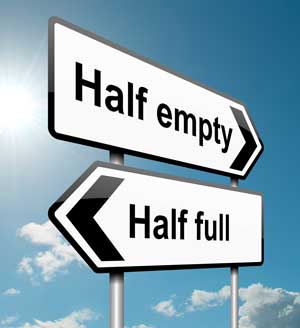
Optimism, Pessimism & Discounting The Positive The attitude we hold, how we choose to see things, think about things, reframe things, influences our decisions, actions, affects outcomes, moods. And our changing moods can affect our pessimism, optimism. (We could for example be a glass-half-full / empty person and even if the glass seems empty, we can choose to empower ourself by refilling it, pouring positivity, our elevated moods into it.) We all feel, have felt, degrees of pessimism (maybe compounded by worry) and optimism in our life. We know that having a realistic, optimistic attitude (see also Appreciation, Gratefulness & Gratitude, Finding The Benefits - A Choice We Make) can help. When we share positive things, good news with others, successful, uplifting and inspiring experiences into others' lives, this also boosts our own positivity. However the simplistic blind, choiceless attitude of being overly optimistic through toxic positivity can be false or come from a fearful place if we must always think positively, Pollyannaish, may often not work for us, especially if we lack awareness, deny suffering, never face darkness (in which our hope has the ability to face darkness), or are feeling a little depressed - see also Our Perceptions, How We See Ourself. (Toxic negativity can also be corrosive - affecting not just ourselves, but those around us.) The pessimist in us may be fatalistic about change, assume from the outset (with a lot of justifications) that things tend to turn out badly in most ways. Holding magical beliefs we may have learnt to think, expect the worst in order to prevent disappointment. In our pessimism (or nihilism) we may tend to be shy, prepare ourself for the worst (our survival genes may be at play helping us to anticipate worst outcomes so we have a better chance for survival) yet it can also prepare us for misfortune, to bear suffering, loss, anxiety, manage our expectations, disappointment, frustrations, anger so we can be calm, allow for surprises, not have unrealistic optimism or pessimism. ("Damned if I do, damned if I don't" may be our way of living - see also Life's Predicaments, Paradoxes, Contradictions, Conflicts, Contrasts, Dilemmas, Ambivalence.) Balancing may be important for some, becoming aware of what we do if we are overly pessimistic (e.g. discounting the positive), knowing what we personally need to pay attention to (e.g. our desire, passion), having awareness of what holds us back. This may include choosing to shift from any learned helplessness, catastrophising, being caught in our victim/martyr, awfulising, impending doom, pessimism, going to devastation (or unhelpful cynicism) towards being positive. "Is there another way I can see it?" can be a useful prompt. We may want to focus on what's possible, our dreams, the bright side and explore realistic optimism - a quality of our loving adult, envisioning our desired future, be open to different perspectives, grounded in reality as we guard ourself against negativity, what brings us down. This may include releasing past hurts, opening our heart, exploring and holding the benefits of faith, hope, trust, gratitude, valuing and looking after our body, framing our expressions positively, sharing our optimism, so it supports our resilience. Planning, preparation and taking action can also support our optimism. We may want to notice what happens to us and the atmosphere around us when our thoughts, feelings, attitude improve.
Being A Visionary, Being A Realist Being a visionary enough to see where we want to go (see also Becoming Our Vision, Visualisation, Envisioning The Reality We Wish To Be True) can be a valued quality, as may being realistic enough to see things as they actually are, so we can create realistic steps to make our vision a reality.
Introvertness, Extrovertness Most of us experience variable degrees of both our introvert & extrovert sides, be ambivert and we may have tendencies leaning more one way than the other, yet also want to balance these, being both active & reflective, so we thrive, yet don't get stuck in the extremes of narcissism, depression or remain unhelpfully invisible, like an outsider or struggle connecting with others, remaining on the sidelines. These introvert/extrovert qualities may or may not be part of our innateness, also connected to the different ways we respond to stimulation. We can also choose to be introvert/extrovert because of our situation, family, community, circumstances and this may or may not be connected to our authentic self. Our introvertness, extrovertness may also point to our sense of inner, outer safety. Those of us who are more extrovert tend to need stimulation, whereas those of us who are more introverted may want to reduce stimulation. The extrovert part of us may prefer more explicit, black and white thinking, whereas the introvert part of us tends to allude to more implicit, contextual thinking. These introvert/extrovert differences can be a source of friction in our relationship or actually be a good match.
In An Introverted Place Those of us who are more introverted, may prefer to regenerate through enjoying & being in our own company, giving ourself time to focus on our internal thoughts, feelings & moods, rather than seek out external stimulation. When around others, our energy may easily deplete. We may tend to be more restrained, take less risks, keep our emotions private and are not necessarily shy or with high sensitivity (HSP). We may be confident, feel at ease, enjoy our own company and the luxury of solitude, be at peace and rarely feel lonely, allowing ourselves the benefits of daydreaming. Enhancing & valuing the qualities of our introvert personality, our self-awareness, thoughtfulness, ability to observe, integrate self-understanding & knowledge, may be important as may exploring the possibility of any untapped extrovertness in us. In our introvert mode some of us may have concluded that we don't fit, are different to others, feel like an outsider, invisible at times with others, have become like a lone wolf, that we are too self-conscious and in relationships we may end up attracting rejection (especially if we don't contribute much towards making connections, feel unattractive - see also Self-Esteem, Confidence, Criticism, Insecurity & Assertiveness). Yet we may be judging & criticising, rejecting ourself (see also Living As If Only We Count). Our introvertness can also be linked to experiencing social anxiety in the form of withholding, going numb or ways we struggle to be authentic and meet others fully, keeping them at a distance, so we are free of exhaustion from stimulation of others or people who are in our space. Being isolated, separate may at times render us needing more contact and we may be seeking counselling for when we isolate ourselves. Inside we may have also cut off from our own life force, vitality, energy, love.
In An Extroverted Place Those of us who are more extrovert tend to regenerate around people, may prefer socialising, being with others. We may also enjoy the qualities of our introvert side, yet others may ignore this. Some may also want to explore the qualities of our untapped introvertness.
Integrating Our Multiple Subpersonalities We have a community of internal, simultaneous different "selves" out in the world - our internal family of personalities (e.g. the pleaser, procrastinator, introvert/extrovert, the ruminator, etc.) and multi roles/identities in the world – a son/daughter, sibling, parent, partner, friend, work colleague etc. In these sub personalities, we can experience a range of different behaviours, feelings (even body postures). These roles we take on, different identities, characteristics (e.g. the insecure one, the frightened character, the angry character), dominant personalities, even body language can be viewed as our subpersonalities, a conceptual device - these different parts of us, helping us function in the world (see also Our different parts (discovered & yet to be discovered), identities, personal roles, dominant personalities). Sometimes we are like this, sometimes we are like that. Some subpersonalities can be polar opposite in their characteristics and harmonising these into an authentic, unifying centre - our Self directing each and every one of our different subpersonalities may be our task - especially when we filter the essence and attributes of these different identities, "me's" (e.g. truth, wisdom, courage). Appreciating and expressing these timeless universal, higher qualities through our range of subpersonalities can support us (a technique developed in psychosynthesis by Roberto Assagioli and an aspect of internal family systems - IFS). The therapy may explore recognising how certain subpersonalities came to dominate our life, accept, and observe their triggers (being playful with our subpersonalities, giving these different identities a humorous name may help), coordinate them by creatively exploring the needs and wants of each subpersonality (usually with its origins back in the past) so our desires can be fulfilled. Integrating each separate subpersonality (including our alter egos) by observing, exploring the relationship and interactions between them in relationship to our whole being and synthesising them by harmonising and balancing them with our sense of responsibility, compassion can help heal integration, as can the process of disidentification. As for harmonising our subpersonalities, we can view them as different musical instruments in an orchestra in harmony with each other, directed by our self. The qualities, strengths and wisdom of our subpersonalities can boost our self-esteem, confidence, in being resilient, help overcome our stress, fear and anxiety. (See also Integrative Counselling Approach - Holistic Counselling)
Our different parts (discovered & yet to be discovered), identities, personal roles, dominant personalities (see below) can sometimes be devoted to a shallow, limited, or partial aspect of us, and the bigger picture - all of who we are, can be overlooked - we can shoehorn ourself into narrow definitions of who we are or could be. Getting on in the world without fully participating in it, we may question our current sense of identity. Some of our old hooks, roles or identities may no longer help us, or we may no longer value them - see also Old Roles, Fixed Identifications (e.g. we may identify "who we are" as our mistakes or weakness). We may have reverted to familiar traits, tendencies, "template" or "default" behaviours, roles, which wax and wane, don't always serve us. Believing we are no good can affect our very identity and putting on a brave face may not always work for us, as may not being real to ourself, struggling to listen to our inner voice, be present in the moment & be who we are. Connecting to our our own worth, being in our own authority, the author of our own life may now matter to us. We may be stuck, caught somewhere between past, present or future. If our free will is trapped, we may be so overly focused on one part of us at the expense of other unexplored aspects (see also Relationship Choreography, How We Engage In Conversation With Good Faith - Styles Of Relating, Relating States). We may struggle to take responsibility & care of our feelings, accept or love ourselves, lost our courage, sense of humour, laughter, neglected ourselves along the way. Who we are and how we are can be confusing. We may struggle to simply not know the answers (or deny our own, unique peculiarities, our "mad", "crazy" bits, mental wobbles). We may have various conscious, unconscious disowned, undiscovered parts of ourselves (see also Allowing, Embracing, Integrating What We Ignore - Our Shadow, Light & Dark Side). Our conscious, unconscious personal identities are not fixed, and open to change, evolving as we disidentify from what we need to. Letting go of these old ways, so that a more authentic "me" emerges, being at ease with who we are & with others may be our challenge, so we have a stronger base for our Self, feel centred and grounded. We may have our own scenario about what it would mean if we opened up and be our self, integrating all aspects of our personality - broadening our self-identity. This integration of all aspects of us can be explored in the counselling & psychotherapy, including our shadow, resilience, resolve & self-discipline. We can let certain circumstances, our relationships, work, wealth, health, emotions, anxieties, fixed beliefs rule our life. If we believe that something or someone rules our life, what we really say is that we have no control over our life. Yet this is our life and we can take control, responsibility in order to take charge of our own life. Therefore certain character traits, roles, dominant personalities (e.g. our work identity), feelings, emotions, thoughts and beliefs or behaviours can dominate (see also Self-Sabotage, Destruction), as if this is all we have, or all of who we are. They can become our only identity, affecting our self-esteem, confidence, insecurity and assertiveness. The therapy can include exploring each part of us - our internal family of different "me's" (which can be viewed as our community of different "selves" simultaneously, our subpersonalities). They may have diverse states of energy, feelings, beliefs, behaviours - some of them clashing, others complementing each other, yet all my carry certain qualities, strengths, wisdom), e.g.:
- Dominant Personality "Types", Behaviours, Roles & Faces We May Show To The World
- The problem solver, fixer, trying to fix things for others
- People pleasing
- The frequent apologiser (or the one who never says sorry), apologising when we don't really mean it
- The peacemaker, pacifier, mediator
- The internal saint
- The sage - the one who holds & imparts knowledge
- The caretaker
- The taker
- The giver
- The empath
- Addicted to pain, suffering
- The victim, "Poor me", martyr, masochist, the rescuer or saviour (the world saviour), the dictator, sadist or persecutor or the self-persecutor
- The nihilistic one
- Feigning, carrying, empathy
- A pseudo-self, fraud, false, fake, like an impostor
- The manipulator, the isolator, the evasive one, the flatterer, the charmer, the baiter, the habitual liar, trickster
- The underminer
- The sensitive one - allowing our buttons to be pressed, feeling invaded, giving our power away, triggers & hooks to be activated
- The porous one - tending to absorb others' emotions, easily invaded by others or the world
- The anxious, panicked part of us
- The self-doubter
- The ruminator, worrier
- The "inner" critic or censor, the judge or "inner tyrant", "internal persecutor" - comparing ourselves with others
- The unforgiving one
- The wounded, guilty, ashamed, over-defensive one
- The cautious one
- Our fearful self, the catastrophiser with a sense of impending doom
- The sad one, remaining in a sad, depressed place, sense of hopelessness
- The apathetic one
- Our anxious self
- The procrastinator, the indecisive one
- Being a visionary, being a realist
- The introvert, extrovert
- The optimist, pessimist
- The disappointed one
- The despairing one
- The insecure one
- The survivor
- The conflict avoider
- The socially awkward, the outsider, invisible one, shy one
- The bored one
- The lost soul
- The dreamer
- The observer
- The daydreamer
- The abandoned one
- Lonely, empty inside, ungrounded, up in the clouds
- The loner
- The angry, abrasive, confrontational one
- The passive-aggressive one
- The complainer
- The resenter
- The apathetic one, closed heart
- The moody, grumpy one, the irritated one
- The cynical, sarcastic one
- The righteous one, know-all, only we know best & closed to listening
- The one who lacks humility
- The joker, entertainer
- The peculiar one, with our "mad, crazy moments", mental wobbles
- The cool one
- The clever one
- The social climber, need to impress
- The self-absorbed, self-centred, arrogant, self-important one, making everything about us, the narcissist
- The stubborn one
- The superficial one
- Tying up our identity with money
- The falsely proud one, "false" pride, too proud for our own good
- The perfectionist, over-demanding one, super-achiever, the striver, slave driver or taskmaster, the competitor, the controlling one, the one who needs to know everything, the uncertain one
- The organiser
- The planner
- The dictator
- The bully
- The saboteur or rebel (see also Sabotaging Things In The Relationship Or Marriage)
- The drama king or queen - causing a drama, creating dramas
- The out of control one
- Our dependent, codependent, independent, interdependent, addictive self
- Living life as if everything is preordained, destined
- The responsible / irresponsible One
- Personality "Types", Behaviours, Roles & Faces We May Show In Our Relationship, Marriage (see also Our Behaviour In The Relationship Or Marriage)
- Our attachment style
- Being controlling, competitive, blaming, criticising, withholding & withdrawing
- Being envious & jealous
- Trust & intimacy, desire & love issues
- Giving love, yet struggling to receive love, or vice versa
- Not asking for what we need
- Neediness, craving for attention
- Creating high maintenance relationships
- Neglecting our relationship
- Avoiding commitment, pushing & pulling on our partner
- The love avoider, intimacy avoider
- Feeling unloved, loving too much or too little
- Secure Style Of Attachment/Relating (Becomes Autonomous Style Of Relating As An Adult)
- Insecure Attachment - Our Ambivalent Or Resistant Style Of Attachment/Relating (Becomes Preoccupied Style Of Relating Or Anxious Attachment Style As An Adult)
- Insecure Attachment - Avoidant Style Of Attachment/Relating (Becomes Dismissing Style Of Relating As An Adult)
- Insecure Attachment - Disorganised, Disorientated Style Of Attachment/Relating (Continues To Be Disorganised With Unresolved Issues As An Adult)
The Problem Solver, Fixer - Addicted To Fixing Others Problem solving, trying to fix others by meeting all their needs can be our second nature. Many of us are pragmatic, stepping in to find solutions, fix things, and this can at times work well for us and others. Sometimes we can well-meaningly jump in, look for solutions, be a problem solver trying to fix people, when in fact they may want to be heard, respected, understood. We may try to solve others' problems, fix things, because we care about someone. Yet some of us can feel like we always have to rescue or solve things, problems, even though help is not what is asked for. Obsessing about other people's problems, "This is what you need to do" (often meaning "I know what's best for you"), "Can't you see, if only you'd do it my way" - may be our attitude. Our fixer may tend to say something like "If I were you I would ...", "Let me do it for you". Trying to fix others may not only be about caring for others but also to do with a subtle and often unconscious way of being controlling, where we may be stuck in our head, heart closed. In our role of fixing others at least we can remain in control, yet stepping in to fix things, especially when uninvited, may be received as being controlling. When others have a problem, it can be very tempting to find solutions, suggest solutions, mend things, yet this may not always be what others (including our partner) needs. We can be good at stepping in and fixing things or solving problems and want to fix things because we care, and it is our way of showing this. We will do what it takes, or whatever it means, to make it better. However keeping busy, fixing things, may not always work. Unappreciated, we may end up becoming frustrated or angry or when things or others can't be fixed, or others don't allow us to fix things. We may become anxious, attacking or feel redundant as if there is no other way of relating. Bypassing our own feelings, we may be well-meaning, jumping in to fix things, as a way to stop others feeling bad inside and also ourself (as if we are responsible for others' feelings, because we don't have to think about ourself) - if we struggle to be aware of our own distress, sit with the distress of others. We may try to take away others' struggles, pain. (And some of this may be related to deeply feeling our parents' pain or others around us, which was unbearable for us - so we would try to make them happy, which may be connected to our own fear of abandonment, rejection or criticism.) In order to avoid other uncomfortable feelings, trying to fix others may have become our habit yet may disempower others. Inside of us we may be unable to bear it if things can't be fixed, resolved. Being compassionate, listening, rather than jumping in, showing we care also in other ways, may be a challenge for us as may asking others if they need our help to solve a problem, and if so, how we can help. The counselling & psychotherapy may explore what may lay behind our need to take responsibility for others' issues and what personal need in us we may have forsaken, don't ask for. (This may play out in our codependent relationship where we find people with broken wings and try to fix them, yet this may come from an omnipotent place in us.) In our fixer mode, we may have a dominant personality as the peacemaker, pacifier, mediator. The therapy may also look at what we are trying to fix in others - that this may be in us, acknowledging our own wounds, shadow. For some, this may include that only by loving our own inner child, loving ourself and sharing love with others that we may be able to let go of always trying to fix others and developing the skill of knowing when it's best to step in and get involved, guide or help and knowing when it's better to step back, get out of the way and give others space to discover and do things for themselves is a skill.

The People Pleaser - Addicted To Pleasing Others, Brown-Nosing We want to please others because we care and it is a wonderful thing to please others. Yet we may feel others discomfort and in a needy situation and deciding to please from our place of discomfort may mean trying to make ourself feel better which in turn amplifies their own needs. Choosing to please others, we may feel obliged, yet trying to do what others want, and being over-compliant or saying sorry a lot, may hide underlying motivations. As if we are secondary, we may continuously shape our response by how others convey their feelings, telling them what they want to hear and second-guessing can be exhausting. Sponge-like, putting others first, we may lose our sense of self in the process. Also, while we keep on pleasing others, we may lose track with who we are, become like a doormat at times or struggle to keep in touch with and express our needs and wants (see also Relationship Style, Attachment Patterns). Sensitive or well meaning, we may not want to hurt others, upset them including our partner, and feel guilty when we do or guilty if we say "No" (see also Assertiveness). We may struggle to know the difference between being super nice & being loving to ourselves by not abandoning ourself. We can constantly try to please, placate, , compromise, pacify, become a peacemaker, mediator as our dominant subpersonality, be superficially nice & pleasant, the giver in our relationship, seduce or rescue others, and may have been doing this for years (it can take up a lot of time), seeing ourself doing this as if we have no choice. Seeking approval, affirmation, reassurance, confirmation, permission, recognition, appreciation, praise, attention, adoration or admiration, we may try to get others to like us and in order to do this we may hide some of our feelings, not say things that others may not want to hear. We may brown-nose others, especially with authority figures - trying hard to please them, being flattering, sucking up to them. Deep down, some of us may not actually like pleasing others, yet seem unable to stop as if we are giving away ourself, relying on others to be our source of self-worth. We may be pleasing others, or promising them out of duty to make them happy, as an omnipotent way of trying to control (or change) them, so they won't be unhappy. We may believe that being really nice, pleasing, makes others nice, that we have control over whether or not others are open, nice or please us. Deferring decisions to others, we may have discounted our own needs (see also Healthy Side Of Being Self(ish)), be scared of others' reactions, fearing conflict or confrontation. If someone is in a bad mood it can be as if we have to make ourself emotionally responsible for it. We can be there for others, yet not get much back, which may be linked to the need to be in touch with and asking for what we need - speaking up for ourselves and letting others, our partner know what works best for us. (In our sexual relationship we may fake pleasure, satisfaction.) At times we may wonder why the more we give, the more others take. Sometimes our own forsaken needs (including our basic dependency needs) can be expressed out of character, as if out of the blue, where others, and even us, may become surprised when we switch from pleasing to attacking. This can build up inside and especially when we are kind, caring & wearing our smile on the outside, we may try very hard to accommodate others, be what they want us to be, and when things don't work out or we can't hold things in any longer, we may become suddenly very blunt, implode or explode.
I cannot give you the formula for success, but I can give you the formula for failure: try to please everybodyHerbert Swope
Pleasing Others - What May Be Happening Inside Our need to be liked, not wanting to let others down (at great cost to us, and often the very others we didn't want to let down) may go a long way back. (We may for example have learnt to be good through having a depressed or harsh parent who couldn't cope with others' complications, difficulties or were disapproving fearful, angry if we weren't perfect.) Our parents may have been distracted and the only way for us to get their interest, attention would have been to be good, become an expert in satisfying others' expectations yet maybe secretive where our real thoughts, feelings may remain buried and come out in unexpected outbursts because our parents may not have tolerated negative feelings, darkness, our shadow, complexity any "badness", envy, greed, tantrums.) Our sex life, ambition and creativity now may be affected Empty inside we may want to make things better, be perfect, feel guilty if we can't. And for some in our pleasing, its roots may live in our shame. We may codependently believe that we are only OK if others are OK. Some of us may believe that we have to please others for our very survival, to be alive - for the core need to be seen, part of the tribe. We may be influenced by other people's feelings, taking them on as ours, as if we are the cause of their bad feelings and therefore must somehow be responsible. Lines between what's their feeling, our feeling, may become blurred. Inside we may be fear-driven by what others might say or do, trying to second-guess what the other person needs, as if we hold ourselves hostage - "I'll be what you want me to be". For fear of being exposed we may end up trying to please with excessive compliance, exaggerated politeness, yet lose our own integrity, struggling to be real, authentic. How others see us may have become more important than who we are and we may go to great efforts to be nice and it can be as if we are wearing a mask (or have become a caretaker in our relationship), so we are perceived in a certain way, receive the validation, appreciation, we find hard to give to ourselves. We may continuously put on a front, cover things up, pretending uncomfortable things aren't happening inside of us. We may like to show the world that it doesn't matter or nothing bothers us - but it does really (see also Not Wanting To Let People Down - Fear Of Disappointing, Hurting, Upsetting Or Annoying Others, Our Partner). Continuously trying to keep everyone happy can become a burden. Passive and over-polite, we may end up apologising when we don't really mean to. Outwardly, we go along with things or agree with everything, maybe even trying to be what someone else wants us to be. We may mistake this for connection, yet inwardly we feel emotionally disconnected. Even when we're agreeing with something (often when we forcefully agree), over-complying it can be really annoying & frustrating for us inside. And guilty inside we may struggle to say "No" directly, or automatically say "Yes" when we really mean "No", and then have to find ways round this. Saying difficult things and asking for what we need may not come easy to us, as may having courage to be disliked. We may have learnt to hide our own feelings, dating back to the innocence of our childhood. Almost a pushover at times, we may not want to stand out, be self-sacrificing, yet overtly or secretly resent others (and have psychosomatic symptoms) for not being grateful, appreciate our efforts, as if we become like a victim, martyr or rescuer. Inside, we may be also furious, angry, struggling to integrate these. Over-giving, pleasing others, going along with things, forsaking ourself may be our attempt to fit in, be liked and approved, so we are not abandoned, rejected or to keep score in a hope we receive back. And in order to avoid this rejection or fear of abandonment, overcome our self-critical voice, we have to please, act good to prove to our self we are a good person - "you can make me feel better about myself". (Some of us may use pleasing others as a way of striving for sainthood yet underneath trying to control others.) Struggling to be centred in our own ground, we may need to stand up for ourselves without always conforming, pleasing. Some may need any sort of a relationship at all costs and we may sell ourselves short, having abandoned ourself. The therapy for people-pleasing includes exploring ways we no longer need to over-compensate (which may be related to our attachment style, past trauma - resulting in fawning) so we feel empowered without losing our qualities of flexibility and cooperation.
Commonalities Between Our Fixer & Pleaser Offering genuine acts of service can be fulfilling. Yet sometimes when someone has a problem, concern, is anxious or something goes wrong in their life, we may rush in trying to solve things, because we want things to work out for them. It may be that we too feel anxious inside, believing that unless we do something about this, we are somehow not good enough. What others may need more of is to be understood, our support, not our solutions, and when we find out more from them by asking questions about how things can best work out for them, we can help them find their own solution in which they are more likely to feel empowered and apply their own solutions (see also Selfless Love). We may need the courage to be disliked. In trying to make ourself likeable, we may struggle to be in touch with, express our needs, personal boundaries (see also Healthy Side Of Being Self(ish)). Other similarities between our need to please others and fix things may include:
- Mistaking pleasing or "fixing" others for empathy, love
- Believing we are responsible for everyone around us
- Having an internal "inner saint", peacemaker subpersonality
- Struggling to know when it's best to step in, support and when to step back, witness - give others space to do things themselves.
- Fearing impending doom, trying to take people out of their emotions
- Seeing other's people pain, wanting to take it away, struggling to identify, acknowledge, manage our own painful feelings (see also Suffering & Love)
- Blaming ourselves & believing we are responsible for things we are not emotionally responsible for, e.g. others' feelings, happiness, health, etc.
- Trying to make things better, all right, offer solutions, solve things, which are in the other person's hands
- Disempowering others, not allowing them to grow, if we come from our own place of discomfort
- Seeking validation, approval, affirmation, reassurance, confirmation, permission, recognition, appreciation, praise, attention, adoration, admiration, acceptance, trust
- Trying to rescue situations, yet ending up feeling like a victim or becoming attacking, which may surprise us or others (see Drama Triangle of Victim, Rescuer, Persecutor)
- Holding it all together for others (without paying attention to our own needs). In our attempt to please others or fix things we may make them become dependent on us, which meets our own dependency needs, yet our pleasing or fixing may be received as being controlling
- Behind our need to fix things or please others we may also have fears of abandonment or rejection, being on our own
- Pleasing, trying to fix others - basing our self-worth externally rather than internally
- Being ultra-nice, superficially nice, yet hiding our shadow side, ego, repressed, suppressed anger
- Trying to meet others' expectations
- Suppressing, repressing our own unhappiness
- Being seen as available for others' demands, needs, rather than taking care of our own & take our stand, expressing our needs
- Being uncomfortable in a different role, other than pleasing or fixing
- We may close down something in the other person by not allowing them their space
- A belief that we know best & can make it better
- Whatever we do, may never be enough
- Impatience
- Jumping in to fix or please almost automatically, as we feel we have to
- Struggling to really listen
- A need to get it right or be perfect
- We may not hear or acknowledge what others really say, because our focused attention has gone on to fixing or pleasing
- We may want to protect the other person, and indeed us, from uncomfortable feelings, e.g. not wanting them to worry, get angry or reject us
- Our fixing & pleasing may be a way of glossing over things, filtering things out, not considering others' real needs
- We may struggle to manage certain, uncomfortable or unbearable feelings
- Automatically working out what others need, want from us
- In our habitual need to fix things or please others may also be a need to avoid emotional intimacy, emotional connection, conflict & confrontation
- Avoiding challenge, discouraging difference, which may lead to difficulties in allowing relationships to develop & grow
- Trying to fix things, please others, believing that if others feel safe, so we are safe
- Uneasiness about not knowing things & the need to be in control
- Wanting to look after others, trying to take on a caretaking role, yet abandoning our own needs, repressing our feelings
- Finding it hard to allow or encourage others to flourish
- We may become insecure inside, struggle with our confidence & esteem, when our role of pleaser or fixer doesn't work
- Trying so hard to please or fix things we may end up struggling to be real. We may fear that if we stopped continuously pleasing others or fixing things, we might be exposed as a fraud or fake.
- Believing that by helping, "fixing" them, making it all right for others they will make it all right for us
- It being so important that the other is OK (that if not, we are somehow not OK) that we can end up being subtly controlling
- We can take on emotional responsibility for others, and blame ourselves when things go wrong, that it is all about us
- People around us (and indeed ourself) may become frustrated, and the more we try to fix or please, the more frustrated we & they become - they just don't seem grateful
- We too may become angry, when despite all our efforts, we are not appreciated or our role of pleasing or fixing becomes under threat and we may wonder why our good intentions are unappreciated
- Not wanting to let others down, disappoint them, maybe trying to control outcomes we may seek approval, affirmation, reassurance, recognition, validation, appreciation, praise, permission or confirmation
- Learning to please or fix things, it may be as if a part of us has not grown up, stuck with some unhealed wounds
- A part of us may no longer want to fix or please, yet both us & others have become comfortable in this role (as if that has become what the relationship has been based upon)
- We may have set up a codependent relationship
- In relationships, fear of hurting, upsetting or annoying our partner, yet there may be a price to pay
- Tiredness, exhaustion, continuously trying to please others, fix things, giving so much, we may feel empty inside
- We may struggle to be healthily self(ish)
- We may find it difficult to take pleasure in things
- Not taking a stand, not being in our own power, inner authority, lacking a sense of coherence, inner continuity
- Not listening to, responding to our intuition & inner knowing - gut feelings, hunches, instinct

The Peacemaker, Justice Seeker, Pacifier, Mediator Valuing being in tune with ourself and the wider world, our interdependence, interconnectedness, the wellbeing of others - generosity of spirit, being in service towards others, acts of service may matter to us. Community helps us connect. We may have a desire for harmonious environments, where everyone gets along. Pacifying things, mediating, being a peacemaker with all its skills (open-mindedness, warmth, being amiable, peace-loving, justice seeking) can be undervalued. This dominant personality trait in us may also include being friendly, cooperative, adaptive, agreeable, trusting, empathic, easy going. (For some we can take on the role of world saviour.) Our own challenges may be facing conflict, stubbornness, resistances to change, or being over-conciliatory, always trying to fix things, having low self-worth - focusing on other people's agendas, what's going on around them, maybe forsaking our own feelings, needs or asking for them to be met. With our peace-making skills in conflict situations with others, we may also want to utilise these to any parts of us that may be in conflict. Keeping ourselves in reserve, in our often introverted state, we may believe that to be valued, loved, we must only go with the flow, never rocking the boat, wanting to insulate ourselves in a world where there is sometimes conflict and chaos as a part of life (see also Not Wanting To Let People Down - Fear Of Disappointing, Hurting, Upsetting Or Annoying Others, Our Partner). Often likeable, tolerant, steady and optimistic we may keep a part of ourself in reserve, not be in touch with or express our full range of feelings, overlooking our self, our own dreams. Focusing on others, we may be a good friend to have, be a good listener, supportive, yet struggle to assert our own views, opinions, or ask for what we need. We may feel overlooked, because we don't demand much, yet feel hurt because of feeling neglected in the hope that by continuing to please (or rescue others) everything will be OK. Often a good coordinator, we may struggle with leadership, which may be linked with a lack of faith in ourself, our own indecisiveness, fear of conflict, stepping out of our comfort zone. Having the right to say "No" to things we disagree with may be challenging. We may try very hard to be liked by everyone. Dictated by other people, we may have based our own worth, approval, validation, internal harmony on external peace, without valuing ourself first. Believing in ourself, loving ourself, valuing our needs, desires, emotions and right to be happy may be important. Alongside exploring the roots of our peacemaking qualities, the counselling process may include being in touch with and expressing our own (maybe shadow) emotions (e.g. sadness, frustration, anger). Forsaking our self we may want to steer the focus back on us (see also Healthy Side Of Being Self(ish)) rather than on other people's agendas, exploring what's important to us, our own plans, priorities, thinking, so we also live our life to our full potential.
The Survivor Through surviving past traumas, a wounded part of us may feel so relieved, yet remain in the basic survival mode - as if our nervous system is still in shock, that we still are watching ourself from afar, not really embracing life to the full. In a fight flight freeze response, we may feel lost, stuck or have abandoned ourself. Some of us may also hold a guilt about surviving something, that we are alive, that maybe others aren't.
Social Climber, Need To Impress Struggling to be genuinely affectionate, some of us may try to impress others, namedrop, strive up the ladder to be a social climber, stopping at nothing in our way, in order to get the money, power, status we crave. Our social interactions become strategic, designed to maximise our aspired lifestyle. Rather than impress, we may need to establish trust.
The Complainer Some of us may complain as a form of socially connecting with others, to share experiences or as a form of humour. Complaining is sometimes necessary & helpful, yet some of us may struggle to be selective (as if we can't talk without complaining) and constructive with it - using complaining as a form of control by hoping someone will change. Some of us blame, judge ourself, others, including our partner, for what's going on in our life - asserting that they are the cause of our suffering, refusing to be accountable, take responsibility for the consequences of our choices. We may also complain when we feel miserable inside, struggling to care for ourself. Habitual complaining (often linked with our cynicism and sarcasm) may victimise us and ultimately make us not feel good, unhappy inside. Dumping our negative energy on others may put them off (unless they too like to complain and therefore commiserate with us, so we can feel less alone). Complaining can make us feel more abandoned, sapping our energy. Complaining can prevent us improving, also stop us having open, caring, or loving relationships. When we complain, it not only brings our own mood and motivation down but affects others. In order for people to listen to us, minimising our complaining - discerning what is necessary may be effective, as may transforming our complaints into positive comments. We can choose to complain, be resentful, bitter, hold grievances, bear grudges or appreciate, be grateful for things, however small, including the ones we take for granted. (Some of us may try to make those who complain happy by trying to rescue them, please them, which may be counterproductive at times.) Underneath our complaints may live something important that is unresolved, which can be explored in the therapy. Complaining to ourself or others brings us down, drains our energy. Complaining often comes from our wounded self, so we can hold on to the illusion of control. It puts us in a negative mindset, therefore when we're complaining to our self it can help us to allow for that to happen for a few moments, to discharge it, then stop, to shift it from complaining towards solving the issue and finding something to be grateful for, express gratitude. We can then notice how different we feel.
On The Receiving End Of Complaining We don't have to add fuel to the complaining or engage with it and may be able to influence the person complaining. We can change the subject, try to lighten the mood, be humorous, share something positive to change their feeling, perception or even stay quiet and not say much. Sometimes we may need to graciously step away without hurting the other's feelings.
The Dreamer Our dreams are important to us, as can be our daydreaming. Yet for some of us we may be full of grand plans & ideas, persuading & convincing us & others that the secret of our success is at our fingertips. We may struggle to follow our lofty dreams through - turning them into reality, or think through our dreams in realistic, concrete ways, which can result in social & financial problems. We may end up dragging others in, procrastinating. It can be as if we are stuck somewhere up in the clouds, finding it hard or painful to come down, be centred, grounded. (See also Therapy Approach - Imagination & Dreams)
The Entertainer, Jester, Joker, Clown Joking & entertaining others can be fun and an endearing quality, can be a helpful way of not taking things too seriously, hide our feelings - maybe our sadness, anger (and also a way of expressing our ADD/ADHD). Humour may be important for us. Yet humour can also be a defence or manipulative and some of us may put on a performance to feel liked, hide from feeling anxious or fearful inside (or our pain) and notice that some others never take us seriously, find us hard to reach, or we may find it hard to reach them. And we can feel uncomfortable when people just don't know how to "buy" our humour or connect with us.

Living As If Only We Count We need to be connected with ourself, be self-focused, in touch with our sensitivities, give ourselves love, yet we are not just an ego (in a state of egoistical preoccupation with our self), nor an omnipotent "me", a narcissist - a closed system (as John Donne points out "No man is an island"), caught in our own superficial self-indulgence, vanity, conceit, false pride, selfishness (see also Healthy Side Of Being Self(ish)). Self-absorbed, we may feel invincible, only want the world to beat and listen to the sound of our own drum as if only we are playing yet be out of harmony with the sound of others. Inside we may be heavily defended, very sensitive to criticism, even if we don't show it, struggling to own our mistakes, yet come from a depressed or narcissistic wounded place with space for only one set of feelings, needs - ours. From our narcissistic wounded place (when extremely wounded - called narcissistic personality disorder in some circles) we may base our self-worth externally, hold a constant envy of others. Some of us may shut down our feelings. We may feel empty or insecure inside, struggle to validate ourselves. As if we have somehow put ourself on a pedestal we single-mindedly may have become so self-focused - caught up only in ourselves with a rigid belief of automatic expectation and have an exaggerated sense of entitlement, want things done only our way, that the world should preciously revolve around us. (We may feel a bit like the omnipotent King Canute, who falsely believed he could control the waves.) And we may lack awareness of others, struggle to see their perspective. (We may secretly act as if we care, telling others what they want to hear, be contemptuous of others.) Preoccupied, we may value ourself over everyone else, appearing nice, yet full of an inflated sense of self, superiority - that we are better than others, believing that it is our appearance, needs, feelings and opinions, that are the only ones that count. (Our shame can lie hidden underneath this.) We may disregard others, unable to see the world through others' eyes and our impact on them (e.g. be chronically late, suddenly change plans). We may deep down feel anxious inside or mistrusting, using people to distract us. From our narcissistic place we may avoid the deep-seated discomfort we feel inside and show a face of confidence to the world, believing it's only others who have problems - not us and we may want to move away from being self-centred and selfish towards being self-responsible and self-loving. Most of us have narcissistic traits and our wounded self believes that others should give themselves up for us - they should think more about our feelings than about our own, e.g. "What about me?", "What about what I want?", "You think it's OK to do whatever you want", "I just want to tell you my feelings - I'm really annoyed with you", "I don't think I'm important to you". When we are in this place, it indicates we are not taking responsibility for our own needs and feelings by trying to make another person responsible for us feeling important, loved, worthy and safe. Some may be more overt, extrovert, others tend to be more covert, introvert. And this may be linked to early bonding patterns, having roots in being rejected in our need to receive, give love, when we didn't receive appropriate mirroring from our parents - a deficit, or we felt so mirrored, met (as if we are the world), that we seek to replicate this now as a form of self-preservation through trying to get others to love us. We may also constantly search for the perfect partner (mirror for us), yet never quite find this (and we may end up ghosting our partners). And in our relationship we may deny our own dependency needs, hide our vulnerability, tenderness or struggle in being both autonomous yet part of a couple. Balancing our emotional dependence, independence, giving, receiving and sharing love, listening having compassion and being fully capable of empathising may not come easy to us. We may let down, turn on others, charm others (especially in the beginning of a relationship), manipulate, try to control them or our partner, when they get in the way of our needs being met and in our relationships we may be in our own world - making everything about us and overlook life's interconnectedness.
If you want to identify me, ask me not where I live, or what I like to eat, or how I comb my hair, but ask me what am I living for, in detail, ask me what I think is keeping me from living fully for the thing I want to live for.Thomas Merton
Narcissistic Characteristics The name narcissist is from Ovid's legend about a handsome hunter who falls in love with his own reflection, unaware it is an image and unable to leave the beauty of his own reflection. And in our early life, if are mirrored and attended to well, we don't need to spend the rest of our life either looking in this mirror or being overly needy for the attention of others. We may need to recognise that everyone is not an echo of ourself. Our wounded self believes, that others should care more about our feelings, rather than our own. There is a difference between having some narcissistic traits and narcissism. Most of us have slight narcissistic traits taking things so personally (e.g. others' behaviour, as if somehow believing we are causing or controlling others to do what they are doing and if they really cared about us, they wouldn't behave in ways that upset us). Focused on what we need and want we may lack understanding and compassion for what's going on for others by abandoning our own loving adult. We may flatter those we admire and detest those we don't, sometimes using others without always considering the cost, overly self-focused in interpersonal exchanges, excessively needing attention, admiration (or attempting to control getting love, attention, approval, sex from others with overt or covert manipulation, criticism, irritation, blame, anger, righteousness, invasive energy, emotional dramas). From our narcissistic way of being we may feel entitled, are owed something. Some may have become like an energy drainer. We may need to realise that everyone is special, that life owes us nothing and remain grounded in reality. Narcissism runs along a spectrum from healthy self-confidence through to narcissistic personality disorder, where at this high end of the scale lives lack of empathy, grandiosity (though not all highly narcissistic people are grandiose - they may be controlling and self-involved yet also anxious and over-sensitive - see also Our Sensitivities - Pushing Each Other's Buttons, Counselling London). It can be as if we are Teflon-coated when others can't get through to us, we may be experienced as rigid inside. Lacking psychological awareness at times, we may struggle to view the world from other's perspective (their own subjectivity - the right to their own thoughts, feelings, needs, desires, etc.) In romantic relationships we may initially love bomb others. We may not display empathy, be loving, deny or block gratitude, which may lead to problems sustaining satisfying relationships, especially if we have difficulty distinguishing our self from others, viewing them as an object rather than people. Some of us may be hypersensitive to insults (or imagined insults), especially be vulnerable to shame. A narcissistic world view can often be simplistic or rigid, polarised. Just attending to what we want, we may take more than give or share, claiming to be an expert on many things, maybe bragging or exaggerating our achievements with an inflated sense of importance, yet inside feel hollow, empty. We may tend to have a dismissive, avoidant nature.
Being human always points and is directed, to something, or someone, other than oneself - be it a meaning to fulfil or another human being to encounter. The more one forgets himself - by giving himself to a cause to serve or another person to love -Victor Frankl
the more human he is and the more he actualises himself.
Caught in our own narcissism we may tend to be overt, extrovert - all front, focusing conversations on us. Craving attention, we may show others the movie of the "me" we want others to see and it can be a different movie of our reality in the background, that we may not even show to our self. Self-centric or only full of our self - as if only in our own state of independence, we may struggle to tolerate difference ("You are for me or against me" - we may assert), be only wanting a mirror of our self as if the world revolves around us. Self-absorbed, we may struggle to be part of a team, view others as extensions of ourselves, to serve our own needs and may try to make everything about us (which may also point to our sensitivity). We tend to think almost exclusively about ourselves (as if we turn others on and off at a flick of a switch). Taking little responsibility for our own feelings and needs, we may feel easily attacked, so we attack back as if to cover up old wounds become complaining, demanding, angry, critical, punishing, or withdrawing when we don't get what we want. Some may have a puffed-up, yet very fragile ego, become attention-seeking, arrogant (there is a biblical quote, referring to hubris, where pride comes before a fall), condescending or have an intense need for admiration, adulation, a lot of attention, approval. We may also take things personally and in our relationship, make everything about us.
Caught in our own narcissism we may tend to be more covert, introvert, modest or shy, when we don't need to be (and our arrogance can be camouflaged). Falsely superior, we may have inflated fantasies believing we rightfully deserve to be fulfilled yet our attainment linked to our perfectionism may fall short. Inside we may feel worthless, a bit of a fraud, empty, hurt, maybe a little dead on the inside, depressed, ashamed and end up procrastinating. If we receive praise, we may bat it back, dismiss it, not believing it anyway. Sensitive, as if we make others' experiences, emotions about us, we may confuse this with empathy and we may have become porous like a sponge in an enmeshed relationship.
Don't go around saying the world owes you a living. The world owes you nothing. It was here first.Mark Twain
It may be important for us to live our own personal vision - to service our needs (utilising our personal will). However we don't exist in a vacuum and when we are in touch with not only a "me", but also others - the common humanity and wider world, it can become clear (sometimes through the responses of others or our own healthy shame) that our personal vision - what we want, an echo of ourself is not enough, as we step aside from our own ego (or almost unreal self), grandiosity, being better than others (yet inside we may feel the opposite). Finding ways of having real relationships, a healthy sex life, with its messiness, conflict, may be challenging. And as we relate authentically with others, build genuine two way friendships, we are part of a social context and may consider morality, regard for others' being, the effect on others and life's interconnectedness, being part of community, in service of others and the wider community. Some of us may lose a sense of our own importance when in touch with nature. Listening to our own values, conscience and sense of humility, holding respect for the world around us, deeply connecting with others, sincerely apologising when we need to, may help us move away from living as if only we count, especially when we take responsibility for our own loving adult, projections, feelings, of our own pain and feelings of worthlessness to others (often empaths, people who tend to be codependent, like to please or give a lot).
Being With Someone Who Can Be Narcissistic We may be in a high maintenance relationship, where our narcissistic partner can only give love conditionally. If we are overly empathic (see also Qualities Of An Empath), compassionate or tend to have codependent relationship style we may make an assumption that others are like us, that they feel and care about our feelings, the way we do about theirs. We may have unrealistic expectations that someone who is very narcissistic should have a lot of empathy, compassion. Giving this to ourself and accepting we are powerless and have no control to receive this may help us.
Some narcissistic parents can only give love conditionally, be self-absorbed, indulgent, divert topics to themselves, be easily hurt or rageful about perceived criticism, or when frustrated we blame others, because nothing can be their responsibility/fault. They may need to have things their own way, be overly obsessive about what things look like, appear, rather than what is really going on. Some parents may be overly preoccupied how their children's lives affect only them - not their offspring. And having a narcissistic parent, who lacks empathy, can deeply impact on us. Grieving, mourning the childhood we never had can help us as we accept the reality of our difficult childhood, rediscover the parts of ourselves that have been squashed, giving ourselves permission to be who we are, acknowledge that it isn't selfish to live our own life. For some of us we may have decided to minimise or even end contact with narcissistic parent.
Counselling For Narcissism Like most things in life there is not one single factor - which causes, or is linked to our narcissism, whether it would be genetic, biological, psychological, social or individual personality with an over-sensitive temperament. Childhood experiences (including lack of attention, praise, extremely high expectations, insensitive parenting, unpredictable or negligent or cold parents, excessive criticism, neglect, or emotional abuse) may play a significant part. The counselling for narcissism can explore the nature of our friendships, relationships, how we relate to others (and how they experience us) what it's like to be human, real, authentic, in touch with our own honesty, kindness, personal pride, humility where it's not always necessary to get our own way and that we are still OK. And it can help to remind ourself we don't have to be a character to be liked, that we can just be. Feeling the depth of our own feelings (including our own shadow) can enable change, as may tuning into the feeling of love, actions of love alongside being in touch with the range of different "me's" we've yet to discover, being in touch with our own values, what actually gives our life meaning, purpose.
Strange is our situation here upon earth. Each of us comes for a short visit, not knowing why,Albert Einstein
yet sometimes seeming to a divine purpose. From the standpoint of daily life, however, there is one thing we do know:
That we are here for the sake of others
FAQs about impostor syndrome, identity crisis Counselling London practice based in Kings Cross, Camden:
- What is the frequency of impostor syndrome, identity crisis counselling in London, Kings Cross?
- How many impostor syndrome, identity crisis counselling in London sessions do I need?
- How much does impostor syndrome, identity crisis counselling London cost?
- Must I visit your London counselling practice in Camden or do you offer Skype counselling, online counselling or Telephone counselling?
- What are the advantages and disadvantages of offering online counselling, Skype counselling or in-person counselling in London, Camden, Kings Cross
- Do you only offer impostor syndrome, identity crisis counselling in London, Camden or Kings Cross?
- What times do you offer impostor syndrome, identity crisis counselling in London, Kings Cross or Camden?
- How do I contact a counsellor in London, Camden, or near Kings Cross?
- How effective is impostor syndrome, identity crisis counselling in London, Kings Cross, Camden?
- What can I expect from the initial session of impostor syndrome, identity crisis counselling London?
- What to expect from the other impostor syndrome, identity crisis counselling London sessions?
- What is the typical duration of the impostor syndrome, identity crisis counselling services in London, Camden, Kings Cross

