


Stress, Fear & Anxiety Counselling London
Make it easy on yourself.Burt Bacharach

Emotional stress, fear & anxiety can be experienced as interchangeable reactions inside of us (compounded by our experiences and existence with what happens out there in a complex, confusing and sometimes distressing world (e.g. the impact of atomic weapons that can destroy the planet, climate change), when we are hungry, irritable, angry, lonely, tired, lost or stuck, under threat, in crisis, traumatised, feel shame or experience loss, separation), triggering or fight-flight-freeze response in order to protect us. And many of these aspects have a biological component, including hormonal changes, the impact of menopause. (Some even an "inherited" component as if we have taken in the same beliefs, behaviours about stress, fears, anxieties as that of one of our parents out of maybe unconscious loyalties, rules, obligations, duties.) If we are in this aroused state, this affects our moods, the qualities of our faculties, responses, may not be as effective. Our stress, fear, anxiety when in overdrive can be super noisy in our head and don't always warrant the level of response we experience, as if something else inside is controlling us, that our overwhelming feelings, irrational emotions, tears, mistrust of ourself and others and active imagination takes us over, incapacitating us at times (see also Impending Doom, Sense Of Dread). Self-doubt or not feeling good enough may creep in. Certain levels of anxiety, vigilance and distrust towards the unknown is part of our evolutionary process for survival - using our senses, experiences, beliefs to quickly assess potential threatening situations, largely unconsciously in order to take action, yet often this internal warning system is not necessary. Feeling on edge, we may also have allowed our anguish and other our feelings to dominate our thoughts. Observing them, distinguishing between how these feelings positively helps us or contributes to our situations in unhelpful ways, can be explored in the stress counselling and psychotherapy. We may experience our stress, fear, anxiety as real, yet what we attribute to these feelings may not always be real or rational and we may lose perspective. We may also have absorbed others' stress, fear, anxiety (our parents, partner, friends) as our own and not protected ourself from this impact (see also Our Painbody). Intense exposure to new and social media has impact on our stress, fear, anxiety. We may have learnt to disguise our anxiety, so people can't see it, yet feel it inside or maybe start stress-eating. Some of us can be fuelled by nervous energy, some of it dating back to previous traumas. We may struggle to manage this and allow this to take us over. Sensitive at times, others can get stuck or immobilised in our fear, stress or anxiety. In its grip or overwhelmed, we may be caught in the past or be fretting about the future - trying to predict it, not in the present moment, and so we struggle to get much done (especially if we make our future a scary, fearful place, without considering the future as an unopened gift that awaits us). It can be exhausting, yet familiar, as if there is no other way of being, as our stress, fear or rolling anxiety begins to dominate our life too much, making small problems big, maybe snowballing out of control (and of control, it may be that our stress, fear, anxiety is a direct consequence of struggling to accept what is not in our control and just be in the moment). Some may have an anxiety overload leading to panic attacks. The manner in which we respond to stress, fear and anxiety, influences many things (e.g. our appetite, sleep, physical health & vitality, assertiveness, inspiration & creativity). Our stress can lead to fear, which can lead to anger. Prolonged stress, fear, anxiety can compound our negative thoughts and takes a toll on our health, stops us enjoying life. We may struggle to be aware of other options, perceptions, attitudes, see a bigger picture or be aware of what is in our control and what isn't, maybe trying to get others to take responsibility for our feelings. What we tell ourselves and our early unconscious beliefs may also contribute to our stress, fear and anxiety. Some of us may for example experience anxiety, yet mistaking this for our primary emotion, which in fact may be fear. Stress can be seen as a milder form of anxiety. Anxiety can be seen as a fear of choice in our hands. We all have our templates for responding to our waves of stress, fear & anxiety, and the anxiety treatment and stress therapy can explore these with you, alongside determining whether our fears are rational, irrational, how we can put things into perspective, face and tackle our stress, fear and anxiety, taking back control of them, disidentifying from them when we need to. Losing hope that we can manage this, we may have given up or turned to unhelpful habits or addictions. In our head we may be overwhelmed, overloaded, overstimulated and we may make mountains out of molehills - magnifying situations in our mind as waves of thoughts, feelings are experienced. Regulating our stress, fear, anxiety (see also Healthy Ways To Regulate Our Feelings, Emotions), so it doesn't double, quadruple, etc., having faith, remaining anchored, centred, grounded in spite of what's happening inside or around us, understanding that we have a rich palette of other feelings, a range of choices, that our choice is in our control (supported by our personal boundaries), can bring stress relief, reduce our anxiety problem and empower us as can enjoying a range of experiences (e.g. being in touch with supportive others - building a circle of people around us, exercise, enjoying a healthy sex life). The stress counselling can also explore whether we look outside or inside ourself for the source of our stress, fear, anxiety and also explore our internal safety, inner security, connecting to who we are, being grounded and secure, inhabiting our body, alongside the value of soft living in our power.
Only in communicating and in struggling does the power of destiny become free.Heidegger
Stress Management, Stress Reduction, Stress Control
What Is Stress - Stress Definition The World Health Organisation (WHO) comments stress has been called the "health epidemic of the 21st century". Emotional stress is a natural human reaction - part of who we are and can be positive in helping us achieve our goals. Many of us thrive on pressure. Psychological stress to varying degrees is present in us all. Most of us can feel a little stressed when we stretch ourselves and under certain circumstances we all feel pressure and this can become like stress-meltdowns for some. Our stress can stimulate us help motivate us to do things - even quicker at times, yet in a long run our stress can be ineffective, as it affects our wellbeing (our physical, mental, emotional health) and may also result in physical symptoms, tiredness or burnout. If we have problems sleeping, are tired or exhausted, this too can reduce our stress tolerance. If we are judging ourselves, we may feel more stressed, less energised. Our stress doesn't always work for us, nor give us peace of mind. We may be seeking ways to control stress. Problems begin when we become consumed by stress, and it takes us over, affecting our vitality, procrastination, ability to learn. We have never been stressed without thinking, therefore it is the nature of our thoughts which shape our stress. It is argued that stress is caused by our thoughts, believes & actions regarding circumstances rather than just these circumstances themselves, that we feel overwhelmed, because we think we are. We may struggle to remain calm, simplify things, unable to see that we have things to do, struggle to prioritise, break down tasks into smaller pieces and get started. Pressurised, we can become distressed, tense in our bodies, as we have numerous physical reactions. Stress originally evolved to respond to immediate physical threats and when we continue to stimulate this survival response, we become more aroused (see Physical Feelings, Somatic Reactions, Other Reactions). And in survival mode, we can become so emotionally aroused that the quality of our thinking is impaired, we become less productive and our relationships, including our libido & healthy sex life, are affected. Our stress problem also affects our behaviour, memory. We can all hit a wobbly patch or feel on edge about certain things yet bring it on ourselves compounded if we have a sense of impending doom, dread or tend to catastrophise, awfulise. It is not only negative situations, which create stress - relief from achieving something, receiving promotion, moving into a new place, a new relationship, the birth of a child, a celebration, excitement can also be causes. Undergoing unfamiliar, unexpected change, can also be stressful, as can not getting our needs met. Finding ways to reduce emotional stress may now be important for us. And our stress carries a historical context and wisdom pointing towards its meaning. Each person has their own reasons for being overwhelmed by stress and the psychotherapy considers your own circumstances in order to reduce stress or manage your stress differently or better. Lifestyle factors influencing our stress levels may include how we unnecessarily expose ourself to what stresses us, saying "Yes" when we mean "No", work stress (work-related stress), holding negative attitudes, lack of compassion, lack of healthy diet, healthy sex life or playfulness, laughter, sense of humour. Other stress reducing support systems can be offered, so we have some simple tools to control stress.
How To Control Stress, Transform Stress - Stress Management What creates stress in us is unique to us and not universal, as is our own capacity to tolerate stress. We can't eliminate stress from our lives, yet we can manage it differently. The therapy for stress can offer some strategies for this, alongside exploring how we might also befriend and transform our stress. For some of us, stress can become our way of life and our body is not designed to be in a constant stress state, overthinking, overanalysing, feeling overwhelmed, confused. Everything - others, life (even us) can become a task (see also Being & Doing - Dilemmas We May Hold). Taking pauses, making space, quiet time for us, having perspective, being reflective, noticing our stress, what contributes to it (e.g. thoughts - our expectations, behaviours - technology overuse), learning healthy ways to reduce it, may now be essential. We may also explore whether the stress is necessary. Stress management techniques alone may not be enough for effective stress relief. However, it may be of benefit to manage and overcome our fears & distress, acknowledge our unhelpful thinking patterns, negative thoughts, without overthinking or unnecessarily focusing on detail, our perfectionism, in order to initially reduce our anxiety symptoms. For some, our stress can be relieved when we focus on personal confidence rather than professional confidence. In the stress management counselling we may also look at what causes stress in the first place, our own stress triggers. (Reducing our exposure to social media, mainstream media, may help.) We may have a sense of powerlessness - giving others control over our thoughts, feelings and choices, losing our own sense of being in control. Our pessimism may hold us back and we may struggle to find positive solutions, especially if we start obsessing about our external environment without paying attention to what we do with our own energy. Anxiety therapy & stress counselling can help with understanding stress & trauma, exploring how we can protect our nervous system from overload, balancing pressure with stretching ourselves, stress management, stress relief, unhelpful behaviour & our personal stress responses, time management, support networks & useful tips for reducing stress in traumatic situations. Acknowledging that stress doesn't exist without our permission, because thoughts themselves bring on stress, the stress therapy and stress management can also look at ways that help us be flexible in our thinking, relax, let go, lighten up, utilise our subpersonalities, alter egos, stop stressing, move forward, be at ease, connect with our values and how to get our emotional needs met. Social stress may also be a concern for some. We may be seeking some help with stress, ways of coping with stress, stress management skills and the stress treatment. Stress counselling can support us with this - using strategies that work best for us, so we no longer attach our self-worth to external success.
Anxiety

Getting Rid Of Anxiety Uneasy about some things, anxiety is part of being human, being aware of life dangers, risks, losses, even death (climate anxiety may be a concern for some), letting us know we are uneasy about something, pointing us towards our courage, self-responsibility. When thinking ahead, anxiety can also help us to consider & think about the consequences. Anxiety can be seen as an alert like an alarm system, a normal reaction to fear when our basic security is threatened. (As if our brain can't let go, some of us may have been on a state of red alert for a very long time.) We may tend to have certain times of the day when we feel more anxious, when our thoughts spiral. Sometimes our alarm bells may go off when they don't need to (see also Our Triggers). Reducing the level of alertness, bringing our arousal system down, may be important to control anxiety, so we are not so overwhelmed by it. Taking personal responsibility for things can lead to anxiety, a process in us all, and when we can authentically face what we need to face, our anxiety has the potential to help us grow & learn, counter-intuitively bringing anxiety relief when we gently, playfully expose ourself to certain stresses in order for them to gradually diminish (anxiety management) and to view our anxiety as a prompt to be ready for a new adventure towards a new part of our life, so we can transform the intensity of our anxiety towards our intensity towards our future. Symptoms of anxiety can't be entirely eliminated, though anxiety and unhelpful self-doubt can be reduced. We may be faced with a paradox that if we try to avoid our anxiety, resist it by denying its reality, this can compound our anxiety as it intensifies. Yet as we accept our anxieties, no longer fixating on them, find our way through them, we can become freer of them. All of us have small worries, niggles, get anxious, edgy from time to time and some of us can thrive on pressure, so there is no anxiety cure - it is more about befriending, transforming, managing our anxiety, so we catch it, gather ourself together before it (and what we sometimes unhelpfully tell ourselves - often linked to planning, organising, rehearsing things in our head) takes us over. We may be anxious for no apparent reason through learnt behaviour. It may be unrealistic to expect a fool proof way to totally control anxiety - that it is eradicated. Stepping over our anxiety, utilising it, can help us succeed, yet for others, the more stressed we are, the less we do. We may be more irritable, compulsive in our actions, or end up avoiding things, pushing, breaking deadlines, doing things the last minute, procrastinating, going to bed later, struggling to sleep. Anxiety treatment & stress counselling can help us understand the nature of anxiety, look what may lay behind this (e.g. feelings of emptiness, our self-judgements, our own attachment anxieties, separation anxiety which may affect our relationship anxiety) and offer tools in managing this, including how we are in our being as well as doing with a sense of life direction. Medication can help some people with anxiety yet can end up camouflaging underlying factors and the root cause of our anxiety, preventing us living in the flow of life.
We can go with the flow even when there is turbulence.Emmy van Deurzen
What Is Anxiety - Anxiety Definition Some of us can feel or appear always calm, and lock things away. Yet we all get anxious, where our worries adversely impact our life and our anxiety could be seen on 3 levels, neurotic anxiety, existential anxiety and a basic anxiety (sometimes called generalised anxiety, general anxiety, GAD) - pangs of anxiety for things that any of us are likely to get anxious about. For example, it is common to get anxious about everyday events, like being threatened by a stranger, getting lost going somewhere important, starting a new job. Some of our anxiety problems and emotional swings may also be about our daily existence - that we are alive (yet may experience a death anxiety), things are never certain, secure or always predictable, existential anxiety - inevitable in us all, part of our daily challenge, as may worries about not being the person we want to be. Anxiety can be the way we struggle to navigate uncertainty about the future, where our mind is telling us there's something we care about and need to pay attention to. It can help to clarify information and take a reality check. Coming back to the strength of the present moment can assist. Difficulties embracing suffering & love as part of our human condition can also be anxiety provoking. Health anxiety can adversely affect us as can eco-anxiety. When we struggle to respond appropriately & constructively, in proportion to the inevitability of everyday events, or existential anxiety, our anxiety problems may be more of a neurotic nature or simply about feeling uncomfortable about our vulnerability. When anxious we may constrain our inner experience, meanings we make and responses to others. Insecure inside, we may be seeking help with anxiety, ways of coping with anxiety, anxiety management skills and the anxiety treatment, anxiety counselling can support you with this. The anxiety counselling may also explore any connections between what makes us anxious, what creates anxiety (e.g. abandoning ourselves emotionally, physically, sexually, spiritually, organisationally - affecting our peace of mind) what we tell ourselves and our self-judgement, depression, anger and wounded feelings of guilt & shame or our need for approval, affirmation, reassurance, recognition, validation, appreciation, praise, permission, confirmation, attention, fears around dying, etc.
Don't Sweat the Small Stuff...Richard Carlson

Neurotic Anxiety Treatment, Anxiety Control We may give our anxiety other names, like nerves (nervous, nervousness, nervous agitation), angst, tension (tense), apprehension, ruminating (ruminate), worrying about our past or future, fretting (fret), the jitters (jittery), being on edge, in turmoil, pressurised or being under pressure, over-analysing things (see also Our Perceptions, How We See Ourself). And anticipating things, catastrophising may make us more anxious. We can all let our mind run away with us, have anxious moods, displacing or fixating on our thoughts, ideas, yet lose our self, our ground in the process if we don't protect our nervous system from overload. (We may want to reduce our exposure to mainstream media, social media, may help.) When neurotic anxiety persists, it arouses our nervous system, resulting in ongoing nervous tension - the background internal pressure we put on ourself. This type of anxiety can unknowingly also become foreground, and when it does, our anxiety can become relentless, hungry for imaginary hooks to hang itself on as our problem enlarge or multiply. As if it has a life of its own, we can get anxious about feeling anxious, yet sometimes unaware of why we are in the first place. Anxiety can become irrational, disproportionate at times, daunting at other times and we can lose our perspective. Consciousness itself may render us anxious. Our anxiety can kick in first thing in the morning on waking, and be our companion throughout the day as part of our internal dialogue. We can be stuck going round and round the same things, putting ourself under pressure. We may have a monkey mind, be in a perpetual state of heightened anxiety (which, when out of control, may lead to anxiety attacks, panic attacks), as if we are continuously putting our self on trial, often in harsh, critical ways, which diminishes our esteem. Some may be seeking instant gratification or tend to love obsessively. When we become over anxious, this can put a strain on our work and relationships. The anxiety therapy, anxiety treatment can explore how we can manage our anxiety, nerves (evoking courage can help some of us), sitting with it, getting to know our anxieties, so they don't have to free-float into our consciousness. find our way and move through the energy of our anxiety - channelling it constructively, creatively, letting go of what we need to, no longer abandoning ourselves, fighting against things, that we don't need to, so we don't hold on to them and they don't have such a grip upon us and we can take charge, be bigger than our worries, problems, focusing on what really matters, live to our full potential.
Tension is who you think you should be. Relaxation is who you are.Chinese Proverb

Neurotic Anxiety & Anticipation It is natural to think about the future, have some concerns, some of them real to us (e.g. eco-anxiety). Yet our worry or underlying unease, fear of failure, sense of lack of control and need to control things by continuously anticipating the future (compounded if we do this in negative ways), as if we can influence all that will happen, and cover all angles, can take our attention away from being in the moment. Alongside worrying about the past, we may stress about the future, compounded by our expectations (see also Stuck, Fixed Somewhere Between The Past, Present Or Future). We cannot determine how and what the world will be, how others, or even us, will be at certain moments in time, and struggle to respond to this inevitable uncertainty. Anxiety is also a present state emotion about future anticipated events ("What if...?", "What's next...?") and much of our anxiety may be illogical. We can obsessively mull over & over again future outcomes, anticipating discomfort. This can be compounded if we view future activities as onerous or with dread, which can be stomach churning and lead to disappointment. We can expend our energy contemplating consequences of our actions where, we tend to visualise & rehearse scenarios, imagining events as out of our control or unavoidable. We can even worry about future regrets. We may have regular catastrophic fantasies. Sensitive (or having qualities of an empath), these current concerns often carry historical triggers (including needing to be hyper alert as a child), threatening memories of what happened before (some of them may be vague or even unconscious to us). The threat tends to be of an internal nature - what's happening inside us, as things become magnified. We can pick up a thread of something and our thinking can cascade into waves of anxiety, continuous streams of thoughts, one leading to another, as we struggle to filter them. We can worry about things so much that our anxiety takes over & our level of concern seems out of proportion, as we become less willing to take risks. We may no longer want to turn our anticipation into anxiety, preferring to convert our anticipation into preparation. Thinking about future events, outcomes, when we need to, we may want to remain optimistic, open to how things turn out in unanticipated ways. Where we put our attention, our energy flows, so instead of worrying, scaring ourselves with unhelpful, negative, fear-driven thoughts, beliefs, what if we could transform them, so we thrive, excel, are relaxed, have peace of mind.

Weight Of Expectation What we expect of ourselves, what we imagine others expect of us, can put undue pressure on us (and often lead to disappointment), causing us to worry, get anxious, and may become a weight upon our shoulders. Living up to what we perceive others expect of us, and our own expectations, can be a burden we no longer wish to carry. (We may also carry an internal burden of shoulds, shouldnts, oughts, musts, nevers and always) These expectations may also affect our relationship or marriage. How our expectations get in the way, and what else we can do with them, can be included in the anxiety therapy or anxiety treatment.
Whoever has learned to be anxious in the right way has learned the ultimate.Søren Kierkegaard
Worry & Rumination

Rumination Rumination - deconstructing things can have an only negative slant, yet when we ruminate, reflect, we may simply be a deep thinker. However, dwelling on restless, repetitive or irrelevant thoughts, intrusive thoughts - being preoccupied by these may continue to go round and round in our head (sometimes affecting our sleep). Our thought can go down a rabbit hole. Some may spend lots of time with "post mortems" ruminating about past experiences or future plans - hankering for the future, yet worrying planning, rehearsing, obsessing over negative emotions - fuelled by our underlying fears, that we can end up becoming more anxious, depressed, procrastinate, turn to unhelpful habits or addictions. Sometimes it can help to reflect on our past, so we can learn from this, yet we may become overwhelmed, overloaded, overstimulated, if we obsessively think, have obsessive thoughts, constantly worry and this can affect our sleep. Self-doubts may creep in. Much of our rumination, over-thinking, monkey mind may be unhelpful if we forever worry about things not under our control (e.g. the unknown becoming easily jealous). Others may ruminate about our future, yet no amount of worrying about the future stops it happening and we may overlook focusing on what's important, what's in front of us (see also Stuck, Fixed Somewhere Between The Past, Present Or Future). Being present in the moment thoughtful (different to rumination) can support us.
Worrying To Stop Bad Things Happening Worrying for some can be like using our imagination to create things we don't want. Fearing disappointment, through unhelpful fortune telling, the wounded part of us inside holding a sense of impending doom. Worrying doesn't make us feel better or do things better. No amount of worrying about something happening actually stops it happening. Yet we may somehow believe, that if we worry enough, negative things will not happen (see also Magical Beliefs) - that we can come up with answers to control outcomes, others, yet indulging in our worries causes us stress and may feed our self-doubt (see also Our Painbody). Some may worry - blow things up, making them bigger than they are. We may believe if we don't worry about things, bad things will happen. Others may believe that worrying about someone is love. Envisioning positive outcomes carries a different energy.
Worrying is carrying tomorrow's load with today's strength - carrying two days at once. It is moving into tomorrow ahead of time. Worrying doesn't empty tomorrow of its sorrow, it empties today of its strength.Corrie Ten Boom

Worrying & Anxiety Symptoms It is natural to worry about certain things and our worry has a healthy dimension to it. It alerts us to potential threats, what can go wrong, and can help us prepare, plan & do something about it. Yet if we continue to remain in a worried or alert state, we will remain anxious and our worries, many of them insignificant (alongside overanalysing things) can eat away at us, become self-destructive, can erode our esteem, instil doubt. Addicted to worry, we may be in turmoil, worrying about having panic attacks. It can be as if our worry turns to fear and our fear turns to anxiety. Some people report their anxiety as worry (or being worried), thinking too much, intrusive thoughts, over-analysing things, being very busy in our head, unravelling lots of pathways, anticipating scenarios (including what might get in the way, go wrong). We may struggle to accept uncertainty, the possibility of unpleasant surprises, that things will happen, everything can't be controlled, known, expected, familiar, predictable, that we can deal with things or that things aren't perfect. We can also worry, be anxious about change or struggle to deal with pressure and paradox. Incessant worrying "what if ..." may not be helpful - it can simply make us more worried. Worried all the time, even about inconsequential things, it is as if we can't stop worrying, which can overshadow us, drawing upon our vitality. Excessive worrying can frequently make things bigger than they are and may contribute to dark moods, places we go to, depression, headaches, sleeplessness. We may even provoke anxiety inside of us. Some of us can worry about how much we worry. Others can worry if they haven't got anything to worry about or worrying what others may think. It can be as if our anxiety has become familiar friend, that if without it, what would we do, as the space opens up for something else? We may wonder who would we be without our anxious self, what's really important, what matters and what do we value? Constantly worrying can stop us relaxing, resting our mind, being stable in our own ground. We may carry impostor syndrome, worry what other people think about us, what we've said, done or should have said or done. We may take things very personally if don't get the right responses back from others. Daydreaming, when feeling disconnected we may become more anxious.
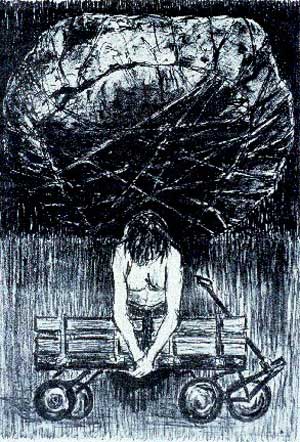

Impending Doom, Sense Of Dread Our sense of impending doom has a protective function connected to our survival genes at play which help anticipate worst outcomes so we have a better chance of survival. Over-worrying can lead to a sense of pessimism. Some of us may carry a feeling often felt in the pit of our stomach, as if something bad is going to happen which may also be linked to our painbody. Others may spook themselves - often think about the worst outcome, as if the sky is about to fall on us, that the ground will swallow us up and when things don't go as badly, so we can feel relieved. Yet this process to omnipotently believe we can control outcomes, and prevent things happening by imagining the worst, can tire us out, stress us. And some of us may have magical beliefs, that if we think and expect or prepare for the worst, we won't feel disappointed. Can we also include our desires for positive outcomes? Our overwhelming feelings and active imagination can make things real even if they are not, as we struggle to think rationally and impending doom sets in if our feelings now dominate our thoughts or our negative predictions become fact. This can affect our behaviour or ways we sabotage things (see also Repetition Compulsion). Maybe from a belief inside our wounded self, who is invested in suffering, because it may have been taught that god wants us to suffer, linked to our fear as if somehow to motivate us, we may be familiarly watchful of the next threat, attack - real or imagined, that something is always lurking around the corner (see also Catastrophising, Awfulising). Some people may use this against us and we may have become a people pleaser, fixer to try and accommodate. Holding a sense of nameless dread, some of us may go round, carrying the weight of impending doom on our shoulders, as if we are under imminent threat in some way, that something bad may happen (see also Worrying To Stop Bad Things Happening), which can go back years. (Absence of early care can impact on us now.) We may hold a background of fear, disappointment, shame or guilt (or even nihilism) that rarely leaves us with a sense of fear inside, as if frozen. We may experience panic attacks. We may have a strong perfectionist in us, as if to compensate. Some may experience impending doom, a nameless dread, just as things are going well, when we feel good, as if by becoming self-conscious we become fearful or sabotage things by killing off any moments of contentment, happiness, joy. Even when things are going well (or fearing success), it can be as if our heavy weight remains on our shoulders, as if living from learned helplessness, becoming like a victim, martyr. This can impinge on our free will, ability to imagine our desired future. Others may experience a frequent sense of fatalistic, impending doom, feeling of dread as a pattern in their life or when we experience very specific, uncomfortable feelings triggered by change, certain events, times of the week, e.g. on Sunday evenings. Holding a sense of dread heightens our anxiety. We may also have certain anxieties about our mortality, anxieties in our relationship, e.g. jealousy (see also Relationship Style, Attachment Patterns). The counselling and psychotherapy can explore these feeling further and what gives us peace of mind, envisioning things in a positive light.
Stop Worrying Worrying is distracting, draining. Reframing the difference between concern - driven more by love and worry - driven more by fear, may support us. Ruminating, worrying, obsessing creates low frequency feelings of anxiety, fear, depression. Sensitive, tired or exhausted at times, we may want to learn to stop worrying so much, turn off our worry brain, seize the reins of our mind, put things into perspective, transform our worry into action. Anxiety counselling and anxiety treatment may explore what gives us peace of mind, where we put our focus and attention, and where else we might want to put it, alongside the subliminal messages we tell ourselves (mindfulness can also support us). The counselling and psychotherapy can also explore our train of thoughts (e.g. whether our thinking is about solving problems or creating more worries), images, that negatively affect us and how we may use our imagination in creating things we don't want alongside exploring how we can imagine what we do want, best case scenarios - envisioning these. We may have allowed the size of our worries to become bigger than they need to be, having little correlation to the depth of what vexes us. Taking pauses to reflect, may support us. Thinking about the consequences of things may be important, yet also debilitating, as we worry about what others think, what we haven't done, should have done, ought to have done, etc, must do. Addressing the worry, (beyond our fears, letting it go - if it serves no purpose) giving it some positive attention, so our worry works for us, may be supportive when it moves us into action with a purpose. Accepting our worries and all who we are, obsessive thoughts (even setting aside a small portion of "worry-time" for them) without suppressing them - even learning to greet and love them, may assist us, as may being mindful of what we are experiencing, establishing healthy distractions. Others may benefit from giving ourselves a simple worry-break, our mind a constructive, positive direction, just being in the moment without worrying about the future.
Pressurising Ourselves
Putting Ourselves Under Unnecessary Pressure A little pressure can be a good thing - motivating us, stretching ourselves. We can thrive on pressure and it can help us to complete tasks. Yet too much pressure can make us anxious, feel unsafe. We all have our own ways of pressurising ourself - telling ourself we are not doing enough, an inexhaustible task list, "to do" list getting what we need, finding love, needing to be more this, that or the other. We can compound the pressure we put ourselves under by judging ourselves, feeling inadequate, having lots of "shoulds", expectations. We may struggle to take a deep breath, pause. While these dominate our life we may be caught in a strong resistance to change, because we have allowed the pressures we put upon ourselves to be greater that accepting ourselves as we are, so the part of us that wants to change or heal can be dominated by this other pressurising part. Tense inside and used to background anxiety we can put ourselves under unnecessary pressure, which can put a lot of stress on our body, contribute towards illness. Taking the pressure off what we should be doing, feeling, thinking, letting go of what we need to, so we can just be, maybe offering small acts of kindness, can give us peace of mind and deep sense of relief. Reducing any unnecessary pressure we put ourselves under, and seeing what happens may be our challenge. (See also Replacing What We've Let Go Of)

Preoccupied With Certain Worries - How Things Can Build Up Inside Excessive worrying can waste our resources and the counselling & psychotherapy can explore other ways, possibilities of responding to worry. Life can be pressurised at times and we don't necessarily have to become pressurised by having our own supportive handle on pressures. Coping & responding to the pressures of modern living can be a challenge. And the counselling can explore how we put ourself under pressure. Some of us can get into a state of anxiety from the moment we get up, till we go to bed, and even then it may be present. When we care about things we may automatically start to worry, yet to care without necessarily worrying may support us. Our anxiety can be so intense at times, as if it is going around in a loop and we can't control it. We can be on edge. "I've got to do this, that" as if there is always something racing in our head. Our mind can become restless. We may be continuously thinking so much about the things we've done, have yet to do, things that should have been done, what others did, are doing or should be doing. Our anxiety can become debilitating, as our energy drains, stopping us doing things, affecting our personal power. Stuck in our heads, thinking a lot about things may become too difficult or painful. We can also get anxious when we don't know where a danger is coming from, and this can strengthen, if we can't defuse it. It can arise at any moment, doesn't need an event to cause it. Many of us become anxious when we can't get our needs met. Little things can build up, so if we don't get a quick response from someone, we get anxious or may feel abandoned. Inside we may be lonely. Unless we are able to calm ourself & feel at ease, some of us can get so tense or excited, that it can be hard to think properly, and we can lose perspective. Over-anxious, persistently nervous, aroused and tense we can become impotent, especially in the absence of courage. Without our personal boundaries, e.g. saying "No, I'm not going to give this thought any more time", we can allow the anxiety to dominate us, as our preoccupation becomes our disposition. Some of us can become fixated, locked into, preoccupied by certain worries, ordeals. We can get something in our head, which has become the "be all & end all", as if we are trapped in this cycle. The more we try to break this cycle, the more it dominates. We can whip ourselves up into a frenzy. Our preoccupations and sources of anxiety may rise up and consume our mind. When we get over-anxious we not only put us under psychological & emotional pressure, but also physical pressure. Taking control of our worries before they control us, utilising our personal will, boundaries, responding differently, so we put us under less pressure, having a different perspective about our worries can be picked up in the stress counselling or anxiety therapy.
Patience, Impatience We all get impatient at times, especially when we feel determined about something, when our expectations aren't met or we fear failure. Some of us may become easily impatient, agitated, irritable, restless, frustrated, angry if things don't go our own way, we have to wait for anything. We may also struggle with not knowing things or fear abandonment. Agitated when we can't get something done, we may run away with ourself, yet lose our self, not being in the moment in the process. Dropping our pushing & rushing, our patience can support us to achieve things, give us time to chip away at the things that matter to us towards making them happen. Catching our impatience, making space, sitting with things, calming ourself without judging our self and finding beneficial, alternative ways to respond to our impatience may benefit us. Reflecting, observing on what else may be happening inside energetically, what else might be called for, what really matters, acceptance of our helplessness over a situation or person, how else we can possibly respond may help us. Letting go of what we need to let go of, learning to be patient, content, at ease, make space, not always being in a hurry, understanding that some things take time when they are ready (e.g. they have a reason, season) and being satisfied with ourselves, our intrinsic worth, may also support us. Our openhearted patience can help regulate any feelings of failure if things go wrong, help keep our head, not necessarily to push for immediate results at times, so we know when to wait and when to act, what we need to learn, and take the long way home.
Anxiety & Keeping Busy With Distractions, To-Do Lists

Keeping Busy - Culture Of Distraction The world is full off limitless distractions and inside of us there may be always something compelling going on in the background. Some of us may be used to continuously running from one thing from another, relentlessly giving ourselves tasks, yet lose our focus, paradoxically be procrastinating on what we really need to do so we may end up doing things the last minute, moving, pushing, breaking deadlines, immersed in (often unnecessary) activities that never seem to end, distracting ourselves from uncomfortable feelings, fleeing from them, maybe numbing them. (Certain conditions like ADD/ADHD may especially influence distraction in our life.) As if we are "addicted to busyness" or "addicted to activities", when we are on our own we may struggle to be comfortable without a lot of external stimulus. We may find silence difficult. Ill at ease, uncomfortable, bored, restless, desperate or empty inside, we may have a list of so many things to do or constantly need to fill things up to pass the time, as if we need to distract ourself from our self. Besides, our "to do" list, task list can keep us permanently distracted from ourselves. "What's next?" may be our continuous mantra. Finding it hard to switch off, hyper-aroused, we may be focusing on needing to react to a lot of external stimuli. We may also struggle to switch off our electronic devices, spending excessive time online, social networking or blogging (see also Mobile Addiction Counselling In London, Email, Text, Telephone Addiction, Nomophobia & Addicted To Games - Computer Games Addiction, Online Games Addiction, Video Game Addiction & Computer Gaming Addiction Help). Our work may temporarily keep our anxiety at bay. (And some of us may also be addicted to work and we may seek work-related stress counselling.) Yet it doesn't address our underlying issues. Our busyness can be all consuming, even paralysing at times and we may tick all the right boxes yet wonder what is the point. Forever busy we may have difficulties slowing down, relaxing. Noticing our internal dialogue, false beliefs, fear based thoughts, which create our anxiety in the first place, may support us. Replacing them with our own truth and our intrinsic sense of worth, calling upon our internal & external resources to calm our anxious self, may also be of help. The stress management & anxiety therapy can be space to consider our place in the world, how much we are in control in how & what we think, so we are more in charge, calm, not a slave to distracting our mind, so we can focus more, less caught in our incessant thoughts or all-or-nothing thinking. Creating space & quiet time, taking pauses, can support our self-awareness, ability to observe & reflect. And in this space we can explore what else we would want to do with our energy & time if getting anxious, when we're so in the grips of this. This may entail finding our own way through the forest of our anxiety, so we are less a victim to our anxiety by using our willpower to transform the negative aspects of our anxiety towards higher pursuits. This for some can open our creativity or sense of spiritual serenity in others.
I need excitement, oh, I need it bad.The Undertones
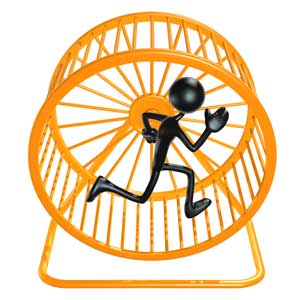

Keeping Busy - Difficulties Slowing Down & Relaxing When we get anxious, our mind whirrs & our attention span reduces. As our thoughts swirl around at high speed, we can become overwhelmed, yet feel empty inside. Our "fast forward" button may be on, as we struggle to locate and press the "pause" button. Feeding our anxiety can make matters worse, as our mind races ahead. When anxious, we may also become impatient, with a frantic edge, lose our focus or find it hard to switch off from worrying about things. As if we are a superwoman/superman, we may tirelessly want to be one step ahead, as if we wind ourself up, becoming uptight, like a coiled spring, getting into a loop, feeding our own agitation, and becoming more tense. There can always be something racing in our head. Sustaining any prolonged attention may be challenging. As a distraction, we may keep busy (overdoing things, believing we have to do it all ourselves), multitasking, juggling tasks, as our attention begins to wander. Having an active imagination, it can be hard to be still. Some of us may talk fast, scatter our words, speak or think a lot, which may also be a habit we have got into. Our mind racing, we may be so busy thinking what to say or do next that we find it hard to be present and calmly be in the moment. "How am I going to fill (or kill) my time?" may be a constant worry. We may believe we can only thrive in a hive of activity or with lots of excitement, what some people call an adrenaline junkie - "addicted to activities", "addicted to busyness", addicted to dramas. Impatient, overloaded, rushing & running, flitting from one task to another, being task-orientated, it can be as if we are running on empty, as on a treadmill, like a hamster continuously going round the wheel, always trying to do something, yet feel overloaded, overwhelmed affecting our creativity, relationship and experience in the world. We can be so task-driven, we overlook who is driving. Fuelled by our "should", "shouldn't", "ought", "must", "never", "always" beliefs, we may also keep busy by always trying to care for others, please others or be in our "fix it" mode, which can compound our stress. We may be over-committing ourselves and become overburdened and sometimes we can collapse with exhaustion. Thoughtfully choosing whether to take on extra tasks, adjusting our current responsibilities, saying "No" to some of these and asking for help when we need it, may support us. Finding it hard to reassure ourself, slow down, discern, filter things out, giving ourselves healthy boundaries, we may believe that if we drop our anxiety and & relax, we are lazy or we will lose our edge. Yet when we slow down, reduce speed, the quality of our actions, efficiency can improve. Paradoxically, more can get done. This reduces anxiety and tension and make others less uncomfortable, which may impact their willingness to help us. Putting trust in us, trusting our own space & ground, to relax again, discovering that healthy side of being selfish, may be important to us. Building & maintaining supportive habits may also help us.
For love of bustle is not industry – it is only the restlessness of a hunted mind.Seneca

Task Lists, To Do Lists Making to-do-lists, task lists can be very useful, support us getting things done, yet our to-do-list may never seem to end, as if we are living on a non-stop conveyor belt. Accepting this, prioritising what really needs to be done, acknowledging that not all things have to be done, can help us. We may also want to check is our "being" as well as our "doing" prioritised, and prioritising self-care at the top of our list, so we don't have to believe, that we'll only be OK and can relax when everything is done or in place (which may be a very long wait). Listening to what our body is instinctively telling us can be helpful.
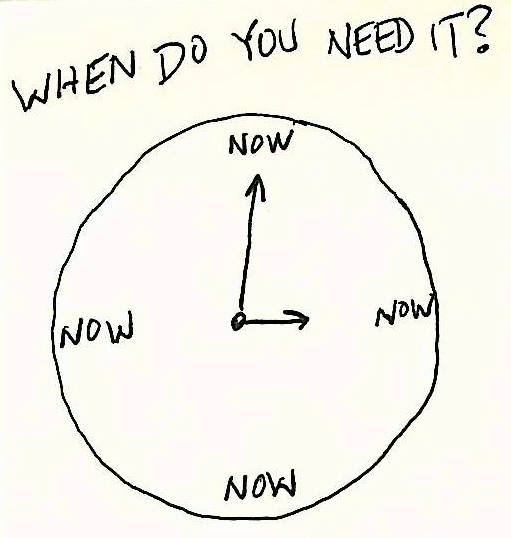
Keeping Busy - What May Be Happening Inside Sometimes our busyness can be a manic defence against certain feelings, e.g. our stress/anxiety, despair, helplessness over others or outcomes. For others, more about self-neglect, self-abandonment where inside we can feel a ball of mess. Dwelling on things, our thoughts can go round & round, and remaining stuck in our head, our minds can run away with things. Our minds are not only ignition, but also a brake, and some of us may want to learn to put the brakes on, so we don't get ahead of ourself - stuck in our heads, maybe at the cost of not being fully present, in the moment. The stress therapy or anxiety counselling may also explore how putting the brakes on may help us to manage our stream of consciousness. We may want something - anything, so it means we are not alone in any moment. On the surface we may have boundless optimism. We may end up trying to show that everything is OK, keeping things inside our head, and people around us may become frustrated. For some of us, keeping busy can be linked to seeking validation, approval, low esteem. For others, our ADHD may play a part. Overdemanding of ourself, continuously on the go, rarely stopping, we may put pressure on not only us, but also others. We may try to keep busy in order to avoid resolving certain difficulties, and the more we are in touch with any deeper uncomfortable stirrings, the busier we may become, making light of what's happening inside, pretending this is not happening. Ironically, keeping busy on the one hand, we may procrastinate on the other, not giving quality time to concentrate on things that really matter. We may need to know everything and be in control, yet a part of us may feel out of control. We may try to be a perfectionist or have a harsh taskmaster, which drives us. If we fail, we may deflate. We may be living in a way that everything is only about the immediacy of now, that our feelings are so precious, acting on any impulse we have, struggling to reflect, have perspective (see also Present, Past & Future). It can be as if we are dealing with things, and not really living, as if trying to escape from ourselves. Keeping busy for some may be a way of our mind attaching itself to anything, as a way to avoid things, using activities to avoid feelings, maybe our vulnerability, tenderness, risking letting go of something or finding out more about ourselves. Alone or lonely inside, we may be experiencing a sense of emptiness, a gap or absence in us - trying to fill it by keeping busy, seeking more and more stimulation. Addicted to busyness, we may also believe that if we take a pause, it is wasting our time - that (maybe stuck in our martyrdom, victimhood, masochism) we should be doing things. Our whole attitude and concept of time may influence how busy we make our self. We may try to avoid silence (maybe fearing what lurks in our unconscious - as if becoming aware of our self, scares us), slow down, relax, be in our own company or create a space, listening to our inner voice and see what happens, because it makes us edgy, as we try to avoid our anxiety problem. Bypassing, avoiding our feelings, blocking any stress, anxiety, often accompanied by negative thoughts, we may believe: "I have to keep busy doing something (and can't imagine not doing anything), if I stop, I will get anxious or feel guilty, so why would I". For some when our mind becomes still, we may become fearful with what could be described as existential loneliness. Our challenge may also be to let go of all that drains us in order to protect our personal power.
Keeping Busy - Making Time To Stop, Reflect Being at ease, safe enough inside, relaxing without necessarily doing anything, enjoying our own company, may be a challenge for some. Simply responding to & enjoying our own company, without always being busy, taking breaks, may be important for us, especially if we believe that if we stop to think, we will get stressed, panicked, have panic attacks. Some of us may work very hard - too hard, as a distraction from other things and we may seek work-related stress counselling. Often at the cost of our relationship, as a way of keeping busy, in demand, we may try to focus on getting things done or become indispensable, either at work (thriving on pressures, speed & deadlines) or in our relationship. Forever doing things, we may superficially feel safe from our feelings. Some of us may long for space, yet find this hard to allow into our busy lives, compounded by turning to technology as a reaction to distract us from what else really matters to us. Forever trying to be switched on (see also Social Media Addiction Counselling London & Mobile Addiction Counselling In London, Email, Text, Telephone Addiction, Nomophobia), anticipate things, we may be in a double bind - wanting to relax & let go, yet believing if we stop & do nothing, we will get anxious or come up against difficult, unwanted feelings. We may avoid the opportunity to be calm or restful, yet desire this. When not focused on something, it can give us time to think, reflect, which we may avoid, needing to move on to something new (maybe taking the long way home, tread our own path for a change). Continuously pushing ourselves, preoccupied or craving stimulation, we may struggle to tolerate the space between doing things. Constantly chasing things around, we may have become out of touch with what else enriches us or our inner direction. Discarding temporary diversions, spending time on what really matters, may be important. We may have forgotten to appreciate the things in our life, e.g. our resources, people around us. Being relaxed with who we are, finding the courage to be, sitting with our emotions, slowing down, stilling our mind, maybe taking time out to observe, reflect, daydream, learning what we need to learn, may be important to us and the anxiety counselling or stress therapy can support you in this, so we move away from not having enough time. We can also use this time to reflect upon the importance of what we are doing, its worthiness, whether it is productive, fulfils us, or is simply time consuming (see also Time Management Counselling, Time Management Therapy). Prioritising & clarifying our goals each day with our structure & strategy so we focus on our purpose may also be important. Some of us may even be surprised when we actually are relaxed and in the moment, as if we are not supposed to be. Learning to override any sense of alienation or panic may be our challenge. Finding it hard to just stop, be in touch with a few quiet moments of stillness & reflection, giving our mind space, being in our own "inner sanctuary", can initially be threatening for some, as if we are afraid of finding out more about ourself (see also Releasing Ourselves & Letting Go). Preferring our detours, we may struggle to be intimate, enjoy our own company, be in the moment, control anxiety, reflect in our own space & ground, have peace of mind, without having to keep busy or do something, create a drama, obsessively focused on the destination, overlooking embracing the journey itself, switching from automatic to manual, being present in the moment rather than being focused on the next task. Overwhelmed by feelings or thoughts, we may cut off from our Self in the process, losing our direction, focus, attention, concentration and what this means for us can be included in the stress counselling or stress therapy.
Addiction To Activities Being involved in activities because we also take care of ourself through guilt-free downtime, doing nothing, relaxation, growth, creativity, wellbeing is different from our intention to avoid difficult feelings, real human contact by scheduling things so we are so busy "doing", we become out of touch with our "being". Defending against our anxiety through always having to be busy, it can be as if we have become addicted to activities, yet may have abandoned ourself, hidden aspects of ourselves to our self or others.
What is this life if, full of care,William Henry Davies
We have no time to stand and stare.

Doing Less Highly sensitive (HSP) or overwhelmed, we may kid ourselves we can do it all, forever try do do too much, too fast. It can be easy to take on too much and we may need to give ourself some slack, so we don't end up addressing some of the symptoms of burnout. Balancing competing interests can be challenging and we can end up procrastinating. We can take on too much as if we are running inside, moving in one direction yet somewhere want to go in a different direction, which saps our energy. It can be at times as if we're running on empty. And like a runner, we may want to find our own pace, live life at our own pace. We may have become like a task-monkey (see also Wandering Mind, Monkey Mind), yet struggle to think strategically, directionally, pause for the space of a few breaths. We may want to identify what wastes our time, minimising and eliminating these, so we can make more time for what's meaningful, essential. Mired by distraction, some of us may feel guilty about doing nothing, that we must always have plans, appointments, things to do, believing we are not being productive, yet ultimately we may be seeking peace of mind. A challenge may be to do one thing well at a time connect with others, moving from doing to also being, living a balanced life, putting things into proportion. Letting go and living a softer, yet powerful life without forcing the future. We may find it hard to give ourselves "me time", to forget our worries, obligations and just be actively present, in the moment listen to, follow our intuition or reflect, daydream, relax, practising gratitude, so we live a more joyful life, which can paradoxically give us a sense of having more time. (See also Making Space For Our Self)
Don't just do something, stand there.Unknown
Supportive, Unsupportive Distractions
Distracting Habits Stress counselling or anxiety therapy can also investigate how distractions affect us. Distraction techniques and habits can be useful and helpful when we need them, whether it's talking to a friend, reading a book, watching uplifting film, listening to certain music. Some habits & thoughts we may enjoy doing, having, that enhance our life - our healthy distractions (see also Being & Doing - Dilemmas We May Hold), and we can give them importance & priority in our life, yet other distractions be detrimental to us, restricting us (see also Unwanted Habits & Addictions Counselling London). For some of us, it can be as if our brain gets stuck into a regular, automatic routine, endlessly thinking, as if we only have one road map, that it is hard to change our obsessive thoughts or behaviour, which may have become habit forming or compulsive. Opening up new avenues, changing the routines we take that unhelpfully distract us, can be like opening up new pathways to our brain, as we learn to manage any anxiety. Doing the same things over & over again as if on automatic, we may struggle to switch over to manual and taking charge of our range of gears, discover new areas of life by doing new things, re-focusing our attention on constructive, enjoyable, creative activities, developing new habits, which are supportive.
Panic Attacks, Anxiety Attacks

Anxiety Overload, Overwhelment, Leading To Panic Attacks Or Anxiety Attacks A panic attack (heightened anxiety) includes physical responses and some of our panic attacks may be linked to past traumas. These may include shallower, faster breathing, racing heartbeat, tightness in chest, maybe feeling faint. When an anxiety attack occurs or becomes prolonged, it's like an alarm goes off inside and we can go into a fight, flight, freeze mode, feel numb, be susceptible to powerful, physical reactions (maybe crying attacks), illnesses (see Physical Feelings, Somatic Reactions, Other Reactions). Paralysis in making decisions can take us over. These alarms, waves of anxiety attacks, panic attacks we experience could be seen as letting us know that we may have abandoned ourself when we are overwhelmed, overloaded and hyper-aroused. Anxiety treatment can be assisted by having some tools for lowering our anxiety levels. Struggling to control anxiety, our fears may lead to racing thoughts, heightened arousal, anxiety attacks, a sense of isolation, depression, which stop us achieving things. When we become hyper-aroused we tend to have certain personal triggers, repressed, suppressed feelings or stimulus for our panic attacks, like the prospect of change, enclosed environments, formal events, having to be visible, speak publicly or give presentations. (We may also choke under pressure and seek performance anxiety counselling, which for some may be linked to being highly sensitive and high arousal states.) Immobilised, it can be as if we or others are in a bubble and we can sometime feel stuck in a different time and space. Some of us have specific phobias, paranoiac thoughts, habits, addictions or automatic responses (see also Role Of The Unconscious) when we are anxious, like comfort eating, skin picking or pulling, plucking our hair (trichotillomania), others may become angry, rageful. Anxiety attacks, panic attacks are closely linked to how we think (which can be compounded if we have a strong, internal critic). Changing our patterns of response (what happens in our bodies, thoughts & emotions), stilling the mind, thoughts, self-calming or soothing strategies can assist, as we become bigger than the anxiety & learn to diminish, manage panic attacks, acknowledging, responding to our physical feelings, somatic reactions, other reactions. The anxiety counselling can help us find ways of tolerating our tension & anxiety, no longer spooking ourself, regulating our feelings, seeing the bigger picture, taking care of our mind (see also Reframing, Limiting Beliefs, Mindsets), feelings & body - anxiety management. This may entail giving ourself the attention, approval & acceptance we need to feel worthy - so we look after ourself in the fullest sense, acknowledging our intrinsic worth learning to relax into ourself with some peace of mind and having our own useful self-affirmations.
That's the strange thing about panic - when we lean into it, it loosens its grip on us.Daniel Siegel
Physical Feelings, Somatic Reactions, Other Reactions
Stress Symptoms, Anxiety Symptoms - Survival Mechanism What we think & feel affects our body and painbody, therefore the stress therapy and anxiety counselling may also encourage you to take into consideration what is happening physically in your body, much of which may be unconscious, e.g. we may feel fear in our belly, anxiety in our tense chest and anger in our throat. We can be in constant dialogue inside of us, a vicious & familiar circle of worry or negative thoughts, compounded by our personal triggers, hooks (or be in survivor mode), and we get anxious, which in turn produces "stress" hormones of adrenaline & cortisol (we may for example experience a sort of anxiety nausea), as we embody our anxiety, which also affects our sex drive. Insecure at times, we become tense & aroused in our body, including our arms & legs, ready for fight, flight. Our "fight-flight-freeze" mechanism (first theorised by Walter Cannon) is our survival mechanism, when we are under threat, that when aroused, carrying a biological response, including shocks to the nervous system and the body's natural way of instinctively responding (see also Relationship Style, Attachment Patterns). This "fight-flight-freeze" mechanism, ancient in us all, is connected to our evolutionary past (and indeed all animals - in what has been called our reptilian brain - our amygdala, which acts very fast, putting us in a threat mode, shutting down other functions and these threat response can frequently misfire for "just in case" possibilities, misrepresenting real or imagined potential threats supported by our obsessive or intrusive thoughts). Our responses at times may be primitive, we may have tunnel vision and we may struggle to mentalise - be aware of reflect on our own mental and emotional state. Anxiety is a normal reaction to fear (and usually other primary emotions), which is fundamental to our survival. However, most modern stressful situations don't produce a danger, requiring us to fight, run away or become frozen, yet unused chemicals in our body may instinctively keep circulating automatically - without choice (our ancestors would have frequently been exposed to many more threats and this template can live on now). When under threat our thinking becomes one-dimensional, and we may also say or do things we wouldn't ordinarily say or do. When we are in real and present danger, the fight, flight, freeze response is vitally important, yet it is not a healthy response when we are triggered yet not in danger and the threat is imagined, or "just in case". In many stressful, fearful situations, our bodies may be over-reacting in a state of emergency, as if our faulty alarm bells are misfiring, and it can be challenging to reset these by being calm, managing our own anxiety, regain our self-control. In fight-flight-freeze-fawn mode, we can experience our very core under threat, so we protect ourselves by attacking, fleeing, going cold, or being subservient.
- "Fight" reaction (often impulsive and penetrative) can manifest as our aggression or rage, when we are out of control, feel restricted or rebellious - no matter what the consequences, which can make us feel energised & powerful (experienced in our body) and indeed seductive. Alcohol & drugs can bring this out in us even more.
- "Flight" reaction means withdrawing inside, withholding, getting into compensating activities (see also Spacing Out, Tuning Out, Going Numb, Numbing Our Feelings, In A Daze, Lethargy - Closing Off, Shutting Down, Bottling Things Up, Switched Off). We may escape into work, bury into a book or sports, start an affair, reach for comfort food, alcohol, drugs, which challenges our self-control. A flight reaction can also be delaying gratification, having low moods, sinking into our depression.
- "Freeze" reaction is a way of protecting ourself, withdrawing, shutting things off, closing things down, which can paralyse us. When we freeze it can render us numb, vacant by blanking out, becoming immobilised, forgetful or confused inside and stuck in our head. Some of us may feel insecure, self-critical, stuck or lost (maybe in grief), it can be as if our personal will has been immobilised (and this can have its roots in our early bonding patterns). Disengaged, we may have experienced shock to the nervous system, trauma, grief. We can procrastinate, become paralysed or hard to reach, as if fleeing our body. As we collapse or feel defeated, our body may become weak in a state of inertia, timid or frozen (symptomised by being caught in our painbody and our body lacking vitality). We can become frozen in time. As if the handbrake is on, lacking momentum (see also Procrastination Cure? - Mobilising Our Resources To Act), we may have gone cold, frozen our feelings, needs and wants or become distant, as if watching ourself from afar, feeling disconnected, not in the moment. We may comfort eat or turn to other unhelpful habits or addictions. Defeated, exhaustion can follow leading to illnesses. We may have a sense of dread, impending doom, catastrophise things, feel guilt, shame, depression & self-doubt. Some people associate ADHD/ADD, chronic illness with this "freeze" reaction. Others may have been brought up with or learnt a "no-feel" or "no-talk" rule. Moving our body - however small, can help some unfreeze, as may reconnecting to what warms our heart.
- Fawn Reaction Another way we can respond to fear, anxiety and trauma can be fawning, where super-sensitive to others' moods we use people-pleasing behaviour (including giving others lots of attention, praise, flattery, submitting ourself) in order to get a positive reaction, avoid conflict and feel safe. This can help in a short term, yet adversely impact on us in a long term.
Stress Symptoms, Anxiety Symptoms - Affecting All Aspects Of Us Our body, mind & emotions are intrinsically linked and we may want to feel more connected with these, grounded in our body. Anxiety is not a physical disease, although it affects our body, breathing and physical health (our state of physical health and certain conditions may also affect our level of anxiety), our thinking and concentration, behaviour cycles, our sensitivities, our sexual, emotional, mental & spiritual wellbeing, alongside our socialising, work, relationships, etc. When we are in touch with our fear, or are fear driven, we become anxious, experiencing somatic reactions, which can sap our energy. Hyper-aroused, agitated or impatient, we can become like a tightly coiled spring, panicked or startled and some of us can experience panic attacks (also known as anxiety attacks), which can be frightening (see also Panic Attacks, Anxiety Attacks). Creating space, so the anxiety is not so close to us, so we are not defended when we don't need to be, calming ourselves, freeing up our energy for better things, no longer abandoning ourselves, can support us. Trusting & sitting with this space, in touch with our breathing, focusing our attention away from our emotional stress, being able to reflect may be important for us (see also Befriending, Managing, Transforming Anxiety). The stress counselling & anxiety therapy may therefore pay attention to how you breathe, exercise - using our excess adrenaline, other ways you can relax yourself and how you feel, respect, sense what's happening in your body, and interconnectedness between your body, feelings, mind. We may also need to pay attention to our lifestyle, diet. The counselling for stress related illness can also explore how our stress, fear, anxiety may manifest in our body, our physiology with associated:
Physical reactions
- Nervous system on alarm
- Increased heartbeat, palpitations
- Breathing - restricted, shallow breathing, shortness of breath, hyperventilation, tightness in the chest
- Tension - e.g. in our head & headaches, neck, chest or abdomen, muscles, tightness or knots in the pit of our stomach, teeth clenching, teeth grinding, increased pain (see also Pressurising Ourselves)
- Excessive thirst
- Digestion - poor digestion, stomach-aches or nausea (e.g. upset stomach, stomach churning, stomach in knots, worried sick)
- Passing wind, loose bowel movements, frequent urination
- Perspiration, sweating increases
- Skin - feelings close to our skin, itching, excessive sweating, maybe a tingling sensation (as if an electric current passes through us), coming out in skin rashes
- Sleeping problems
- Sapping of energy, tiredness, fatigue, muscle pain, physical restlessness
- Physical uneasiness - pins & needles - shaking, trembling, tremors
- Light-headedness - dizziness, numbness, blanking out, spinning out of things
- Painful or no periods, lack of response to sexual stimulation
- Our immune system changes
Cognitive reactions
- Preoccupation
- Racing thoughts
- Thinking more obsessively, obsessiveness about one topic
- Decreased concentration, easily distracted
- Difficulty in making decisions
- Loss of fun, pleasure
- Loss of creativity
Emotional Reactions
- Irritability, impatience
- Increased worry, rumination, anxiety, sense of impending doom
- Heightened emotions, e.g. distress, fear, anger
- Feeling on edge
- Low moods, depression
- Boredom or withdrawal
Our Behaviour
- Finger, toe, leg tapping
- Biting our nails
- Becoming more critical, judgemental of others & of ourselves
- Procrastination
- Withdrawing socially
- Compulsive eating
- Turning towards unhelpful habits, addictions
Befriending, Managing, Transforming Anxiety
Anxiety's like a rocking chair. It gives you something to do, but it doesn't get you very far.Jodi Picoult
Managing Our Anxiety, Reducing Our Anxiety An anxiety cure, fool proof way of anxiety control may be too much to ask for. It is impossible to entirely overcome anxiety, but the anxiety counselling and stress management counselling offers ways to both explore what we allow to evoke our anxiety in the first place (see also Our Triggers), befriend, transform and manage our stress by exploring how we can:
- Pause, find our breath & recharge
- Ensure our nervous system is protected from overload
- Feel safe in our body, centred, finding a safe place inside to rest our restlessness
- Explore the difference between external safety and internal safety, security
- Befriend & treasure our anxieties, welcoming them, rather than repressing / suppressing them
- Explore and get to know our limits & possibilities, stop feeding our stress, anxiety, not get so caught into anxiety loops, get our stress into perspective, being curious about what it's communicating to us, what it might mean
- View anxiety as a message for us to make sense of things towards part of the solution in directing our energy towards what needs transforming
- Empower ourself
- Seek truth
- Face facts
- Accept "what is" in life
- Remember to utilise our skills, resources, wisdom
- Find the meanings, purpose & direction of our anxiety
- Resolve our stress, anxiety, utilising our boundaries, building upon our resilience, including relaxation techniques which personally work for us
- Be in our own inner authority, face our past, utilising its learning into our present and future through facing the dark, finding our existential courage of our values with passion and self-compassion - taking care of the energy of anxiety
- Become less affected by our internal dialogue
- Be patient
- Be in the moment
- Utilise healthy distractions
- Discover ways we no longer abandon ourselves
- Have compassion for us & others
- Be assertive
- Live fully
- Rise above our anxieties, overthinking, let go of things out of our hands, put our worries down, drop the stress, feel the weight lift off our shoulders as we lighten-up & utilise the vitality of our energy (maybe daring to not take things so seriously, be light-hearted, playful, utilise our sense of humour, laugh at ourself)
- Learn to live with our anxieties, accept them, yet strengthen ourself, so we thrive in life
Stress Counselling & Anxiety Therapy can help initially by exploring ways to bring our arousal levels down, choose courage over despair, self-acceptance over self-judgement, gain peace of mind and be more present in the moment. How we respond and manage our anxiety is unique to us. We may be seeking anxiety help, anxiety relief, stress help, stress relief in different ways (some of which may be connected to very early experiences and these may go way back for some, e.g. because we can't satisfy one of our parents). We can't rid ourselves of anxiety but can learn to anxious and relax at the same time. Coping with stress, coping with anxiety may be important for some (stress treatment, anxiety treatment - whatever these mean for you), especially when our anxiety is letting us know we are off track with our thinking. We may just want to deal with stress or deal with anxiety a little better (stress management, anxiety management). What lies behind our stress, fear or anxiety may also hide other conditions (e.g. dyslexia, dyspraxia, ADHD, autism). Some of our stress, anxiety may be unconscious or difficult to recognise, including our rage, anger, which can also be explored in stress counselling & anxiety therapy, so our nervous system is not on a constant state of alert (see also Feelings Below The Surface - Primary Feelings & Secondary Feelings). The therapy may also explore how we create anxiety, what our anxiety may also be saying, meaning for us what's ingrained and in our control and what isn't, how being anxious may stop us doing things, acting in the world, and how else we can respond, transform stress to excitement, calmness, find peace, yet aliveness, take care of ourselves, utilising our alter egos, subpersonalities. Some may also benefit from stepping back from the need to control and listening to the underlying message what our anxiety is telling us - that we are off base, that we need to be present in the moment and take loving action. Valuing the experience of meditation, switching from anxiety to gratitude, joy, excitement, others - sharing empathy, being in touch with their playfulness, laughter, sense of humour can also support us. Others may value literally shaking off the anxiety that resides in their body. For people experiencing OCD - compulsive, repetitive behaviour in response to our obsessions, specialist OCD psychotherapy may be appropriate.
Social Anxiety Or Social Phobia
Socially Anxious We may want to feel more comfortable in the presence of other people, relaxed. Sometimes in the company of even, supportive others, we can feel on the sidelines or it can be as if our social battery runs out (especially for those of us, who tend to be more introverted) and we need some recharge time, maybe to be on our own. Hand on heart, we've all felt on the fringe at times or struggled to foster friendships and most of us have been socially anxious or super nervous at some points in our life. And when it becomes intense, the medical, sometimes psychological, term for this is Social Anxiety Disorder (SAD). Therefore some people use the search term "Social Anxiety Disorder Counselling", or "SAD Counselling". Yet within the label "social anxiety disorder counselling" is the term "disorder", which is most unhelpful, as if there is something "wrong" with us. The social anxiety counselling does not view we are wrong or disordered in some way.

Being With Others, Social Anxiety & What Might Be Happening Inside We all need to belong, yet if we are socially nervous, we can have fear of interacting with others in certain social situations, rendering us extremely anxious and this can turn to panic (often especially with authority figures). Our fear is usually about being rejected or judged by others. Social nervousness, social anxiety disorder, social phobia is more than shyness, it is when we persistently carry an overwhelming fear of social situations (maybe talking on the phone, attending a meeting, speaking in public, talking to new clients, going to social events). People may misunderstand us, labelling us as aloof, unfriendly, maybe lazy. We may obsessively worry and all this can be exhausting. Disidentifying from what gets in the way may help us (including unhelpful beliefs, e.g. "We aren't good enough"). Feeling like an outsider, different, there can be a tendency to isolate ourselves, rather than risk what we fear. In the company of new people we may feel lost, as if we are driving with the handbrake on, don't know how to let go, maybe embarrassed or frozen on the spot. (We may start sweating, shaking, stammering.) In social situations we may shut down, internalise our feelings. We may feel socially awkward, hesitant, uncomfortable or struggle to relax. We may go quiet, silent, struggling to assert ourselves, say what we want. Social stress or general inhibition may be a concern for some if we fear being judged by others, especially if compounded by any negative, judgemental, critical messages we tell ourself. Lack of expression when in feared situation can relate to selective mutism (which is an unfortunate term because it is often not a conscious choice), where we are held back by anxiety and fear, maybe embarrassment, inhibiting us to speak in social situations (this can date back to childhood, yet carries on now, compounded by avoiding eye contact, fidgeting). Familiar beliefs tend to be speculations, like what if:
- I am not good enough, an impostor, fraud
- Everyone's eyes are on me
- People see how nervous I am
- I may be ignored, disliked
- I'm not interesting enough
- I make a fool of myself or say something stupid
- People think I'm weird or inferior
- No one wants to speak to me
- What if I say something stupid
- I won't be interesting
- I don't look right
- I am not competent
- They criticise, judge or reject me
- I become humiliated, ashamed
- They know I'm embarrassed or see me blush
Challenges One possible challenge, related to social nervousness, is dyslexia, dyspraxia or experiencing Autism or Aspergers Syndrome. Some of us may tend towards introvertness rather than extrovertness, or simply be highly sensitive (HSP). We may want to be more socially confident, freer to say hello and interact with others, seeing where this takes us. Finding our voice (and singing) may be challenging. A further challenge for some may be to transform avoidance of others (see also Insecure Attachment - Avoidant Style Of Attachment/Relating (Becomes Dismissing Style Of Relating As An Adult)) to risking sharing with others our interest, attention, care or happiness, addressing the balance between giving & receiving feedback, getting what we want from others & what we want to give. Extending our welcome to others (without wanting them to make us feel safe), creating our own sense of safety may be important. Relaxing into things, enjoying banter, even a degree of small talk (maybe even with some light-heartedness, playfulness, carefreeness, laughter, fun, pleasure and our sense of humour), loosening up, not being too careful about what we say (without second guessing what others think) may help some of us, as may finding our own tribe or moving around the group to find others we connect with. Anxiety treatment & anxiety therapy therefore also takes into consideration how we are socially and what unhelpful beliefs, worries we hold on to, so we no longer abandon ourself, are authentic and speak our truth, even if it means losing others.
Increasing Our Social Anxiety Or Social Phobia Believing that others notice our insecurity and losing our objectivity we may seek for signs to prove our worst fears - dismissing any positive signs. Most of have felt self-conscious in unfamiliar social settings (compounded by if we fear being judged by others). And this can lead to embarrassment, shame - usually linked to our past wounds. We may struggle socially at times with simply how to be, where to place ourselves (see also Re-Connecting To Who We Are, Being Grounded & Secure, Inhabiting Our Body, Standing Up For Ourself). Worrying about the consequences of saying something "wrong", being over-dependent on what others think, increases our social phobia or social anxiety. We usually abandon ourself by giving others power over us, seeking their approval, acceptance, attention & sense of safety as if we can only get these from others. When we get socially anxious (maybe believing people are intensely looking at us, judging us, where often it may be us judging ourselves) we can put pressure on ourselves to do (and be seen to be doing) everything right, so that we are liked & accepted, and don't feel worthless. This pressure makes us anxious and unsafe, maybe nauseous. Therefore our life, and sense of self, may become determined by others liking or rejecting us - so if we are liked we are OK, but if we are not, we label ourselves as worthless, believing we are not good enough. Overthinking, some of us can do our utmost to control how others think about us, trying to do everything right. We can unhelpfully inject negativity into rehearsing events before they are going to happen and replaying events afterwards. This cycle causes more social anxiety disorder or phobia. Fearing the unknown, we may want to, yet fear, making connections with others and even if we do, to have an exit strategy when we need to.
Being Sociable, Socially Confident The counselling for social confidence, social anxiety may explore ways we want to relate more naturally with others, effectively convey our real selves, who we are, how we can be courageous, at ease, a good conversationalist and listener and bear in mind that our anxiety may close off the realisation that we are all more approachable than we appear. Getting past our self-consciousness, unhelpful beliefs (which we can turn into truths) worries that we may bore others, come across as dull, tactless, clumsy, say the wrong thing, look awkward may be our first step as we embrace our strong vulnerability with confidence and this is often our sensitivities, that help us deeply connect with others. Forging genuine connections with others is rarely built on just being cheerful, but more about having the capacity to make ourself vulnerable with other human beings, building meaningful connections that we are willing to exchange, that nevertheless may open us up to judgement, humiliation. This can build and enhance friendships, when we share in frank and uncensored ways about the confusion, maybe suffering, of simply being alive.
Developing Friendships, Making Friends Whatever our ideal is of a good friend (someone who is there for us when we need then, listens to us, wants to spend time with us, have fun), do we offer the same, be there for supportive others in friendships. We may speculate what it would be like to have friends and the therapy can explore what this would be like for us and how open we are at being contacted, making contact. If we make others responsible for our emptiness, feelings of worth and safety, people will feel pulled upon to fill us up and pull away.They will feel safe opening up with us when we are caring and giving to ourself and others. (See also Fostering Friendships)
Counselling For Social Anxiety, Counselling For Social Nervousness When we experience social anxiety it erodes our self-esteem, resilience and the therapy explores how we can address any unhelpful narratives, scripts (e.g. "I won't fit in"), foster friendships, best thrive in the company of others, express ourselves more fully. The therapy may therefore look at our own internal dialogue, any redundant narcissistic scripts, underlying negative beliefs, how we procrastinate on saying things, the ways we communicate, what is our intention and initial contact style when we meet other people. (Men & women tend to have different communication styles.) Noticing how people actually respond (including negative and positive attitudes) can help break old unhelpful patterns. What energy do we bring to social situations? Do we greet & welcome people or wait for others to do it for us? Is our intent to give or receive? Do we isolate ourselves or choose to get involved, be part of something (and some of this may date way back to early bonding patterns)? We may also want to explore what happens when we step out of our comfort zone, yet relax into ourself - develop rapport, allowing ourselves to interact with others until we become more comfortable with this, which over time reduces our anxiety. The counselling may also look at any ways we remain stuck in unhelpful cycles & other possible alternatives, how we define our own worth and self-love, instead of making others responsible for our own sense of worth. We may feel like an outsider, invisible at times with others. These "others" may tend to be figures of authority or those who we (sometimes desperately) want to accept us. Social phobia or social anxiety management counselling can also discuss ways in which we no longer abandon ourselves accept and take responsibility for our own feelings, inner loneliness, instead of making others responsible, so we are self-empowered. Anxiety management therapy therefore supports us in being our own authority, valuing our essence, so we can give ourself full permission to be ourself, even if we are very different than the others around us, so we don't abandon ourself and still feel internally safe. We may be projecting onto others that they are watching us, judging us, and ironically they may be more accepting of ourself than we are. It may be important to not judge ourself (e.g. we are inadequate) when we have nothing to say or have little to add to the conversation - giving ourself permission to be quiet. And of judging ourself, be self-critical, there may be aspect of us we don't like, deny or disown, that we consider unacceptable (often our shadow side) that we don't like seeing in ourself, yet showing this side of us to the world, fearing others will judge us, yet paradoxically it may be us who is judging this. And once we accept ourselves - all parts of us, this can shift our socially anxious behaviour. Stepping over our nervousness, embracing courage, can shift things. Valuing our intrinsic inner qualities, offering these to others, rather than needing to get their validation, approval, affirmation, reassurance, confirmation, permission, recognition, appreciation, praise, attention, adoration, admiration, adulation, acceptance, trust can support us, as may having an intent to listen rather than be heard. Authentic connection may be something we value (and if small talk doesn't expand into something else, we can always disengage). Especially if we are sensitive, we need to listen to our inner feelings and give permission to leave early if the energy at an event doesn't resonate with us or even not attend in the first place if we put ourself in group situations where there is no way to connect with others. If we have concerns about social anxiety, social intuition, emotional self-awareness, the stress therapy or anxiety counselling can explore these, alongside our capacity to stand on our own two feet, be grounded, secure in our own body, connect with ourself and with others, have empathy and rapport (see also The Connections We Need & Make) and utilise affirmations that work for us. Stress counselling & anxiety therapy also explores how we are with others (see also Relating With Others, Friendships - Building, Strengthening & Deepening Relationships) and being comfortable & connected with our self (not only our fears, anxieties), so we can be visible, engage with others in relaxed ways, live our lives to our full potential. The social anxiety counselling can also explore developing our social self, being visible, alongside utilising small talk, building relationships by creating threads within our responses and maybe being the first to initiate beginnings, reaching out. We may also want to stretch our comfort zone (e.g. by counter-intuitively exchanging greetings, saying hello to at least 10 people per day as a curious experiment to ourself).
Fear
None but a coward dares to boast that he has never known fear.Ferdinand Foch
What Is Fear - Fear Definition Fear is universal, affecting us all, whatever our age, gender, race, culture, religion, wealth, status. Fear has an important purpose. It acts as a reminder, protecting us when we need to. It keeps us from taking unnecessary risks. It can slow us down, so we can stop, think, avoid danger & keep us safe. Our fear is our alarm system, helps save us from threatening situations - it has the function of focusing & energising us. This is what we may be used to doing and have yet to find other responses to our fear, so we don't unnecessarily alarm ourselves. Fear activates our fight, flight, freeze mechanism, so we respond to danger. The more terrified with fear we are, the stronger the fight, flight, freeze reaction. Fear is our natural emotional response to any immediate or future danger (real or imagined) that may threaten us. Trauma for example arouses fear when the threat tends to be of an external nature. Acting in a fear-driven way may also be entirely appropriate - supporting our survival. Our fear can be our driver to do things (and not do things), especially at the last minute (including turning our fear around, so we become creative with it). Fear can nudge us towards courage, be a source of motivation, determination. (Some may utilise our fear as the only way we know to drive us.) We may believe that without our fear driving us, we will do nothing, so we use fear to fuel us. Yet, if we have compassion for ourselves, rather than doing nothing, the quality of our productivity, creativity, interactions usually increases. Our fear can also be seen as a sign that something in us needs attention, and the anxiety counselling & stress therapy can explore this, so overcoming fears become possible, when they don't mix into the healthier ingredients of our life.
There is nothing to fear but fear itselfFranklin D. Roosevelt


Fear - What May Be Happening Inside As if living with a handbrake on, we may want to live a full life - a less fearful one, without feeling like a victim. Fearing fear we at times may unhelpfully have allowed our fear system to dominate, control our life, drive our worries, rumination. When fear takes us over, its effects can stop us from living all of who we are, making decisions, taking action, and we may end up procrastinating. Sometimes our fear can override other things, overwhelm us, paralyse us. We can allow the force of our fear to be like a magnet - feeding our fear by attracting it through our thoughts, beliefs & actions. When we have a fear attack, it can render us isolated & lonely, fearing ourself and others. Being in the shadow of our fear can stop us in our tracks, our thoughts can tumble, forever worrying what's the next threat: "What if this... ?", "What if that... ?", and we can become immobilised, disorganised, as our curiosity dilutes. Frightened, we can sometimes allow this shadow to bully us, so we don't fully live, always choosing the predictable. In this dark & scary place it can seem as there is no light (see also Inconsolable, Dark Night Of The Soul). We may get moody, depressed at times. Continuously fearing outcomes, and what might happen, go wrong, can be exhausting. Struggling to have peace of mind, we may have a sense of impending doom. We may exaggerate our fears and be irrational with them, making our irrational fears real in our head, finding a way to believe that these are rational fears. The more we focus on our fear, fixating on things, the more we may consciously or unconsciously make it real. This can stop us acting, achieving things, taking risks. We may end up doing things based on what should be important, struggling to choose, follow, what is important from a less fearful place. Fear begets fear and the quality of fear tends to be defensive, protective, where our heart may be closed, as if this is the flip side of love. Our hope may be elusive, as we struggle to rise above our fear and some of us may turn to unhelpful habits or addictions temporarily soothe us.
A choice, right now, between fear and love. The eyes of fear want you to put bigger locks on your doors,Bill Hicks
buy guns, close yourselves off. The eyes of love, instead, see all of us as one.

Origins Of Fear - Where It May Come From In Us We are born with a scared part of us, a fear-based small self (see also Our Painbody). We all experience fear or a sense of lostness at times, some of which may be unexplained and go way back in time (see also Our First Relationship - Early Connections & Bonding Patterns). The fear we experience now may have echoes from our past, and can be explored in the therapy, counselling. Therefore, some of us can be fearful, scared or traumatised about a current situation, which is triggered by events in our past. Often linked to our past, some of us may fear criticism so much, that we lose a lot of confidence, fear we are not good enough. Linked to our old wounds, grieving old trauma may help us release old fears. Often triggered by doubt, our fear may lurk cautiously in the background or be very dominant in our thoughts & actions and we don't have to act on our thoughts. If our self esteem is low, our fear system can get aroused. We can scare ourself as our ball of fear gains momentum. We can withdraw, disconnect not only from others, but from us. Experiencing fear can be responded to as an opportunity to choose to take care of it (see also No Longer Abandoning Us), transform it. Finding our way through our fear and frameworks for understanding the nature of fear, loneliness & withdrawal may be offered.

We may respond to our fears (or nihilistic beliefs) as facts or reality & our thoughts can become fear-based (including The "Should", "Shouldn't", "Ought", "Must", "Never", "Always" Beliefs) because of the stories we tell ourselves, which produce fearful images in our head - spooking ourself, as if we are a rabbit caught in the headlights (see also "Freeze" reaction). Others may take flight or fight (maybe through anger). And our unconscious fears may also play a huge role (see also Our Painbody). Our fear may manifest through our dominant or submissive behaviour, pleasing & fixing things, our anger or our procrastination. Some of us may be so attached to control, being right or winning, that they make this more important than choosing love over fear & suffering. Our fear can prohibit openness, curiosity, exploration, learning, flourishing, growth, openness to our light-heartedness, playfulness, carefreeness, laughter, fun and our sense of humour. Stress counselling and anxiety therapy acknowledges not only the issue that the fear is related to, but also its triggers, source & any unhelpful beliefs that continue to support our fears.
Scared is what you're feeling. Brave is what you're doing.Emma Donoghue
Specific Fears Alongside certain fears in our relationship, we can produce fearful thoughts around anything, be frightened, wrecked by fear, scared of:
- Living
- Growing older, ageing, death, dying
- Being out of control
- Uncertainty, the unknown
- Loneliness
- Silences (see also Keeping Busy - What May Be Happening Inside)
- Our own company
- What we may find out about ourself
- Being wrong, failure, making mistakes, getting things wrong, criticism
- Success
- Others not liking us & become dependent on them for validation, approval, affirmation, reassurance, recognition, appreciation, praise, permission, confirmation, attention
- Being found out (FOBFO), that people will see through us, impostor syndrome
- Missing out (FOMO), switching off (FOSO)
- Impending doom
- Sabotaging ourself
- Power in others, yet deny our own power
- Social situations
- Making decisions
- Change
- Conflict, confrontation
- Anger
- Being judged, criticised - that ironically we may be the worst critic
- Be humiliated, shamed
- Being exposed (which may often be linked to our shame)
- Fear of rejection, abandonment
- Not wanting to let others down - fear of disappointing, hurting, upsetting or annoying them
- Being vulnerable
- Sex
- Our own power
- Taking responsibility
- Love
- Living to our full potential
I learnt that courage was not the absence of fear, but the triumph over it.Nelson Mandela
Avoiding Fear & What May Lay Underneath It When our own fear no longer grips us or saps our energy (see also Beliefs From Our Wounded Past, Fearful Place), we are more refreshed, freer to trust who we are. With the best will in the world we can't always avoid fear (and our fear based thoughts felt in our body), and the more we try to avoid fear, face our fear of feeling, the more it may mull away inside, residing somewhere in our body. When we acknowledge our fear, staying with it, we may also find out what other insecurities, self judgements and feelings lay behind it. Underneath our ball of fear (which may go back in our history) may live layers of other feelings, e.g. our sadness, anxiety. We may turn our fear-based thoughts to fear-based "truths" without checking whether these thoughts are based on fear or faith. Counselling & psychotherapy can help support us finding our own way through our fear, drop our fears - shrinking & transforming them, differentiating between the facts, truth & imagined fears, so we can handle our pain, open our heart, listen to our inner voice. Also we may unconsciously take on other people's fears. Discerning this and letting it go may be important.
We must travel in the direction of our fear.John Berryman
Catastrophising, Awfulising Reducing our exposure to mainstream media, social media, may help. Some of us may omnipotently believe we can control outcomes yet inside fear disappointment, some of us believe that if we continuously imagine, expect the worst things happening, preparing for worst case scenarios (see also Mind Reading - Jumping To Conclusions, Fortune Telling, Believing Our Beliefs), we can prevent disappointment or them happing and feel relieved when they don't, yet this means we unnecessarily turn on our stress response and scare ourselves, which may be linked to our painbody. Our behaviour may also be linked to what's happening inside (maybe from a belief inside our wounded self, who is invested in suffering, because it may have been taught that god wants us to suffer) - see also Confirming Our Expectations. "Catastrophising" or "awfulising" can be an aspect of our survival genes at play - the purpose of which is connected to anticipating worst outcomes so we have a good chance of survival. And if early care in our life was absent, this impact on us now. Yet, holding a sense of learned helplessness, pessimism (or even nihilism), spooking ourself, turning negative predictions into facts, being fatalistic about change, can be our habit (see also Repetition Compulsion) as if somehow to drive us - imagining that if we don't do X, Y will happen (see also Magical Beliefs) when more fear becomes created and some may become martyr-like or have a freeze reaction. Rather than worrying to stop bad things happening, the counselling may explore how else we can envision things. (See also Impending Doom, Sense Of Dread)
That which does not kill us makes us stronger.Friedrich Nietzsche
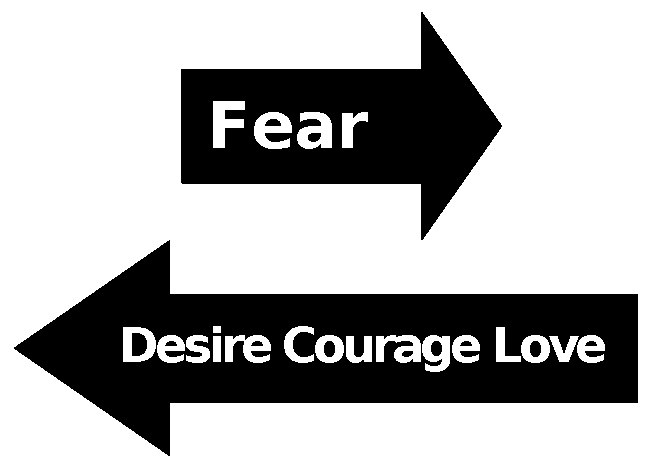
Counselling For Fear, Psychotherapy For Fear Fear can keep us stuck where we are (see also Physical Feelings, Somatic Reactions, Other Reactions), remain small. We may be seeking help for our fear and the counselling & psychotherapy can offer support in overcoming fears, putting them in perspective. There may also be a mismatch between what is actually happening and what we tell ourself (we may also take our fears into our relationship, marriage). Witnessing our fear - observing it, as opposed to being our fear may help loosen its hold on us may give us perspective. (We may also notice that many of our fears don't materialise, and if they do, they are often not as bad as we feared.) Noticing our conditioned pattern of escaping from difficulties may help some. It is through our thoughts and body that fear manifests, and getting familiar with how this personally shows up in us can help us towards dismantling fears' hold on us. From our fear, we may draw unhelpful conclusions based on our fears compounded by any additional catastrophising we do (see also Impending Doom, Sense Of Dread). The therapy may explore our thinking patterns, beliefs, what we want to tell ourselves, what transforms our fear. The stress therapy may include looking at concrete ways of learning how to stop scaring ourself, so the very thing we want or desire can be less scary & open up for us. Where we place our intent can support our courage or our fear so we may want to courageously find our way into our fear & through the other side, which can seem counter-intuitive. Diminishing our fear, transforming it, may be important for us and acting counter-intuitively against our fear, going towards it through graduated exposure may support us. We can explore, utilise, our alter egos, subpersonalities. We can't eradicate all fear, be fearless at times, yet we can be bigger than our fear - shrinking it so we no longer contract, evoke our courage to take action in spite of our fear and choose love over fear in our regular thoughts and actions, so our fear can be dismantled and no longer drives us. The therapy may also explore any unhelpful ways we choose to reinforce our fear by overly focusing on avoiding pain, disapproval, failure, conflict, and engulfment. The counselling may also explore ways we can trusting life, choose to focus on pleasure, security, feeling at ease, self-approval and action - what we need to do in spite of our fear, choosing our desires over living from fears. Being in touch with our curiosity and willingness to learn, following our intuition, may support us moving away from our fear, choosing our heart. Not always taking things seriously, lightening & loosening up, having fun, finding humour in things, dropping our fears, may also support us, alongside the strategies to stand up to our fear and tap in to our own clarity, so we explore reasons behind our fear - whether it is valid and being resilient, considering alternative options to fear. (See also Relationship Help, Marriage Help - What Scares Us, Dropping Any Fears)
It is only by following your deepest instinct that you can lead a rich life, and if you let your fear of consequenceKatherine Butler Hathaway
prevent you from following your deepest instinct, then your life will be safe, expedient & thin.
Specific Questions About Counselling For Stress Management, Anxiety Therapy, Panic Attacks You may have certain questions about overcoming stress, overcoming fear, overcoming anxiety, overcoming social anxiety, e.g.:
- What is counselling for stress?
- What is stress? What is fear? What is anxiety? What is a panic attack or anxiety attack?
- I am having a panic attack - what should I do?
- What are the anxiety symptoms, stress symptoms?
- What are signs of stress & what brings about stress relief?
- Is stress management counselling effective?
- Is anxiety management treatment effective?
- How to overcome stress, how to overcome fear, how to overcome anxiety?
- Is overcoming stress, overcoming fear, overcoming anxiety possible?
- How to overcome social anxiety disorder (SAD) and is overcoming social anxiety possible?
- What is a treatment for anxiety and how can I find effective anxiety help?
- Is overcoming social anxiety disorder possible?
- How can I cope with stress, reduce stress?
- Is SAD counselling the same as social anxiety disorder counselling?
- What are the panic attacks symptoms?
- Is stress treatment, stress control effective?
- Can anxiety treatment counselling work?
- How to control stress?
- What are the ways to reduce stress?
- What is fear and how can I control my fear?
- How do I stop worrying?
- Is overcoming fear possible?
- Anxiety counselling - what is counselling for anxiety?
FAQs about the anxiety & stress Counselling London practice based in Kings Cross, Camden:
- What is the frequency of anxiety & stress counselling in London, Kings Cross?
- How many stress counselling in London sessions do I need?
- How much does anxiety & stress counselling London cost?
- Must I visit your London counselling practice in Camden or do you offer Skype counselling, online counselling or Telephone counselling?
- What are the advantages and disadvantages of offering online counselling, Skype counselling or in-person counselling in London, Camden, Kings Cross
- Do you only offer stress counselling in London, Camden or Kings Cross?
- What times do you offer stress counselling in London, Kings Cross or Camden?
- How do I contact a counsellor in London, Camden, or near Kings Cross?
- How effective is stress counselling in London, Kings Cross, Camden?
- What can I expect from the initial session of counselling London?
- What to expect from the other stress counselling London sessions?
- What is the typical duration of the London counselling services in Camden, Kings Cross

