


Counselling & Psychotherapy - Process Of Therapy London
In This Section:
- What Counselling Provides
- Counselling & Psychotherapy As A Container & Secure Base
- The Therapeutic Relationship - How You & I Relate
- Science Or Art?
- Finding Out About Ourself
- Finding Out About Our Needs & Addressing Them
- Our Past, Present, Future
- Relationships With Others, The Wider World & Indeed Ourselves
- The Connections We Need & Make
- Anchors In Our Life
- Awareness
- Universality
- Healing What We Need To Heal
- Our Heart
- How We See The World
- Truth
- Trust
- Us & Time
- Overwhelment
- Life Balance
- Wellbeing
- Respect
- Finding Our Way Through Difficulties & Old Beliefs
- Patterns In Our Life
- What We Do With Certain Things
- Phases, Stages, Transitions, Transformation In Our Life
- Developing Fundamental Life Skills
- Tool Kit
- Life Re-Appraisal - Our Internal Resources
- Direction In Life
- Counselling For Motivation & Will Power
- Burdens We Hold On To
- Grieving, Mourning Our Losses
- Releasing Ourselves & Letting Go
- Inner Authority, Own Authority
- Personal Freedom, Individual Freedom
- Our Free Will, Free Spirit
- Meanings, Meaningfulness, Meaninglessness
- Energies
- Role Of The Unconscious - "The Yet To Be Revealed"
What Counselling Provides

The process of counselling provides a confidential space for us to talk about what's going on for us at the moment, what's happening inside, any struggles or challenges, overwhelment, unresolved issues, setbacks, wounds, or a part of us, we hold back. Counselling explores our desired changes, options, choices, aspirations, any conflict with ourself, what we long for, any existential concerns or being at a turning point. Counselling is a relational therapy offering different perspectives, feedback or guidance, opportunities to develop a greater understanding of who we are and make sense of our life, heal what we need to heal, so we can navigate our way through life. The process of counselling looks in depth not only at the symptoms, but also the layers underneath, our core issues, the causes, and what these might mean for us. The counselling considers, and helps crystallise, our thoughts and feelings, what matters to us, the known and unknown aspects of ourselves. Counselling can be a sounding board to be heard, listened to, say things which are difficult to say (or don't say), discover a part of us, which we just don't get, make connections, evolve. Alongside the current issues we bring (see also Therapy Approach - Working With You, Viewing Issues Also As Symptoms With A Backstory & Story Going Forward), the counselling may look at what we really want and what stops us getting there so far and can be experienced as a journey of self discovery. (See also Aims & Benefits Of Counselling & Psychotherapy London)
Getting To Know Ourself The counselling explores not only what's going on in our life - what we are doing, but also our very being. We all have our own "internal working model" - backstory and the therapy provides the opportunity for us to know ourself better, explore how we see the world, the facets of our personality, our full range of emotions, feelings. (See also Counselling Approach - Finding Out About You)
Making Time For You If only we could solve our problems with an easy and quick formula. Often in society there is little time dedicated to understanding all of who we are - our own individuality, beyond labels or shallow identities. We can give priority to what we do, yet overlook our internal world - who we are, where we are from and our future direction. Balancing the demands of career, family and relationships can be a challenge. We can be so busy that we find it hard to be still and reflect about our situation, who we are and what matters for us, or find a safe enough place to off-load.
Counselling & Psychotherapy As A Container & Secure Base

Counselling - A Containing Space Counselling and psychotherapy can be like "a container", or harbour - a safe enough holding space to reflect, allowing things, including our painful thoughts and feelings to unfold. Our emotions may be hard to contain, where we struggle to tolerate our uncomfortable feelings, frustration, tension, anxiety or have certain existential dilemmas. We may also have creative or spiritual dilemmas. Sometimes sitting with strong or uncomfortable feelings, however painful - allowing for what else may be consciously (or unconsciously) emerging - can be more effective than rushing towards a temporary quick fix (see also Taking The Long Way Home). Experiencing our feelings to their fullest can paradoxically dissolve them. Something else can then happen, as if our awareness, concept of time, or consciousness changes. What we might have believed to be intolerable, we may manage to bear. The relational therapy is also a space to get to know, accept ourself through exploration. As we think about our thinking, fresh insight may emerge - see also Mindfulness & Mentalising. (And the containment of the therapy space can allow us to re-own integrate, accept previous unwanted feelings at our own pace.) The counselling and psychotherapy offers a secure frame by way of holding certain boundaries, agreements, and this secure base can sometimes be experienced as a containing space and time different to any other (like our unconscious), for holding and exploring these conscious, unconscious interactions in the therapy, alongside our powerful intentions, feelings and thoughts, imagination, creativity, aspirations, dreams, daydreams, spiritual exploration.
Counselling - A Secure Base Sometimes in the early stages of therapy, the therapist can become like an external anchor for us (until for some we are ready to anchor our self). Counselling aims to offer a secure base and support - being alongside you, encouraging engagement, so we can explore your life now, including any painful aspects from your past (making the link between the two), patterns in significant relationships (including our unconscious communications), our expectations. The relational therapist explores our responses to conflict, the role of play, curiosity, imagination and re-enactments based on old stored memories, e.g. loss, grief, trauma, shame, much of which would have been unconscious. And how we communicate non-verbally relate, interact and reflect together in the therapy may also be important. By reprocessing our feelings we can begin to repair what needs repairing, connect things up, heal what we need to heal and grow. Mourning what has been difficult in our early upbringing, being in touch with our own shadow, light and dark side, vulnerability, helplessness, reassessing our internal working models and having some measure of freedom from our past with useful perceptions of ourself and others may be important for us, so we can think freely as an individual, utilise our free will, take charge of our emotional security, choose our own path, have increased flexibility about getting our own dependency needs met alongside meeting those of others. In our early years all of us contain emotional and mental images - good and bad aspects of ourselves, that have been projected into ourselves and these become our secure and insecure "internal objects", informing our "internal working model", which may need updating. The secure base of therapy can act as an anchor for us to healthily regulate our feelings, especially if what's going on in our head (our internal world, "internal objects") is insecure. Initially, the secure base in therapy can give us an opportunity to internalise new secure "internal objects", so we are resilient - self-validating. We may also identify with life-affirming, supportive people with these qualities.
The Therapeutic Relationship - How You & I Relate
Cooperative Relationship Relational therapy is a co-operative relationship in which mutual respect, shared responsibility and a good working relationship, rapport and trust can be conducive towards healing. Entering counselling or psychotherapy provides the opportunity to talk and think collaboratively together about our situation and what level of help might be needed. Alongside the issues we bring, counselling and psychotherapy also provides a space and time for us to be heard, take stock, be in touch with all of who we are and wonder about what our life means and what else may be emerging for us. The integrative approach of counselling and psychotherapy can help support us integrating all aspects of ourself so we flourish.
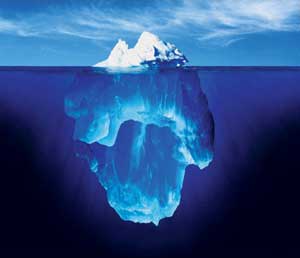
Interactions In The Relational Therapy Our emotions can shape those of another and we all affect each other in emotional entanglements. We have both a relationship with ourself and also with others. And it is through these interpersonal experiences - where what we experience (whether we are aware or not), the other can also pick up. (This can include what we cut off from, don't speak about.) The energy, intention, attitude and words we use also impacts on others. Our explicit knowledge can be seen on the surface, yet underneath there may live the implicit, unspoken parts of us (or yet to emerge aspects of us) which are hard to articulate, have an often non-verbal subtext - even linked to before we had words (see also Relationship Style, Attachment Patterns), which express themselves from our past yet also point towards our future potential. The therapist may also pick up what lays underneath the surface, beyond what's visible, what's not being said (maybe an elephant in the room), how we are feeling and not feeling. We all have conscious, unconscious aspects and what else might be emerging for us in our life may not always be clear. At certain times what we consciously and unconsciously give out or withhold, what's happening deep inside (maybe through some of our hopes, desires, intentions, thoughts, fears, moods, emotions, feelings, nuances, body language, etc.) and these can be felt energetically by others. Our past is also alive in our present as is our relating state influencing our behaviour and patterns of relating to others, the therapist in the room, where what is not consciously remembered gets re-enacted, repeated with others. (We can also project these onto others, our partner including our therapist and it is quite common for people in therapy to feel emotions or reactions towards the therapist.) Therefore, some experiences, feelings are impossible to put into words, yet get evoked in the therapy (e.g. what we repress, suppress, cut off from, maybe our love, including our shadow side, painbody) and these often subtle reactions, interactions (frequently unspoken), will be picked up in the therapy through the interactions between us - the transference (where situations in the therapy illicit intense, extreme or rigid unconscious emotional responses arising from conflicts and feelings for someone in our past redirected towards the therapist) and the counter-transference (what the therapist consciously picks up, their internal reactions and how this is mirrored back). So in the context of the therapy room, how we relate and come across, is partly a reflection of how we are experienced by others out in the world - and we can allow for and utilise this in our work. And how the therapist subjectively experiences the effect on them by us in the therapy, imagining what we may be experiencing, can also be brought to our attention, fed back to us (especially parts of us or contradictory aspects that seem to be outside of our awareness - including our disowned, dissociated experiences, non-verbal expressions, thoughts, beliefs and feelings). And what gets evoked, enacted (and often re-enacted) within the therapy space, felt in the body through our senses, has the potential to be healing, transformative. (In the containment, secure base of the therapy space some of our interactions may also have connections to our early bonding patterns and the therapist can mirror how they experience us now.) The therapeutic relationship can therefore be a relationship like no other and like a journey of discovery. Where we put our attention, our energy flows, so on a biological level, the brain has an element of neuro-plasticity (what fires together, wires together - see also Our Flexible Brain) and can be positively influenced (see also Becoming Our Vision, Visualisation, Envisioning The Reality We Wish To Be True) facilitating the potential for our disturbances, anxieties, etc. to be organically transformed in empathic relationships (including not only the therapeutic relationship but also in other relationships, e.g. with supportive others, our partner - someone who loves, accepts us exactly as we are, enabling us to love and accept ourselves) which quietens the amygdala, stimulating the frontal cortex functioning.
Therapy & Healing Through Lack Of Love Outcome research for successful psychotherapy highlights the importance of the therapeutic relationship. This is connected to how the brain has elements of plasticity which can be influenced positively later on in life, so anxieties, disturbances can be transformed organically in an empathic relationship that quietens the amygdala and stimulates the functioning of the frontal cortex. Learning to love ourself, relationship transformation and spiritual connection can be further ways we heal our early wounds.
Science Or Art?
Art, Science Or Both? We are not just "labels", "medical conditions" that need to be "cured". This misses the person within. The diverseness, uniqueness & complexity of each human being (see also Life's Predicaments, Paradoxes, Contradictions, Conflicts, Contrasts, Dilemmas, Ambivalence) cannot be pigeon-holed, simply reduced to a measurable exact science or linear logic, nor tangible, neat boxes. Rigid, limiting medical models can miss the individual, allowing for positive changes, effective outcomes (studies and research about the effectiveness of counselling, therapy are available). Medical models and diagnosis at times can be helpful, yet can also inhibit our growth, empowerment, sense of personal freedom, self-determination, self-worth, fulfillment. Scientific models are subject to revision and we can only measure what can be measured. What can't be easily measured may include the value of the therapeutic relationship, the personal meanings we make, sometimes making painful discoveries, finding our own way of navigating our way through life, changing what we need to change, having healthier patterns of thinking, feeling, behaving, a fulfilling sexual, spiritual life, embracing the unknown, our present moment (when all experience is past). Understanding ourself is important yet experiencing ourself - the poetic richness of all of who we are, and the healing power of relationships, connections are of a different dimension (see also Life's Journey, Initiations - Connecting To Our Own Inner Journey, Direction & Creating Our Own Destiny). The flexible therapy approach allows for the mystery of who we are, our "being" alongside our "doing", including our subjective experiences, unconscious processes, intuition, imagination, what's transforming, our own life's journey, living this to our full potential. We are each on our own individual path of development, therefore the art and craft of counselling, relational therapy therefore avoids labelling others and diagnosis.
Finding Out About Ourself
We may want to find out more about ourself (see also Yourself) - all the parts of us with compassion, less judgement yet also be afraid of this (maybe believing that self-consciousness is a bad thing). We may also want to let go of aspects of ourself that stop us being in touch with a deeper sense of our self and transcending ourself. The person we most communicate with is ourself. The therapy can be a space to:
- Explore the way we talk to ourselves
- Be in touch with our deepest desires
- Explore our experience in the moment
- Explore how we see the world
- Explore our different identities, personal roles
- Open up to our range of feelings, emotions
- Get to know our emotional self, embrace all our feelings
- Notice what we resonate with, our energy
- Explore our thoughts & beliefs
- Explore ways we listen to ourselves
- Get to know our overall, physical, emotional, psychological, sexual, spiritual self
- Explore the interconnectedness of our body, feelings, mind, sexuality, spirituality
- Explore what motivates us
- Explore what taking responsibility for ourself means
- Explore our resilience, healthy boundaries
- Open up to change
- Consider the role of the unconscious - "the yet to be revealed"
- Explore our relationship to our past, present & future
- Explore how we want to live our life to our full potential
Finding Out About Our Needs & Addressing Them
The process of therapy explores::
- Unmet Needs From Our Past
- Distinguishing Between What We Want & What We Need
- Finding Out About Our Needs & Addressing Them
- Manifesting What We Need
- Responding To Our Needs & Attending To Our Loneliness - Aloneness Through Being With Ourself
- Responding To Our Needs & Being Comfortable With Others
- Tuning In, Opening Up & Protecting Ourselves When We Need To
- Our Looks, Body Image Anxiety, Needing To Enhance Our Beauty
- Healing Our Need For Others' Approval - Internally Validating, Encouraging, Valuing, Appreciating, Affirming, Liking, Accepting Ourself - Giving Permission To Ourself & Giving What We Want
- The Need To Be Fixed
- Getting It Right, Needing To Be Right, Righteousness
- Fear Of Not Knowing (FONK Counselling) Tolerating Not Knowing - Our Need To Be In Control, Agnosiophobia Counselling
- The Social Climber, Need To Impress
- Healing What We Need To Heal
- Needing Excitement, Stimulus, Overstimulating Ourselves
- How To Overcome Procrastination, Putting Things Off - Knowing What We Really Need To Do
- The Connections We Need & Make
- Clarifying What It Is That Needs To Change
- Asserting Our Needs - What May Block Us
- Need For Help When Overusing Pornography
- Early Needs & Expectations
- The Need For Secure Emotional Connection - Healing From Our Early Attachment Wounds, Lack of Bonding
- Fear Of Dependence, Denying Our Own Dependency Needs
- Getting Our Basic Dependency Needs Met In A Healthy, Loving Relationship
- Love Needs, Love Addiction, Love Addicts
- Unmet Love Needs & Emotional Neediness
- Possible indicators of being emotionally needy
- Overcoming Our Emotional Neediness
- Our Own Needs
- Our Need for Love, Connection
- Our Need For Contact
- When Our Partner Doesn't Meet Our Needs
- Need For Fulfilling Relationship, Marriage
- What We Do With Our Love Needs
- Feeling Wronged - Needing To Be Right At The Cost Of Our Happiness
- Expecting, Assuming, Needing Our Partner Or The Relationship To Meet All Our Needs
- Giving up our need to control connection with our partner
- Trying To Be Right, Needing To Be Right, Better, Persuade Others, Our Partner
- Difficulties Being In Touch With & Asking For What We Need In A Relationship, How To Know, Name & Respect Our Needs - Speaking Up For Ourselves & Letting Others, Our Partner Know What Works Best For Us
- Being Vague, Being Clear When We Need To
- Uncomfortable With Being Sexual - Sex From Our Wounded, Needy Self, Who In Us (What Part Of Us) Is Sexual?
- Talking About, Sharing Our Sexual Feelings, Needs, Desires, Our Uncomfortable Areas With Our Partner
- Loving Our Partner Yet Knowing In Our Heart Of Hearts The Relationship Isn't Right For Us Or That We Need To End It
- What We May Need To Learn Through The Dynamics Of Our Relationship System
Needs In Relationships:
Our Past, Present, Future
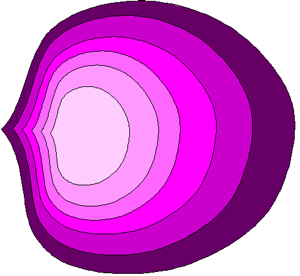
The psychotherapy & counselling process in London involves taking time to outline our current situation (and our symptoms), who we are now, where we would like to be - living to our full potential, and what stops us getting there so far, exploring whether our life now may also trigger memories from our past, some of which we had forgotten or believed we had dealt with (see also Our Relationship To Our Past, Present & Future). Yet in reality memories of events don't go away forever. They often resurface at a different layer or level, providing us with opportunities to revisit or heal (see also Changes & Transitions - Counselling London). Our past can be seen as a compass helping us to make sense and meaning of our present and point towards our potential. We carry not only our past, but also our present and future self with us, wherever we go. Who we were in the past blends into who we've become and who we want to be in the future. Some of us may need to forgive, accept and love each version of ourself, thanking our past self, having faith in our future self, enjoying our present self. Counselling and psychotherapy can help us get to know what we are doing and why we are doing it, so we can decide whether our future actions point towards being regressive or progressive. Some of us may want to find ways to be more alive and engaged in the moment - being in the present, without always putting things off to sometime in the future, which never seems to arrive, e.g. "when this happens, I will... when that happens, I will..." (see also Counselling For Motivation & Will Power). Being connected, grounded, feeling this in our body - through our quality of awareness, can also be explored through the counselling process. (See also Role Of The Unconscious - "The Yet To Be Revealed")
Relationships With Others, The Wider World & Indeed Ourselves
Action has meaning only in relationship; without understanding relationship, action on any level will only breed conflict...Krishnamurti
The understanding of relationship is infinitely more important than the search for any plan of action.
Interactions Out In The World Every relationship impacts on us in some way and we are the outcome of our engagement, relationships with others and it is only through these relationships that we understand ourselves more (see also Strengthening Relationship Communication - How We Relate). Relationships are essential to our wellbeing, happiness, resilience. The counselling and psychotherapy can help us be more in tune with ourself, others and offer guidance in managing and resolving conflict, solving problems and troubled relationships. Some relationships work, evolve better than others and it is our experience through our relationships with others that helps us heal and grow, teaching us what works for us and what doesn't. Being relationally receptive can be a need. The world is full of interconnected relationships - greatly influenced by our first relationship and our life is about relationships and the opportunities they bring as we adapt and respond, (sometimes through repetition compulsion, learn what we need to learn, heal). Harmonising all relationships (interpersonal - with others, and intrapersonal - with ourself) is challenging. Everyone, universally, has some ingrained ways of relating - we may struggle at times to relate in depth and seek relationships for intimacy, meaning or identity, so in a sense the focus of counselling is always about relationships with:

- Yourself (your primary relationship) - your internal, intrapersonal relationship, your own substance, the relationship you have with your Self - your different identities, personal roles, dominant personalities, how you see the world (see also Afraid Of Finding Out More About Ourself), understand, manage, respond to your own needs, feelings, emotions, thoughts, energy, animal self, how you listen to yourself - your overall, physical, emotional, psychological, sexual, spiritual self and the relationship between our perceptions, attitude and approach. Being connected to who we are in relationship to our present situation, past, future may also be important, so we build a healthy relationship with ourself (see also Finding Out About Ourself).
- Life itself
- Our partner (see also Our Relationships As A Man) including learning what we may need to learn along the way (see Our Intimate & Loving Relationships Now - Strengthening The Secure, Loving Lasting Attachment Bond Between Each Other)
- Others - parents, siblings, children, friends (see also Relating With Others, Friendships - Building, Strengthening & Deepening Relationships), peers, acquaintances, work colleagues, neighbours, authority, online interactions (see also Relating & Sharing With Others - Our Interconnectedness)
- Things & Objects (see also Thoughts & Beliefs About Happiness, Unhappiness) - our virtual relationships, e.g. the computer & internet, aspects of work, etc., certain food, alcohol, which, when excessive (see also Unwanted Habits & Addictions Counselling London), adversely affect our time & energy in developing fulfilling relationships with real people, or indeed our self
- Our spiritual realm
- Early connections & bonding patterns
- Our attachment history, influencing our relationship style as it shapes all our relationships
- The therapist
- Nature, the environment
We are born in relationship, we are wounded in relationship, and we can be healed in relationship.Harville Hendrix
The Connections We Need & Make
Tell me and I forget, teach me and I remember, involve me and I learn.Benjamin Franklin

Genuine, Meaningful, Authentic Connections, Engagements With Our Self & Others Whatever our age, nationality, skin colour, culture, religion, politics, sexuality, we all seek connection. And community helps us connect. Life can be experienced as everything being connected (see also Integrative Counselling Approach - Holistic Counselling). We may want to explore different strands of life - which ones do we want to let go of (disconnect) and which ones we want to keep and add to (reconnect) and how we weave threads together into a whole (integrate), so they make sense and meaning to us. Real engagement, contact beyond the surface level and small talk brings connection, flow, rapport. The qualities of connections we have can be a measure of our emotional health, enhance our creativity (as Steve Jobs says "Creativity is just connecting things"). At the depth of our soul we all yearn for connection, authenticity. Our life (and will towards connection) can also be experienced as a series of connections, disconnections, reconnections, interconnectedness, engagements that we may need and experience (see also Our Biology & Instincts). We all have the basic dependency needs, right to need attention, contact. The integrative therapy explores how we engage, connect with our Self (and what gets in the way of this - see also Distracting Ourselves Away From Emotional Connection, Emotional Intimacy) alongside all these different engagements, meaningful connections, alongside our communication style:
- Conscious, unconscious connections in ourself (& in our relationship)
- Our first relationship - early connections & bonding patterns
- Early connection with our primary "caregiver"
- Connecting to the innocence of our childhood - our child within
- Connecting with our senses
- Connecting with our different identities, personal roles
- Connecting to our core
- Re-connecting & being true to who we are, being grounded & secure in our body
- Our body's interconnectedness to our thoughts, emotions, etc
- Connection to what engages us
- Being emotionally connected ourself
- Connecting to our openness, light-heartedness, playfulness, carefreeness, laughter, fun & sense of humour
- Connections between current struggles & experiences from our past
- Aloneness, loneliness, connecting with our self, others & life
- Connecting to our overall, physical, emotional, psychological, sexual, spiritual self - all of who we are
- Body, feelings, mind, sexuality, spirituality connection
- Connections we make to how we think, feel, respond
- Connections to our own worth, values, purpose, desires, intentions
- Being connected to our sense of dependency, independency, interdependency, codependency
- Reaching out, belonging
- Connections with others
- Connection, disconnection, reconnection, interconnectedness, how we connect internally & externally, relating with others - our interconnectedness
- Relating & sharing with others - our interconnectedness
- Connecting and being in touch with supportive others - building a circle of people around us
- Emotional connection in our relationship
- Making connections with our partner
- Deeper ways of connecting in our relationship
- Our need for love, connection
- Connecting with our passions, desires, sexual desires
- Sexual connection, union
- Relating & sharing with others - our interconnectedness
- Connecting to the range & forms of love
- Being connected to who we are in relationship to our present situation, past, future, interconnectedness - connecting consciousness to our past, present, future, sensing our aliveness
- Interconnectedness of suffering & love
- Connecting with nature
- Our connection with awe & wonder
- Life's journey - connecting to our inner direction
- Connection between love & will
- Connecting with our dreams
- Heart connection
- Soul connection
- Connection with our Self
- Spiritual connection & principles to any religious faith
- Connection of all things, in tune with us, community, the wider world, our interdependence, interconnectedness
- Internet connections, mobile connections, social media connections, online chat connections, connection to technology, gadgets (and some of this usage may be problematic, addictive for us)
Poets, Singer/Songwriters over decades have written/sang about the internal distinctions and awareness of our "me", "myself" and "I" - the interconnectedness and companionship we experience within ourselves, including loneliness/oneness, as we attend to, accompany ourselves throughout our life within the relationship we experience between our "me", "myself" and "I".
Maybe our "me" is our personality, independence, aloneness, our body-based "me" (and all the different "me's", subpersonalities throughout our life).
Our my"self" could be defined as our self-consciousness, our essence and presence, our being - the soulful aspect of us (this includes spiritual qualities, spiritual consciousness - both in and beyond us).
The "I" can sense something in me (our felt and observational experience that there is a "me") and may include our ability to reflect, direct and act in the world.
Anchors In Our Life

Being Anchored, Anchoring Ourself Some of us may have lost our anchor points along the way, or have never really experience them. The experience of feeling anchored, secure, starts at the beginning of our life. And the therapy aims to provide a secure base in order to explore our own anchors, including:
- Therapy For Attachment Issues, Experiencing Secure, Internal Attachment
- Re-Connecting To Who We Are, Being Grounded & Secure, Inhabiting Our Body, Standing Up For Ourself
- Having Substance - Our Own Internal Structure, Being Centred
- Creating & Being In Touch With Our Inner Sanctuary, Our Anchor Points
- Anchoring Our Self
Awareness
None of us are fully aware We all have our blind spots. Awareness is about observing and closely linked to consciousness. The process of therapy includes exploring our awareness in different areas of our life, including:
- Frozen In Time, Locked, Trapped, Fixated Only In The Present Moment, Accompanying Ourselves "In The Moment" With Awareness, Presence, Imagination, Reflection
- Emotional Wellbeing, Emotional Self-Awareness
- Using Our Emotional Awareness & Skills To Support Our Relationship, Marriage
- Body Awareness - Connecting To Our Core, Supported By Our Breathing
- Contemplation, Creating Space & Quiet Time, Taking Pauses - Self-Awareness, Observation & Reflection
- Deepening Our Awareness
Universality
Universal Experiences We may experience or want to explore, be in touch with, certain occurrences, which are universal (some may also want to explore universal laws, spiritual laws) - see also In Tune With Us, Community & The Wider World, Our Interdependence, Interconnectedness, Oneness, Unity, Harmony. These may include:
- Universal sadness
- Universality of core, authentic, existential life feelings
- Universality of love
- Universal consciousness
- Universal energy
Healing What We Need To Heal
Going for a quick fix or a miracle cure to take our pain away may not be a healthy option in the long run and we may need to take a longer way home (see also Therapy Duration). However, some of us may experience a "lightbulb moment" when things make sense, fit into place. All methods of healing, whether medication, surgery, diet, exercise, being in nature, physical touch, spiritual healing are about taking ourself away from the pain and any rigidity that we hold. Healing evolves and is not about getting there - it's more about being in an ongoing process of evolving towards comfort, flexibility, flow, through love, learning about the conscious subtleties of our intentions towards growth and healing through consciousness, dropping the subtle level of control, limiting beliefs. Healing whatever it is we may need to heal in ourself as part of our development (alongside our future intentions, future potential) may be part of the therapy process and may include:
- Healing through all our relationships
- Being in touch with, allowing for our vulnerability, human fragility
- Coming to terms with life's uncertainties, impermanence
- Sharing our feelings
- Embracing suffering & love
- Healing through love
- Healing through the value of tears
- Opening up to our compassion
- Utilising our wisdom
- Apologising when we need to
- Having, expressing gratefulness, appreciation, gratitude
- The potential to heal in our relationship, healing our end of the relationship system
- Healing old wounds, hurt, pain, shame, guilt (see also The Need For Secure Emotional Connection - Healing From Our Early Attachment Wounds, Lack of Bonding)
- Healing through our attachment bonds
- Healing through loving sex
- Healing ourself after a breakup
- Integrating our body, feelings, mind, sexuality, spirituality
Fixing Things - The Need To Be Fixed We are not just a problem with a label, that can be easily fixed like a broken car. And usually there are no quick fixes, easy resolutions. Only we, through taking personal responsibility, can fix ourselves, cure ourselves. No single theory solves all problems, nor matches every human being's needs. We don't all fit into neat boxes. Often there are no easy answers to dilemmas, and on some occasions things may not change or be resolvable (see also Life's Predicaments, Paradoxes, Contradictions, Conflicts, Contrasts, Dilemmas, Ambivalence). Therefore, there is usually no easy formula or temporary quick fix, yet our capacity to cope can change. We can unhelpfully believe that it is the therapist that can "cure" us, "fix" - we have to cure ourself, taking responsibility for ourself. Especially issues between our head and logic vs. our heart and inner wisdom, not everything can be fixed, solved (see also The Problem Solver, Fixer - Addicted To Fixing Others), as the quote below remarks.
We are continually faced with great opportunities which are brilliantly disguised as unsolvable problems.Margaret Mead
Our Heart
Matters Of The Heart Therapy would not be therapy without acknowledging, addressing matters of our heart, love:
- Diminishing Creativity & Open Heart
- Accessing Motivation, Taking Loving Action, Acting From Our Personal Will, Heart
- Openness To Our Light-Heartedness, Playfulness, Carefreeness, Laughter, Fun & Our Sense Of Humour
- Opening Our Heart To Our Own Ethics
- The Pain & Joy Of Life - Opening Our Heart To Heal Love
- Opening Our Heart, Expanding Our Heart
- Heartbreak
- Loving Someone When It's Hard - Opening Our Heart To Others, Even When Things Are Difficult
- Being Truthful & Emotionally Honest In Our Relationship - Speaking, Sharing Our Heartfelt Truths
- Loving Our Partner Yet Knowing In Our Heart Of Hearts The Relationship Isn't Right For Us Or That We Need To End It
How We See The World

Interpretations We all see the world in our own way (see also Our Assumptions & Interpretations). Our sense of the world is determined by our guesses generated from experiences, expectations, beliefs. Influenced by the lens we see things from, our interpretations can be deceptive, that our "reality" can be inaccurate (for example we see the Sun moving each day, yet it is the Earth moving around the Sun). If our self-esteem is low or we are moody, this will affect our beliefs about the world. We all interpret the same events differently - creating our experience by the power of our thoughts (see also What We Do With Our Thoughts & Beliefs, Our Reasoning & The Weighting We Put On Things). The process of counselling and psychotherapy attempts to understand our world view - how we look at the world around us and ourself in it, our internal working model, way we mentalise. How we see the world may be just trough facts, yet this misses out our personal experience, which can be explored in the therapy alongside the impact of our personal beliefs, culture, inter-subjectivity and through metaphors, images, symbols. There may be something we want that's not working; how we see ourself getting there and the ever-changing journey itself may also be important. Experiences derive from engaging with the world and the counselling examines, explores how we experience the world, systems of thought, modes of knowing, consciousness our perspectives, perceptions, how we see ourself, belief systems, any expectations, assumptions and conclusions. The therapy may explore through whose eyes and what lens we view the world, whether it be our parents' eyes, our different identities, roles, etc. and how by changing our ingrained thoughts, stories we tell ourselves, new possibilities emerge.

Reflections The process of therapy includes exploring how we reflect in different ways:
- Keeping Busy - Making Time To Stop, Reflect
- Contemplation, Creating Space & Quiet Time, Taking Pauses - Self-Awareness, Observation & Reflection
- Self-Reflection - Looking Inside & Reflecting Upon What We Find
- Life Reflection
- Self-Reflective
- Frozen In Time, Locked, Trapped, Fixated Only In The Present Moment, Accompanying Ourselves "In The Moment" With Awareness, Presence, Imagination, Reflection
- Reflective, Existential Concerns
- Reflecting Upon Our Mortality
Relationship Reflections
- Taking Time To Personally Reflect
- Stepping Back, Reflecting Upon Our Current Or Previous Relationships Or Marriage
- Reflecting Upon The Positive & Negative Aspects Of Our Relationship, Marriage
- Further Reflections
- Reflections, Way Forward
- Deceived Partners Reflections On Their Relationship, Marriage
Templates We May Have Created We all have our own relationship to life, personal templates, internal working models (thinking templates, feeling templates, behaving templates, identity templates), and some of them are unconscious:
- The ways we carry ourselves in the body - our demeanour
- The ways we experience the world
- The ways we think & see things including rationality, assumptions, beliefs, prejudices, biases, wishes, hopes, perceptions, attitudes, values
- The ways we feel, e.g. depression template, anger template, love template
- The ways we behave
- The way we make choices
- The way we procrastinate
- The roles and identities we have
- The ways we like to show ourself in the world
- The ways we relate
- The ways we attach
- The ways we maintain unhelpful habits or addictions
- The ways we take responsibility
- The ways we grieve & let go
- The ways we are resilient
- The ways we are sexual
- The ways we connect spiritually
- The ways we motivate ourself
- The ways we view change
- Ways we live our potential
Truth
Truth When being truthful it comes from our conscience and personal integrity, yet some of our truths may be fear-based. There are various experiences, expressions of truth:
- Truth, Knowledge & Knowing Things
- Guidance, Truth
- Our Home Truths
- Our sense of intuition & inner knowing - gut feelings, hunches, instinct, improvising & reality
- Being Congruent, Choosing To Speak Our Truth
- Being Truthful & Emotionally Honest In Our Relationship - Speaking, Sharing Our Heartfelt Truths
- Sometimes Speaking All Our Truth, In Every Moment Can Destroy Relationships
- Tactful & Truthful Approach
Trust
The Therapy Process Explores What Trust Means For Us Including:
- Unhealthily Looking For Social Approval, To Be Liked, Noticed, For External Validation, Encouragement, Approval, Affirmation, Reassurance, Confirmation, Permission, Recognition, To Be Valued, Appreciation, Praise, Attention, Adoration, Admiration, Adulation, Acceptance, Trust
- Mistrust
- Self-Trust, Putting Trust In Us
- Self-Trust - Trusting Our Self, Our Innateness
- Expansion, Self-Growth, Flourishing, Thriving & Trusting Life - Nourishing It, Having Faith
- Ownership, Guardianship, Trusteeship, Stewardship
- Faith & Trust In God, A Higher Power, Spiritual Guidance
- Impact Of AI, Artificial Intelligence
Trust In Relationships
- Trusting Others
- Trust, Intimacy, Love, Touch & Sex In The Relationship Or Marriage Counselling London
- Trust, Vulnerability & Intimacy In The Relationship
- Creating A Loving, Trusting Bond
- Our Own Trust Issues In Our Relationship
- Trusting Our Partner, Trusting Ourselves
- Trust & Intimacy In The Relationship, Marriage
- Rebuilding & Restoring Trust - Our Work
- On The Receiving End Of Infidelity, An Affair - Rebuilding & Restoring Our Own Trust
Us & Time
Our Relationship To Time We all have a relationship to time affecting areas of our life, work-life balance alongside profound association with our own mortality, existential concerns, spirituality, consciousness. The therapy can explore how much of our attention, thoughts, feelings, energy is in the future, the past, the present. All we've experienced is now past, and how else we affect and are affected by time may include:
- How To Overcome Procrastination - Making Time For Things That Matter, Time Management
- Keeping Busy - Making Time To Stop, Reflect
- Time, Caught Or Lost In Time, Daydreaming, Idleness, & Mindlessness
- Echoes Back In Time
- Concept Of Time, Time Passing, Time Blindness
- Doing things the last minute
- Stuck, Fixed Somewhere Between The Past, Present Or Future
- Being Connected To Who We Are In Relationship To Our Present Situation, Past, Future
- Internal Interconnectedness - Connecting Consciousness To Our Past, Present, Future, Sensing Our Aliveness, Space Beyond Us
- Taking Downtime
- Contemplation, Creating Space & Quiet Time, Taking Pauses - Self-Awareness, Observation & Reflection
- Taking Time To Personally Reflect
- Letting Go - Being In The Now, Being Present In The Moment, Our Present Moment Experience (PME)
- Making Quality Time Together In Our Relationship
Overwhelment

The counselling process includes how we are able to have perspective, see a bigger picture and not lose sight of the ocean for the waves, where life's challenges come and go, like waves. So when viewing the ocean between the waves, the waves may seem less overwhelming, enabling us to overcome life's challenges. The therapy process also include exploring how we respond to and manage:
- Any overwhelment, confusion, being stuck in our head
- Being overwhelmed by feelings
- Overwhelment, leading to panic attacks or anxiety attacks
- Burnout
Life Balance

Balancing Our Life It's a challenge for us all to live a balanced life - the balance between our body, feelings, mind, sexuality, spirituality, balance between withholding or sharing all our thoughts, balance between doing and being, work-life balance (see also Soft Living, Living A Soft Life Powerfully). We may also want balance between being strong and upright, like an oak tree, yet not too stiff - able to bend with the wind and be flexible, like a willow tree. Having balance in our relationship (including giving, receiving, sharing love) may also be important. We may find balance in silence, inner stillness.
Wellbeing
- Valuing, Respecting & Looking After Our Body, Physical Health & Wellbeing, Our Physical Sensations
- Physical Wellbeing - Body Vitality & Breathing
- Emotional Responsibility, Emotional Energy, Emotional Health, Emotional Wellbeing, Emotional Evaluation, Emotional Strength, Emotional Resilience, Emotional Intelligence, Emotional Growth, Emotional Maturity - Being Emotionally Connected
- Emotional Wellbeing, Emotional Self-Awareness
- Psychological Wellbeing, Psychological Health, Psychological Resilience, Mental Wellbeing, Mental Resilience
- Our Happiness, General Wellbeing & Flexibility
- Wellbeing Of Others - Generosity Of Spirit, Being In Service Towards Others, Acts Of Service
- Sexual wellbeing
- Spirituality, Spiritual Growth, Spiritual Health, Spiritual Wellbeing, Spiritual Energy - What We May Experience & Where It May Lead Us To
Respect
What And How We Respect Things The counselling and psychotherapy includes exploration of what it is we respect:
- Ourself, self-respect
- Our wellbeing
- Valuing, Respecting & Looking After Our Body, Physical Health & Wellbeing, Our Physical Sensations
- Our body, feelings, mind, sexuality, spirituality
- Wanting others to respect us & respecting others
- In our relationship respecting each other
- Being in touch with & asking for what we need, how to know, name & respect our needs - speaking up for ourselves & letting others, our partner know what works best for us
- Respect for the world around us
Finding Our Way Through Difficulties & Old Beliefs
Finding Our Own Way Through The therapy process includes integrating aspects of our personality, which we might find unacceptable. These aspects may include unwanted feelings, our beliefs (including the early unconscious agreements we made). We may therefore also explore the promises we made to ourself, have held on to or continue to be loyal to, including the beliefs that are precious to us. These may also include beliefs like "I'm not supposed to have needs", "I should...", "I must always..." and "Not knowing is unacceptable", that "Feeling vulnerable is a weakness" or "Dark and chaotic moments must be avoided" (see also The "Should", "Shouldn't", "Ought", "Must", "Never", "Always" Beliefs). Acknowledging that certain problems are insolvable, it is often that somewhere within these difficulties themselves, are pointers to solutions and as we find our way through them, we are able to liberate ourself from their binds, respond to life's paradoxes, contradictions, conflicts, contrasts, dilemmas, ambivalence. The therapy process explores what we do with our thoughts and beliefs, our reasoning and the weighting we put on things.
Creativity, like human life, begins in darknessJulia Cameron

Underlying Symptoms It is common for people to come to therapy with a range of issues - those of a more immediate nature (the top layer if you like) alongside underlying layers (where the source of our issues may lay), indicating that certain non-specific issues, emerging unconscious issues may also need attention as if our very soul expresses itself through our symptoms having an (often unconscious) role in our development. At some point during the therapy process we may discover that we have very different needs to the ones we thought we had at the beginning, as if something else is emerging. Issues we bring to counselling and psychotherapy may have underlying causes and multiple meanings carrying messages - like cues or pointers, which may be a wake up call or turning point for us - our unconscious side (unknown, to be discovered aspects of us) and point towards our potential, what needs transforming. The process of therapy from this perspective views our issues, disturbances (even crisis at times) also as symptoms, aspects of our essence, signposts pointing towards growth, our emerging purpose, potential, which need paying attention to. In therapy there is an opportunity, for both of us, to fully explore why we are seeking therapy, wonder together about the meaning of any current, past events, and what might need to be learnt, healed or integrated. (See also Therapy Approach - Working With You, Viewing Issues Also As Symptoms With A Backstory & Story Going Forward)
Your conflicts, all the difficult things, the problematic situations in your life are not chance or haphazard. They are actually yours. They are specifically yours, designed specifically for you by a part of you that loves you more than anything else. The part of you that loves you more than anything else has created roadblocks to lead you to yourself. You are not going in the right direction unless there is something pricking you in the side, telling you, "Look here! This way!" That part of you loves you so much that it doesn’t want you to lose the chance. It will go to extreme measures to wake you up, it will make you suffer greatly if you don’t listen. What else can it do? That is its purpose.A.H.Almaas
Patterns In Our Life
Life Patterns What's brings us to therapy is the content of our issues, and my approach is to spot your patterns and reflect back these patterns and the connections you make for you to explore. This is where change happens, when we shift our patterns. The counselling process is a place to also discover what keeps us stuck, explore and change any entrenched, ingrained patterns and triggers in our life we want to (see also Counselling Approach - Patterns & Triggers), so they can be released (see also Building, Maintaining, Scheduling Supportive Habits, Routines, Rituals, Patterns). Alongside lifelong conscious, unconscious patterns of feeling, thinking, roles, behaving, these may also include:
- Intrusive, Invasive Thoughts, Unhelpful Habitual Thinking Patterns, Unproductive, Negative Thoughts & Their Meanings
- Patterns Of Primary & Secondary Feeling Responses
- Protective Patterns, Over-Defensiveness
- Behaviour Patterns
- Self-sabotaging patterns
- "Addictive Behaviour" Patterns
- Sleep patterns
Relationship Patterns
- Our First Relationship - Early Connections & Bonding Patterns
- Our Codependent Beliefs & Thinking Patterns
- Dating Patterns
- Patterns of sexually relating
- Relationship Style, Attachment Patterns
- Early Destructive Relationship Patterns
- Relationship pattern of one person pursuing, the other distancing
- Relationship Roles, Patterns & Characteristics
What We Do With Certain Things
What we do in life can be influenced by the patterns in our life. And what we do in life may override how we are - our being.
-
What We Do
- What We Do With Our Thoughts & Beliefs, Our Reasoning & The Weighting We Put On Things
- What We Do With The Will
- What We Do With Difficult Feelings
- What We Do With Our Frustrations
- Addictions - What We Do With Our Feelings
- Frequently Late, Doing Things The Last Minute, Moving, Pushing, Breaking Deadlines
- Doing Less
- What We Do With Our Love Needs
- What We Do With Our Hurt In The Relationship, Marriage
What We Do In Relationships
Phases, Stages, Transitions, Transformation In Our Life
Our life can be seen can be seen as a series of transitions as we evolve through different phases, stages, levels of maturity and these require different skill set, because what worked in in the past may no longer work as well now. We may become stuck in a particular life phase, preventing us being a fully functioning human being, e.g. transitioning in university, from university to work, midlife, ageing, or phases in our relationship. And the experience of therapy too has its own stages. Life stages, phases, transitions or transformations may include:
- How we want to evolve as a person
- Listening to the evolving unconscious
- Transforming old beliefs
- Transforming our fear
- Emotional intelligence, emotional maturity
- Letting go of what we need to let go of
- Changes & transitions, life transformation alchemy
- Parenting, evolving individually & as a couple, maturity as a couple, evolving, transforming our sexual energy (see also Relationship Growth, Transformation)
- Life transitions & existential concerns
- Transforming our life (see also Life Transformation, Alchemy)
- Coming up against our own mortality & later life issues, ageing & maturity
- After physical death, do we transition into a non-physical world
Developing Fundamental Life Skills
Personal Skills Some people may want to focus on specific areas of concern. Counselling and psychotherapy can help with this. Examples include:
- Communicating well
- Decision making
- Critical thinking
- Responding to life's paradoxes, contradictions, conflicts, contrasts, dilemmas, ambivalence
- Making our life run better
- Ways of relaxing
- Expressing & containing emotions
- Being creative
- Individuation & taking self-responsibility
- Internal resilience, emotional resilience, psychological resilience, relationship resilience
- Our wellbeing
- Having peace of mind
- Being open to our light-heartedness, playfulness, carefreeness, laughter, fun & our sense of humour
- Being happier
- Living our life to our full potential
- Other...
Tool Kit
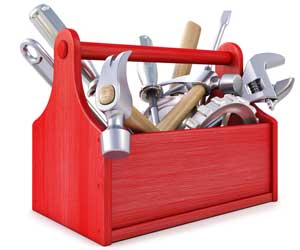
Developing Our Own Toolkit During the therapy process, we may prefer a listening ear, understanding and gentle guidance. We may also seek different tools in our life (e.g. managing stress, anxiety, esteem, etc.), techniques or a structured programme to help us with aspects of ourselves and our personality. Yet tools, techniques are insufficient on their own, because we are not just a "problem" or "label" which can be fixed like a broken car (see also Counselling Approach - New Perspectives). The impact of our past and future potential, life meaning and purpose, may also need to be explored. The counselling and psychotherapy can work with what troubles us, the different parts of our life in detail and as a whole including our general, physical, emotional, psychological, sexual, spiritual wellbeing.
Life Re-Appraisal - Our Internal Resources
Our Own Resources Alongside our personal skills, we may want to get to know our "internal working model", appraising our life like a life audit, get to know what works for us, what doesn't. The counselling can look at our external and internal support systems - a bit like a personal MOT, including how we do and don't take care of ourself, get our needs met - what does and doesn't help. These resources may enrich our life, support us in understanding (and make meaning of) our experiences, overcoming inevitable setbacks and adversity, being resilient. The therapy process can include seeing how we are in touch with our future aspirations alongside getting our primary needs met, by looking at:
Taking Stock Of Our Life
- Where we are now, our influences
- What we've achieved & what matters now
- What motivates us
- What gives us faith & hope
- What gives us meaning, status & a role
- What we really want - what's most important & the steps we take in getting there
- What might our challenges & resistances be
- Our habitual behaviours & choices
- How we express & contain our feelings
- Our emotional connection with others, deepening our relationships
- Whether our basic dependency needs are met
- How will we live our life to our full potential
Our Support Systems
- Our resourcefulness, inspiration, imagination, creativity
- Having substance - our own internal structure, being centred
- Being in touch with & asking for what we need - speaking up for ourselves & letting others, our partner know what works best for us
- Our range of coping mechanisms, resilience & support systems, including if things go wrong
- Our values, conscience, integrity & how we fully express them
- Our intrinsic self worth
- How we connect with our own purpose & direction
- Whether we are living & working in an environment where not only our basic needs are met but we also consider how we flourish
- Work-life balance
- How we get our basic needs met - how we give, receive care, share love
- Being in touch with the healthy side of being selfish
- Our home truths
- How we make worthwhile commitments
- How we manage adversities, suffering
- Alternative ways of responding to difficulties
- How we soothe ourself
- How we adjust & our flexibility
- Our sense of control
- How we utilise our good qualities, strengths, abilities & personal skills
- What we appreciate & are grateful for
- What helps us relax
- Doing pleasurable, challenging, satisfying & rewarding activities, what we enjoy, that stimulate the brain & stretch us
- Having a network of supportive friendships & relationships, who are able to provide a range of support, e.g. people who are honest with us and challenge us, share our interests, live in different worlds from us, enriching our perspective, love or care for us
- Our space for contemplation, reflection
- Being in touch with what lays deep down inside us - individually & collectively, what brings us energy & depth of expression through the heart & soul of ourself, valuing what matters, however small, large, interest sharing - being connected to something larger than us, e.g. universal qualities of passionate interests, music, sport, art, nature, family, friendships, spirituality, religion, participating in our community
- Our general, physical, emotional, psychological, sexual, spiritual wellbeing
Direction In Life
The process of therapy includes exploring our life directions, including:
- Existential Concerns - Our Direction
- Life's Journey, Initiations - Connecting To Our Own Inner Journey, Direction & Creating Our Own Destiny
- Feeling Spiritual, Honouring Spirituality, Choosing A Spiritual Path, Spiritual Qualities, Spiritual Direction
- Direction Of Relationship Or Marriage
Counselling For Motivation & Will Power
... more about motivation and will power
Burdens We Hold On To
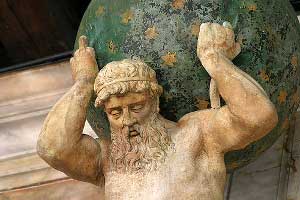
Our Burdens All of us can feel burdened by certain experiences, our life can feel like a long, hard slog, ploughing on. We may have been carrying our burdens uphill for a long time (some of which may even originate in our ancestors). Our burdens come in many forms including problems we hold on to. The burdens we continue to carry can weigh us down, where things become an effort, struggle or battle. (Some of us may also not want to be a burden to others, so we may withdraw or numb our feelings, don't ask for what we need including in our relationship or struggle to receive love.) Shedding light on the burdens we carry (see also Addicted To Pain, Suffering), laying them down, transforming them, lightening the load, letting go of ones we no longer need to (see also Releasing Ourselves & Letting Go), can be explored in the therapy. Our own burdens may include:
- Certain stresses, fears, anxieties
- Having to have a perfect body
- Our painbody
- The impact of our past
- Inhibiting rules, loyalties, oaths, sacred cows, obligations, belief systems, etc.
- Resentment
- Unhelpful, old thoughts & beliefs
- Thinking in absolutes & over-generalising - all or nothing thinking, either/or thinking, duality
- Doing things the same old ways
- Keeping busy with distractions, addiction to busyness
- Overthinking, overanalysing, overwhelment, confusion - stuck in our head
- Overwhelmed by feelings - managing, regulating & transmuting our emotions, core painful feelings
- The narrative we told ourself
- Fear of failure, success
- Old wounds, shame, guilt, loathing
- We may feel the burden of being a woman, man, parent or being stuck with a rigid identity, role in life
- The pressures of living in the world
- Feeling low, sad, depressed
- Unexpressed sorrow, tears
- Tiredness, fatigue
- Unmet, unrealistic expectations
- Perfectionism, fear of failure, success
- Struggling to make choices, decisions
- Certain unwanted feelings
- Carrying our vulnerabilities, yet feel unable to share these
- Relationships burdens
- Becoming like a martyr, victim, persecutor or rescuer
- Certain personal fears
- Certain repetition compulsions
- Fears in our relationship
Grieving, Mourning Our Losses
Bereavement & Grief for someone we cared about, or knew has its own pace (see Grief & Bereavement Counselling London). Grief is about loss and is different to depression although we may be grieving our unhappiness. Grief is part of the human condition and inside a part of us, we may have frozen. We grieve because we love and we may also be in touch with loss or personal grief, not of a person but of a different nature and this can affect fear of loss, rejection, abandonment.

Grieving Over The Loss Of Our Past Some of us can remain stuck in our grief, others - rush with getting on with life (some of us can switch between both). Certain memories, past experiences may have a ripple effect, stirring, deep love, regrets, good times, bad times, trauma, heartache, heartbreak, years of struggle, nostalgia. We may hold existential grief. Our grief may also arise when we long for a past experience. We may be grieving over loss of childhood, painful experiences, past wounds, a specific stage of life, later life, lost youth, maybe mourning unfulfilled dreams, aspirations. Our grief, unresolved loss may run very deep, as if right to our soul, as we struggle to bear this. Our grief may have a very long tail. Unhooking ourselves from grief may take time. Allowing ourselves to grieve our loss, releasing any emotions, reconciling and making peace with our past, learning what we need to learn, may be important. The therapy can be a space to talk about these, alongside existential concerns alongside our grief which may also relate to our authentic core existential life feelings.
This too shall pass.A Persian Adage
Mourning Our Losses We may experience loss (see also Grief & Bereavement Counselling London), separation, yet be unaware of this and some of this may be related to our early attachment history - see also Fear Of Separation, Loss, Rejection & Abandonment Issues. (We may also not only be mourning what has been lost but also what has never been - what's missing.) Some of us may be inconsolable. Traditionally we may have been taught to get over our painful losses, yet grieving what needs to be grieved, making our memories part of our lives, so they are integrated, may also benefit us. Empty inside, our grief may arise as if from nowhere. Our grief can be about something in us that has died, which may be hard to mourn. Yet, as something dies in us, it can create the potential for something new to emerge, renewal. As we let go, we are often in touch with uncertainty and loss, which can trigger past memories of endings. Our grief and loss can be experienced in many forms. Loss of: childhood, trust, power, control, health, stability, identity, interests, purpose, love, dependency, friendships and relationships and when our children leave home may deeply affect us. What we do and how we let go of betrayals, rejections, endings, unfinished business may also be our challenge. Mourning the future we could have, didn't have, is also a loss. Being openheartedly able to forgive ourself or others may be a need. Often when we are in touch with our own personal grief, we can get closer to and sense what we need. As we let go of things, transform these little deaths into our life, we may enter into a time of transition or renewal.
The world is round and the place which may seem like the end, may also be the beginning.Ivy Baker Priest
Grieving To Let Go Grief is present throughout our life. It can be painful to talk about it or difficult to allow grief to wash through. We may grieve when losing the innocence of our childhood, when we have to grow up, grieve our wounds, pain and hurt, have family grief, we may grieve for another day passing and the passage of time, life changes, partings, separations, endings (including relationship endings), deaths - not only the literal ones but other little deaths. We may grieve because we are human, grieve humanity, feel a global grief, climate grief - a sort of universal sadness. Some of these big feelings of grief, sorrow may have been too much to bear when we were younger and we may have also been taught to resist them, bury them (or others didn't know how to attend to our grief), repress our grief. Yet giving loving attention to our feelings of grief can help release us, move through our blocked feelings, where often our anxiety, frustration, sadness and heartbreak live. We may choose to grieve in our own way by choosing to allow a trusted few in, letting ourselves be held (physically and emotionally), talking with supportive others, writing, drawing, painting, dancing, screaming, sleeping, sitting quiet and alone for a period of time, reflecting, meditating, praying, crying - whatever works for us.
I suppose in the end, the whole of life becomes an act of letting go,Yann Martel, Life of Pi
but what always hurts the most is not taking a moment to say goodbye.
Grieving To Let Go & Our Tears Some may have taken on a "don't cry" rule, long time ago. The time may, or may not, be right for us to let go. Unready, some of us may hold a lot in - defer our own painful feelings (see also Our Painbody). We may want to have a willingness to grieve, give ourselves permission to grieve by feeling our sadness, crying when we need to and being in touch with our longing and staying with our tears - breathing through them. Following where our tears take us, giving our grief and tears the time and attention towards completion, may support us. If we are on medication, unwell, we may not have the energy to cry, be tearful, or grieve to let go in other ways. Others may be frequently tearful. Sometimes there are no words to match our tears - just emotion (and even that can be hard to reach at times).
Tears are the silent language of grief.Voltaire

Crying & Our Tears Our genes, alongside our culture and family life (e.g. how our parents responded to our tears as a child) may shape our response to crying. In our past we may have been given negative messages about crying so we learnt to hold our tears back. We may have built a wall to protect our soft heart and any unshed tears may have hardened (and we may feel depressed inside), yet as our tears flow freely, they may soften our wall and crying often releases pain. Acknowledging when our wall is up (to protect our pain and our own vulnerability) can also help our wall to dismantle. Reluctant to cry, we may have certain judgements and believe that it's shameful, depressing or weak and hold back our tears (hurt and pain), which can get stuck in our body. (Physical symptoms such as headaches, ulcers, insomnia have been linked to the failure to cry.) Yet for some, when grief and tears are released, as we grieve the pain living in our heart, allowing our pain and grief of our past to wash through us, this can be transformative, softening our edges, allowing us to come back into our whole body, feel more alive, be open to love as our heart is touched, moved. And this can nudge us to move forward, connect with the present moment, find our strength, clear out the fog of any unhelpful thoughts, see our life and the world with more clarity. Some of us may feel like a victim when we are crying, so our wounded tears can come from self-abandonment. And for some these tears from our wounds may be manipulative - trying to make others feel guilty for us, e.g. "poor me", so the other person feels pity or sympathy for us in the hope they give us the love and attention we are not giving to ourself. This energy can put others off. Sometimes our tears are from the experience of our inner child yet crying with our loving adult present, compassionately allowing ourself to cry when our inner child wants to, feeling our own helplessness, can be healing, as our tears remove stressful chemicals in our body, melting overwhelm.
Don't cry because it's over, smile because it happened.Dr. Seuss
Embracing our authentic tears, vulnerability (and laughter) are natural ways of releasing stress, rather than holding this in our body. They awaken our emotions (often painful ones), enabling us to express, release feelings especially if we are hungry, irritated, angry, lonely, tired, lost or stuck, traumatised, feel scared, under threat, experience conflict loss, separation. There is Golda Meir quote: "Those who don't know how to weep with their whole heart, don't know how to laugh either." And as a man, we may have been brought up with "Boys don't cry". As we let go, we can feel relief when we cry, as our tears flow freely, through experiencing our suffering and love, joy, gratitude, beauty, alongside our helplessness, sadness, sorrow, loneliness, pain, which opens our heart, shows we love. Our authentic tears, when we feel heartache, heartbreak, sadness, grief of life, being at the end of someone's meanness, unlovingness, loss of something precious or important to us, others suffering comes from our open heart, as we express our authentic pain. If we put a lid on our authentic pain, we also put a lid on our authentic joy. The therapy can explore how, by accepting our emotional state, we can learn about ourself in the process.
It's all right to cry, even the sky does it sometimes.Unknown

Frequently Tearful, Crying "Attacks" Some of us can't stop crying and feel all cried out at times. Counselling for crying bouts can explore what's going on for us (which for some may be linked to our high sensitivity). We may find ourselves frequently crying for no clear reason, which may point to feeling overwhelmed, or may be depressed. (Sometimes our tears may be connected to tiredness, sleep problems, hormones, feeling unwell, on medication, grieving someone's death, the pseudobulbar affect - PDA.) It is natural to respond to certain events by crying, letting out emotions, so if we need to cry we cry and don't hold back our tears. We may also get in to certain, uncontrolled states, where we have so called crying attacks (which for some can be similar to heightened anxiety, panic attacks),where anything can set us off. This can be explored in the counselling for crying. Others may struggle to recognise that on occasions we don't always need to over-share all our feelings and it may be inappropriate to cry - crying at the wrong place and time, making things awkward, others uncomfortable or in a work situation, be unprofessional. We may struggle to reign in our emotions at times which for some may be linked to our loose or porous boundaries or accompanying the tears of our inner child through our loving adult.
Releasing Ourselves & Letting Go
In the end, just three things matter:Jack Kornfield
How well we have lived
How well we have loved
How well we have learned to let go.
Letting Go Of Things & Passing On What Is Of Value To Others The above quote speaks of loving well, grieving to completion and may point towards that when the time is right, everything that comes our way we can choose to pass on for good use with love - not just our money and possessions, but our wisdom, ideas, opportunities, love. Yet a part of us may still be invested in not changing, holding onto specific areas we struggle to let go of (see also Chasm), e.g. inevitable little deaths in our life, which can be explored in the counselling.

Releasing & Letting Go A challenge for some is to let go of who we think we should be. Ralph Waldo writes Emerson of "What lies behind us and what lies before us are tiny matters compared to what lies within us..") Letting go may include discerning what we leave in and what we leave out. Often we know that the time is right, when we have to let things go, this could include friendships, objects (see also What We Do With The Will). Sometimes we can become trapped like a bird, holding on to our branch, believing we are not free. The branch can't let go of us, and our challenge at times may be to let go of the branch (risking losing some control, being vulnerable), which may seem counter-intuitive (see also Mourning Our Losses). Yet as we shed what no longer serves us, we can still hold ourself, be in our ground, remain centred. Stuck, we can hold on to things which no longer work (including some of our over-defensiveness), which for some may ferment into depression. Giving us permission to let go of the burdens, we no longer wish to carry (especially things out of our hands), may be our desire. We may want to simplify our life, question if we need to fight the same old battles any more. When we are ready, we can make a decision to let go, trusting what will be, will be, no longer necessarily allowing things from our past to influence our life now, in this moment. As the space space opens up, we may become freer, our attitude and perception may change, the choices before us may widen. We all have our own pace and often we personally know when the time is right to let go of our over-reliance or attachments to objects, opinions, ideas, thoughts and beliefs. This separation, letting go may also apply to our over-attachment to people by letting others be (without expectation or dependency), we are OK and they are OK. Disidentifying and letting go of unhelpful associations may support our resilience. As we acknowledge this separation, we are more able to respond to loss, boosting our wellbeing. When we free ourself from the hold of our past, let go of our attachments, allow things to wash over us, dissolve, we may discover that we don't have to struggle unnecessarily any more, release and let go of any resistances (for what we resist persists), be more able to allow "what is", accept ourselves, loosen up. Our grief can arise and well up from nowhere and grieving our loss, allowing for change and new challenges in our life to emerge, making a fresh start, may also be important to us. As we grieve what we need to grieve, surrender, we may be more connected to what we need in our life and relationship. Letting go sexually maybe a need for some. Some may be drawn to spiritual enquiry. We may need to let go of what blocks us in certain areas and we connect to our light:
Our Past - see Impact Of Our Past alongside:
- Hurt & pain, wounds, guilt, shame, trauma
- Grieving over the loss of our past
- Things we hold on to, which no longer help (see also Burdens We Hold On To)
- Loyalties, oaths, sacred cows, obligations, binds & bonds from our past that no longer serve us
- Heartbreak
- Regrets
- Sore spots, resentments, bitterness, grievances, grudges
- Anger
- Longing for past experiences, what might have been
- Stuck memories
- Our unmet needs, unfulfilled childhood & sadness - grieving these
- Stuck, fixed in the past
- Redundant life patterns
- Rigid defences
Our Future - see Living To Our Full Potential alongside:
Thoughts & Beliefs - see What We Do With Our Thoughts & Beliefs, Our Reasoning & The Weighting We Put On Things
- Unwanted thoughts
- The "shouldn't", "should", "ought", "must", "never", "always" beliefs & wishing things were different
- The need to be right
- Disappointment - Counselling London
- Other people's opinions (or our own)
- Our sense of righteousness
- Unmet expectations
- Our illusions
- Magical beliefs
Feelings, Emotions - see Range Of Specific Feelings & Emotions & Self-Esteem, Confidence, Criticism, Insecurity & Assertiveness
- Not wanting to let people down - fear of disappointing, hurting, upsetting or annoying others, our partner
- Anger
- Depression
- Shame & guilt
The Ways We Behave - see Range Of Specific Behaviours, How We Behave - Counselling London, Unhealed Wounds - Counselling London
- Trying so hard, perfectionism
- Trying to control others, outcomes
- Taking things so seriously (see also Openness To Our Light-Heartedness, Playfulness, Carefreeness, Laughter, Fun & Our Sense Of Humour)
- Relating style
- Fixed roles of dependence, independence, interdependence, codependence
Our Bodies - see Our Body - Counselling London alongside:
Insanity is doing the same thing over and over again and expecting different results.Rita Mae Brown
Our History We can't always let go of our past, yet can learn to carry things lighter. Counselling and psychotherapy can explore this further. (See also Impact Of Our Past)
Negative Interactions We may be left with traces of emotions from previous interactions, which shape our future ones. Some of us may prefer to transform the negative thoughts, beliefs, feelings, behaviours (see also Our Internal Working Model) into positive ones by acknowledging our emotions and understanding what triggered them, wondering how we would do things differently, taking or creating something positive from it and moving on.

Old Roles, Fixed Identifications What is ingrained, familiar can be comforting, even if it is painful or gives us trouble. Yet, as we hold on to certain things, being wrapped up in them, we are blocking other possibilities, and if we hold on too tightly, we may be crushing what we are holding. The unknown and being open - allowing things to come and go, can be scary, as may choosing to take the less familiar, long way home. Some of us can be attached to or overly identified with one areas of our life, e.g. a specific roles, feelings, desires, needs, thoughts, beliefs - so some of these may dominate at the exclusion of others (see also Unhelpful, Redundant, Inhibiting Rules, Loyalties, Oaths, Sacred Cows, Obligations, Duties, Taboos, Cultural Conventions). We may also have a self-image (e.g. people pleaser, the striver, self-critic, our own inner judge, the rescuer, "poor me", the persecutor or a saviour of others) that no longer helps, or doesn't do justice to all of who we are. Releasing the shackles that continue to bind us, disidentifying when we need to, contacting our free will may be important.
Existential Grief Our existential grief, loss and letting go may include: what was in our life or what might have been, regrets - wishing we had done more, letting go of a stage of life, our mortality, deep sadness of what we believed mattered, yet no longer does. We may experience this grief right to our core. What's left and now ignites us we may be asking. Counselling and psychotherapy can help us find our way through this challenging phase.
Finding Closure When something small or significant ends, taking time to find closure - working through our feelings, accepting what was and what happened, can support us in letting go. Shifting our energy and moving on from what's ended, finished, towards our future and the next chapter of our life may support us.
Whisper words of wisdom, Let it be.The Beatles
Replacing What We've Let Go Of Grieving a loss, any loss, takes time, and part of this process may include eventually discovering, embarking upon new challenges, which are now important to us. Yet we may put ourselves under further pressure and be faced with a challenge of letting go of the need to just push ourself on through further endless problems, to do lists, challenges, struggles, past endless obstacles as a means of survival, that only then, we will be OK. Hijacking our self, delaying gratification, we may forever try to reach an unreachable destination (as if one day we will reach it), omitting our journey in the process, forgetting that we have survived, we are OK. Letting go, being with what is and who we are in the moment, may be important to us, as may valuing simplicity, simplifying things, the ordinariness, simple, small things, repetitious routines in life.
Pride Being authentically proud in who we are - appreciating ourself, our achievements, successes, our qualities and strengths propels us forward, supporting our self-esteem. Yet there can be another pride where lacking humility, we are hubristic, "too proud for our own good", or "foolish pride", "false pride" - holding on to things which no longer work, feeling arrogant, conceited, making everything only about us. Some of us may be caught in shame or unproductively comparing us with others. We may also be holding on to our wounded pride connected to our unhealed wounds. Being willing to learn what we can improve, be vulnerable, lick our wounds, forgive, apologise, let go, surrendering to "what is" - not how things should be, being real with our humility, remaining strong, grounded and taking responsibility may be challenges, yet bring us peace of mind and deeper connection with others. The counselling and psychotherapy can explore with us the benefits and pitfalls of our pride.
Releasing Our Regrets We may have wishes we were more aware, conscious back then sometimes. (A stage of our development may have been missing.) Hand on heart we've all had deep sadness over lost opportunities, some regrets in life and hind sight is a wonderful thing (see also Existential Grief). It may not be possible to live a regret-free life. Our "should", "shouldn't", "ought", "must", "never", "always" beliefs may get in the way and accepting our regrets can help us to let go of them and can be more in the moment. Regrets can be seen as wanting something to be different - "if only". However, when we tightly hold on to our regrets, sorrow, guilt and shame for what we've done, how we've been or how things might have been, we can end up disappointed, feel bad, sorry for ourselves, or self-pity inside. Some of us can remain stuck in our regrets, or blame ourselves (maybe feel a victim) for what happened back then, even if we weren't as aware or conscious as we are now. We may find it hard to let go of our regrets, regretting what we've done or not done. These regrets may include letting negative people affect us, comparing ourselves with others, not following or chasing our dreams, overly focusing on earning a living, not truly living, holding back ourself, living through fear. Over-sentimentalising things, holding on to our regrets can keep us trapped in our past, yet we can't change our past, and in some ways it has made us who we are today. Being in touch with, or expressing our regrets, no longer wishing things were different then or now, can be a healthy process. Owning our mistakes can be a way we speak our regrets. We can choose to wallow and regret, or wisely consider that things also happen for a reason, that we may benefit from learning something about ourself, so we transform our regrets into realisations, insights, move forward, become better. Harnessing the lessons learnt and making changes may support us. Forgiveness, self-compassion may play a role in letting go of our regrets.
Not Setting Up Future Regrets It is often not the things we've done that we regret but often the things we haven't said, done. (We may for example have broken our trust or promises to others.) We may have developed a habit of consistently regretting things that we should have said, done, which can lead to existential concerns. Our regrets may point to still longing for what we didn't receive in the past, and may indicate that we may not give it to ourselves now. We may therefore want to consider not always playing things safe, thinking less on autopilot and live more creatively before we act, connecting to what we love, being in the present moment and exploring new supportive habits. We may also need to challenge the concept of wasted time, because we may have failed to acknowledge our evolving consciousness, benefit of hindsight - that everything we go through has become part of our learning so we acknowledge our feelings of regret, mourn them, let them go, understand them and put our life in order, fully live now, live our passion, count our blessings (see also Forgiving Ourselves & Others), be in touch with our good fortune, what life means to us, our purpose, experiencing peace of mind. Going forward we may want to explore how we can do things differently in the future.
Humility Our defences, narcissism, self-righteousness, flaws and failures as human beings also allow us to reflect on them and may teach us humility - our ability to accurately assess and acknowledge our own strengths, weaknesses, alongside taking responsibility for the effects of our actions. Sometimes our false pride may get in the way of our humility. How we value us and value others, without our big egos getting in the way, so we don't have to dominate or impress others, be boastful or arrogant, choosing to put them first at times, without putting ourself down, may be challenging (see also In Tune With Us, Community & The Wider World, Our Interdependence, Interconnectedness, Oneness, Unity, Harmony). At times it may mean apologising with sincerity eating some humble pie without undermining who we are. (It may also take humility to accept others' apologies.) Our humility may include facing criticism, owning our mistakes or that we were wrong, asking for help without devaluing, undermining ourselves, so we express our humility with confidence, self awareness and a willingness to learn, where we are curious about others and life's encounters, with a realisation it's OK not to know things. Receiving constructive advice and feedback may also be part of our humility. We may want to be more in touch with the strength of our humility - valuing ourself and others, that nobody is better, being confident yet poised, in a way that doesn't put us down, downplay our value. Having our humility, being humble - acknowledging our strengths and weaknesses, brings us out, expands us, keeps us centred, grounded. How we can appreciate and value others for who they are, their accomplishments and struggles, truly acknowledging their own human being-ness, each with their own wholeness, strengths, brokenness, shortcomings, that they too are on their own journey in life, may be important for us.

Appreciation, Gratefulness & Gratitude - Our Challenges Our emptiness inside, cynicism and sarcasm, martyrdom, nihilistic beliefs may run counter to appreciating things, showing gratefulness, gratitude. Some of us may tend to put our attention on what we don't have. Choosing to see the glass half empty or full is up to us, yet affects our optimism, pessimism and future. "What is enough?" may be an important question for us, and we may look only outwards for this (see also Unhealthily Looking For Social Approval, To Be Liked, Noticed, For External Validation, Encouragement, Approval, Affirmation, Reassurance, Confirmation, Permission, Recognition, To Be Valued, Appreciation, Praise, Attention, Adoration, Admiration, Adulation, Acceptance, Trust). If we feel insufficient for not having or being enough, or feel empty inside, low, struggle to be in our loving adult, then finding gratefulness, gratitude may be hard to come by. With a disingenuous attitude, intention or agenda in mind we may try to find or have gratitude because we "should" - that it's the right thing to do or that we've heard somewhere that expressing gratitude leads to things manifesting (some may believe that by having gratitude - it is a passport to heaven). We may find it challenging to let go of resistance and let in appreciation, have heartfelt gratitude for our self, life, appreciate our efforts, achievements, successes - however small (see also Simplicity, simplifying things - valuing the ordinariness, simple, small things, repetitious routines in life), for life itself, others - even for the difficult people in our life, who may show us who we don't want to be. It is often these people that help us grow, challenging us to develop communications skills, strengthening our tolerance, patience. Being appreciative, grateful for difficult people can help us let go of the negative feelings we have towards them, seeing their humanity and allowing us to focus on what matters. We may also want to make room to express our gratitude to other people's positive contributions to life, success.
Appreciation, Gratefulness & Gratitude, Finding The Benefits - A Choice We Make We can choose whether to be critical blame ourselves or appreciative, find the opportunities and benefits in things - discover what they are, even if this seems impossible. We can also choose to learn what we need to learn, focus on what we do have or what we don't (see also Optimism, Pessimism & Discounting The Positive) - the effects of which touch us and others. And when we feel appreciation we feel happier. Practising gratitude shortens our reactions to the past. And when we are grateful, take genuine pleasure in things (often ones we take for granted), find our gratitude practising it both now and in our future, seizing the day, allow for spontaneity, surprises we can see or choose a situation from this place of gratitude or our impatience, frustration, anger, disappointment, confusion.
Self Appreciation - What May Bring Us To Have Appreciation, Gratefulness, Gratitude Appreciating our self and worth, having gratitude, appreciation for life, what is to be (see also Becoming Our Vision, Visualisation, Envisioning The Reality We Wish To Be True), our body, also enhances our self-worth. Despite our shortcomings, flaws and imperfections, cynicism, sarcasm, some of us may struggle with savouring what we have, being appreciative, grateful, honouring what's ordinary in our life - its preciousness, sunlight, fresh air, having gratitude for the good things that happen, even for the simple things we have close to us (being grateful for small mercies) - our senses, the miracle of our body, breathing and sleep, food, shelter, what's right in our life, the connections we make, our strengths, potential, our very existence, our health, home, family, meeting a friend, work, our achievements, gifts, traits, abilities, skills, talents - however small or large, enjoying simple pleasures and what brings us joy, playfulness, carefreeness, laughter, fun and sense of humour (see also Being & Doing - Dilemmas We May Hold). We can also choose to appreciate rain, sunshine, nature, beauty around us, material comforts, the miracle of life. Being appreciative or thankful for things, our qualities and people, those who have helped us and those we interact with can lighten us and others (see also Appreciation In Our Relationship, Marriage). Events and experiences themselves can evoke gratitude. Being in the present moment brings us to gratitude and in this presence we create appreciation. And proactively cultivating gratitude - choosing to look at situations from the places we can be appreciative about can bring us peace of mind, acceptance and acceptance of what is - our essence.

Experiencing, Showing Appreciation, Gratefulness, Gratitude - Effects On Us Or Others We can choose to put others down or make the choice to make something positive - an encouraging few words, a genuine appreciation or compliment. This can not only lift others but ourself. (For as our appreciation grows, energy flows.) Having gratitude because it makes us happy, brings us joy, may help us feel more aligned so we express this spontaneously in heartfelt ways rather than by rote as if from our wounded part of us. Being appreciative, grateful, showing our heartfelt gratitude, doesn't have to expressed through grand gestures. Sometimes a simple "thank you", listening, being there, caring about someone, showing this in small ways, affirming and validating them, is all that is necessary (see also Appreciation In Our Relationship, Marriage). Being grateful makes us, and often others, feel good, so we and they don't take them, life for granted. Focusing on the good things, some people choose to extend their gratitude (an aspect of love) further by being appreciative for anything, everything and everyone. Being kind, showing our gratitude, appreciation, generosity - even for the little things, can build bridges, open our and others' hearts, bring us faith, enthusiasm support our self-growth. Gratitude turns denial into acceptance, turns what we have into enough. We can experience the elevated mood of gratitude when we surrender (and sometimes as our tears dissolve, this can bring us gratefulness, gratitude), appreciate what we have, feel blessed and count these every day blessings - however small, fill our heart and soul with love, sense that gratitude is also spiritual, accept our circumstances and ourselves. At the end of our day we can reflect upon what went well, what we enjoyed and learnt. Many of us find it easier to express gratitude than find forgiveness.
The resentment, bitterness, grievances, grudges we have and hold on to may include complaining, dissatisfaction, disappointment, martyrdom, following old loyalties, oaths, sacred cows, obligations, what people have said or done, the way we were treated, wronged, judged, being told what to do, how we resent other's needs, not being appreciated, validated, approved of, not being heard, envy, jealousy. If we are feeling powerless we may also feel revengeful.
Resentment, Bitterness Stuck In Us Trying to control life from our wounded self, ego can be a way we magically believe that our resentment will get us what we want. Holding on to resentment prevents us manifesting what we need. We may feel resentment, bitterness, hold grudges, grievances, have unexpressed or unresolved anger and this can become toxic to the soul, eat away inside of us, becoming stronger the more it is ignored, feeding on our negative feelings, emotions, including regrets and if we don't attend to those feelings, they can last for years. We may also want to have compassion for our feelings of heartbreak (not being cared for), helplessness, loneliness. (see also Our Painbody). When we fully express ourselves, acknowledging our resentment, bitterness, our pain, communicating these feelings (sometimes directly to the people who have hurt us) it can be a liberating process. We can become more confident, aware, especially when we release ourselves and let go and this can help us towards forgiveness.
Forgiveness & Its Misconceptions Forgiveness is about excluding a fault or offence, to pardon, letting go of resentment, renouncing anger. When we forgive someone or something, this forgiveness is for ourself, as we take our power back, so that something or someone no longer controls our life. And this is where our healthy boundaries are important. We may be able to accept people for who they are to an extent, yet if they don't earn our trust and respect and we know they lack integrity, we can move forward in life, seeking supportive people who uplift us with unconditional love. We can accept others, even if they lack trust, respect, honour and integrity, yet it is up to us to realise that we are not going to allow that type of person into our life, which can be especially difficult with close family members, even if we still love them. If we are holding resentment, anger, hatred towards someone, it can be equivalent of drinking something toxic and waiting for the other person to die. If someone is not worthy of our respect, then they are not worthy of our respect, even if they are our family (see also Family Problems, Rifts, Estrangement, Inter-Cultural, Interracial Issues, Religious Differences, Sexuality). Common misconceptions include the belief that to truly forgive we have to forget. Yet we can remember an unpleasant situation or a person, yet still forgive. If the memory of the experience still carries an emotional "charge", then we've not completely forgiven a person, situation or an experience. Another misconception is that we must trust a person we have forgiven. Yet it takes time to rebuild and earn trust. It can't be fooled and needs to be earned, yet if trust is broken repeatedly, it may not be wise to trust a person again. Yet we can forgive them and also we don't have to respect the person, as this too is earned, and can't be forced or demanded.
Difference Between Forgiving Others & Forgetting We may be confused between forgiving and forgetting. Forgiveness isn't the same as condoning someone's unloving, hurtful behaviour. Forgiving others is something we do for ourself, whether or not we see this person again or keep the at a distance. Forgiving someone doesn't mean we have to spend time with them. We may find it hard to forgive if we can't forget at times. Forgiving is not always easy and forgetting can be harder - where we can be caught out when something similar happens (see also Our Triggers), bringing back old memories, associations. When we forgive it doesn't have to erase the wrong, yet it can free us up to do something about this wrong or to move on. There may be some things we just can't forget, yet they don't always have to be so foreground.
It is easier to forgive an enemy, than to forgive a friend.William Blake
Forgiveness - Finding It Hard To Forgive Others, Forgiving Ourselves If We Need to Before We Forgive Others No one, not even ourself, can force us to forgive, it has to be a choice - our choice. We have all made mistakes and the past has already happened. We may unhelpfully continue to dwell on past mistakes, regrets, replaying the memories over and over again, which of course doesn't change what's happened but may continue to make us feel guilty, ashamed, disappointed, resentful. Berating ourself harshly, we may judge ourselves and be full of our "should", "shouldn't", "ought", "must", "never", "always" beliefs. (And if resentful, we may have a strong sense of entitlement - see Living As If Only We Count). We may want to attend to our unhealed wounds compassionately forgive ourselves for our false beliefs, things we didn't understand before (hindsight is wonderful), be kind with fresh understanding that we and others are evolving and enjoy new insights. Accepting the past, learning from our mistakes, regrets, making amends, forgiving ourselves can help clear our head, open our heart support our health, repair relationships, heal old wounds, as can being self-compassionate, loving of ourself and others, acknowledging that we are all one.
Reprehensible, Unforgivable Acts When we somehow muster forgiveness, this can take us out of our darkness, a suspended state of misery and self-loathing. From where we are coming from we may have committed an unforgivable act, which is reprehensible, beyond the pale. It may be very appropriate for us that we are repelled by this, in order that we don't repeat it. That we genuinely regret and feel so abject about this unforgivable act may also point towards some form of absolution, healing and growth as human beings through our suffering. We can believe what we have done is unforgivable, yet somehow forgive we must, even though it feels counterintuitive. Finding our supreme, human capacity to radically forgive the unforgivable may be crucial for our survival not just for our self, but for humanity. And of our and others' humanity (that our core is essential goodness - that we are mostly good people who do bad things), we may need to separate the act itself from the human being who carried that out. This means we may need to condemn the act, yet are merciful to the one who committed it. And this can seem impossible, especially when person who needs clemency, forgiveness is ourself.
It's one of the greatest gifts you can give yourself, to forgive. Forgive everybody.Maya Angelou
Remaining Unforgiving To Ourselves & Others The ability to forgive ourselves is not distinct from forgiving others and we can't force forgiveness. We have all been guilty of intentionally, unintentionally hurting, betraying others, and we have all been on the receiving end. Forgiveness is a process (as is letting go of our anger) and we can't push ourselves. No one can make us ready to forgive and no matter how hard we try, we can't force ourselves until we are ready. Unforgiveness can linger like a burden we carry affecting our head, heart and health. We may need more time to grieve what we need to grieve, express our feelings. Yet a time may come if we have moved beyond any stuck feelings of anger, resentment, betrayal, revenge, regret, holding grudges, etc. when we are ready and willing to move on, no longer blame, condemn. Some of us may no longer want to hold on to negative events, past hurt, pain, bitterness, accumulated resentments, miserableness, depression. As we hold on to these, they may fester inside, becoming destructive (e.g. affecting our physical and mental health, ability to trust ourselves, others, our relationship) and we may want to forgive and let go. (And with our relationship, looking into our role, what we contributed to the relationship system - whether we tried to control the relationship, please, where we were compliant, manipulative, angry, blaming, withdrawn, resistant, owning our own choices, decisions, responsibility may be our first step we need to take. Did we judge, abandon ourself, ignore or judge our feelings, make others responsible for our feelings? We can say something like "You can't be responsible for my feelings, but this is what it made me feel".) Certain memories, mistakes, may bring up uncomfortable feelings from the past. Letting them go, reflecting on any lessons we need to learn and how we can apply them in our life, may be challenging, yet help us move forward. We may be missing out on life as it happens, stuck, unable to enjoy the present to ourself as well as others. Moving beyond what should have been, the story we tell ourselves, may help us. Disappointed, we may struggle to bridge the gap between what we wanted and what happened. We may have let others and ourself down by not looking after ourself, standing up for ourself. If we can't compassionately find our way to forgive and accept ourselves, apologise, say sorry (again, to ourself as well as others) when we need to, we may struggle to forgive others. We may want to redeem something, move away from feeling like a self-persecutor or victim and now want to become less stuck in the past, accepting, alive and vibrant.
Forgiveness is choosing to love. It is the first skill of self-giving love.Mahatma Gandhi
Forgiveness Doesn't Depend On Others Some may view forgiveness as a weakness but it takes courage and inner strength to forgive and say "I'm sorry me, I forgive you" to ourself. Our need to be heard (including in our relationship), to be right, seek revenge or justice, may get in the way of choosing to forgive, as can holding on to our hurt or unhealed wounds, being too proud (see Pride). Our own guilt or shame may get in the way of forgiving us and others. Feeling hard done by or righteous, we may be "wrapped up in whatever was wrong" so much that what's really important, what we value can get lost. We become stuck on the content or offensive behaviour, rather than the process of acceptance and freeing ourself from own emotional pain. We may be confused between forgiving someone's deliberate or mistaken behaviour and forgiving them (this may also be true of us). It may be counterproductive to wait for others to change before we can forgive them. They may never see or acknowledge there was a problem. Yet we don't need their apologies, having to say they are sorry in order to forgive them. We can forgive first then attempt to resolve matters, move on (see also Embracing Ourselves With Compassion & Understanding For Us & Others, Being Loving, Sharing Love With Others - What May Help Us). To forgive first may be important, so only we can resolve things and move on. This can be supported by focusing on the other, more positive things in our life. To forgive means to give, so if someone wrongs us, hurts us, instead of getting caught up in the wrong or hurt, we give - give a little positivity from our mind, heart. This can be a powerful and liberating act. We can apologise and say sorry ourself and this can be powerful, liberating, supporting our wellbeing.
Forgiveness is the release of all hope for a better past.Alexa Young
Forgiving Ourselves & Others Forgiveness benefits the person forgiving and self-forgiveness can set us free. Finding room in our heart to forgive our self (and no longer judge, criticise ourself) and others, including our partner, may not be easy, yet may support our greater wellbeing and improve relationships, where tolerance and validation of others may be important. To no longer look backward, forgive and let go (e.g. of our complaining), move forward to a better place inside and with others, redeem what is causing us pain, is a powerful choice in our hands. How we compromise may also be important. Accepting that mistakes are made, being in touch with our forgiveness - embracing it, being able to forgive others and us may be important for us. We cannot forgive if we are coming from a hurt, wounded place. Finding our way to forgive (without rationalising our hurt, yet emotionally learning from it), finding space in our heart to release any hurt feelings, forgiving those who have hurt us, moving on, may free us. Embracing these uncomfortable feelings, asking for our own forgiveness, releasing our feelings of hurt, guilt, anger, resentment (often a path to forgiveness), sending compassion & empathy for the one who has hurt us, who we can't stand, can release us as can introducing humour (and it takes more energy to hold on to these feelings than it does to forgive). Feeling forgiven and being forgiving supports our mental health. Forgiveness is something we do for ourselves - that we are only human (and also primates). We may have become self-punishing (persecuting ourself and feeling like a victim as if in an internalised drama triangle). When we truly forgive, we may have a sense of peace, enabling us to move forward, wishing the other person well and if we choose to think or speak to them without bitterness, negativity, then our forgiveness may be on the way. Forgiveness (which can be supported by mindfulness) - is an elevated mood and doesn't mean reconciliation, excusing or minimising any wrong. Forgiveness doesn't have to be associated with any religion. Like the saying "To err is human, to forgive is divine" (Alexander Pope) our challenge may be: Can we be humanly divine, let go, really feel our feelings, be true and honest or find redemption if that is our need? For some this may lead to peace of mind, a sense of grace or spiritual connection.
SorryTracy Chapman
Is all that you can't say
Years gone by and still
Words don't come easily
Like sorry, like sorry
Forgive me
Is all that you can't say
Years gone by and still
Words don't come easily
Like forgive me, forgive me
As we relinquish all our distractions, what we no longer need to hold on to - often things safe and familiar, our dependency on others for validation, recognition, approval, etc., we are able to temporarily drop our stress, fear, worries, anxiety, bear any suffering, embrace all our feelings and also transcend ourself. We can be more in touch with our sense of self - separate to what's going on around us and may want to build, rediscover this sense of self beyond the stories about who we are or should be (see also Finding Out About Ourself) - be centred, grounded, settled in our natural self, yet be freer - less constrained and more relaxed into ourself, open in our mind, body and heart, experiencing and expressing love, live meaningfully, have passion and compassion for ourself and others. We may want to differentiate between our false pride, wounded self, ego self (the selves we created to get love, avoid pain), be in touch with a truer sense of who we are, being OK in our core self, very being and inherent nature. Paradoxically we become closer to who we are, and our core self, by disidentifying, being in touch with who we are not, ridding ourselves of any obstacles in the way, including our limiting beliefs, perceptions, allowing for uncertainty, the unknown, mystery. This can be described as ego death - a goal of many religious, spiritual paths, whether through meditation, rituals. (Some people turn to hypnosis, psychedelic drugs, to escape themselves, others towards spiritual bypass.) Mentalising can support us. Some report that by letting go, letting our mind be free, we may have an identity crisis, initially experience a sense of alienation, emptiness, existential angst, yet also connected to our essence and this requires our ownership, guardianship, trusteeship, stewardship. When we find ourselves centred in the positive experience of our essence, it is a peaceful, safe, loving, alive, adventurous, empowering, joyful state and we can liken this to being in a spiritual path of experience. This essence can be described as the childlike innocence or sacredness - sacred self, experiencing beauty, joy and wonder of the present moment, the wider world, the love, kindness, peace, truth. We may feel more renewed, alive, present and in our body, in touch with our own vitality and selfhood, more focused. And as we let go, living less automatically, we may become more engaged, appreciative, accepting of life being as it is, what is - letting, accepting things be, as if things fall into place, are closer to our home truths. We may want to be in touch with both our helplessness and power, our own inner sanctuary, anchor points, freer to live our lives now - in the moment (without comparing previous moments), even when things are hard (free of fears, our past or future worries). Listening to our inner voice, closest to our truest sense of our natural self (which may have been unseen by those close around us) - the significance of who we truly are, a place beyond thought and feeling, we may also experience a sense of acceptance, being real rather than necessarily doing something. And when anchored in our Self, this distinct yet not separate aspect of our psyche - experienced in our brokenness, suffering, love, wholeness, we may experience the feeling of home within this integrated experience of our true self, a personal consciousness, "this is me, my existence, that I am the experiencer of my experiences, thoughts, emotions (that I am - that I remain and am OK), the true nature of me that never changes (my unique blueprint, what I objectively am from the beginning - "the face you had before you were born", as Zen masters say), the experience of self, my unifying centre and base, where I can direct all my subpersonalities, my uniqueness, my constant sense of self, closest to our soul". (The powerful, positive soul qualities of our innateness may include peace of mind.) This experience has also been called being a soulmate to ourselves, our higher self, loving adult, internal presence, our true nature, a boundaried sense of coherence and inner continuity - what sustains us, which might be experienced as our inner flame. Witnessing, listening to our soulful qualities, our internal environment, alongside the external - with the ability to reflect enables us to live a more soulful way of being, often through our creative imagination, music, dance, poetry, etc., helping us make meaning. Letting go of the concept of non-attachment may be a further challenge for some expanding our heart. Connecting with spiritual consciousness may matter to us, the abstract world of our self - not of this world, yet being embodied in our experience of "I".
Stop measuring days by degree of productivity and start experiencing them by degree of presence.Alan Watts
Presence Being in contact with our true feelings, needs, desires connects us to our presence. It is the subtleness of our presence (that we remain present to each experience as it arises - the experiencer, aware of our awareness, able to encounter fullness and emptiness, isolation and unity) - our state of awareness, where we place our energy being that has a powerful impact to make things happen. And when we are not distracted, are authentic in our positive presence, this enables others around us to feel comfortable, empowered. Taking ownership, guardianship, trusteeship of who we are may be important. Experiencing this sense of our own essence and trusting ourself, our innateness, we sense our inner compass - putting us in touch with our passions, pointing us towards our desire. When we are open to the mystery of being, what life might bring us, and what we bring to life, we may receive life afresh, unexpected and precious like a gift at each moment (see also Life Transformation, Alchemy). We may be more in touch with what is around us and what we are experiencing inside (see also Healthy Side Of Being Self(ish)) where we may feel connected in our body, mind, feelings. Bringing our awareness to our mind, observing what it's doing, accepting this, enhances our present. Presence can be experienced as being in our being, our original nature, being with what is, in touch with our point of consciousness - conscious of our Self and others, what Roberto Assagioli names as the presence of both immanent (inside) and transcendent (beyond) consciousness - that we are spiritual beings (see also Eternal Presence Diagram) through love, our lightness, openness, sense of aliveness now. And the experience of a knowing presence puts us in touch with our internal safety, our sense of freedom, own inner authority, free spirit and responsibilities, as we express the life giving true spirit of who we are - our essential self, (the transpersonal self - transcending our identification more than our body, feelings, mind - see also Identifying, Disidentifying & Integrating All Aspects Of Us). This may lead us to our sense of conscience, integrity, being in touch with our most authentic self, our core values, our sense of unconditional love, maybe a search for meaning, the origins of creation or spiritual connection. When we are connected with presence, we are able to create from a place of joy, appreciation and sufficiency- that we are enough in our existence (see also Self-Acceptance, Loving Ourselves Unconditionally). When present, we have the potential to be kind, enlivened with our love and faith in who we are and for many of us this can reconnect us to the innocence of our childhood. We may experience more courage, clarity, compassion, receptivity or curiosity or creativity, connecting with and being true to ourself. We can choose to value silence, stillness and balance, make space for our self, our evolving emerging purpose, full of potential, to both reflect (maybe utilising mindfulness, meditation) and indeed act (see also Counselling For Motivation & Will Power). These experiences for some may lead to having peak experiences.
Eternal Presence Diagram
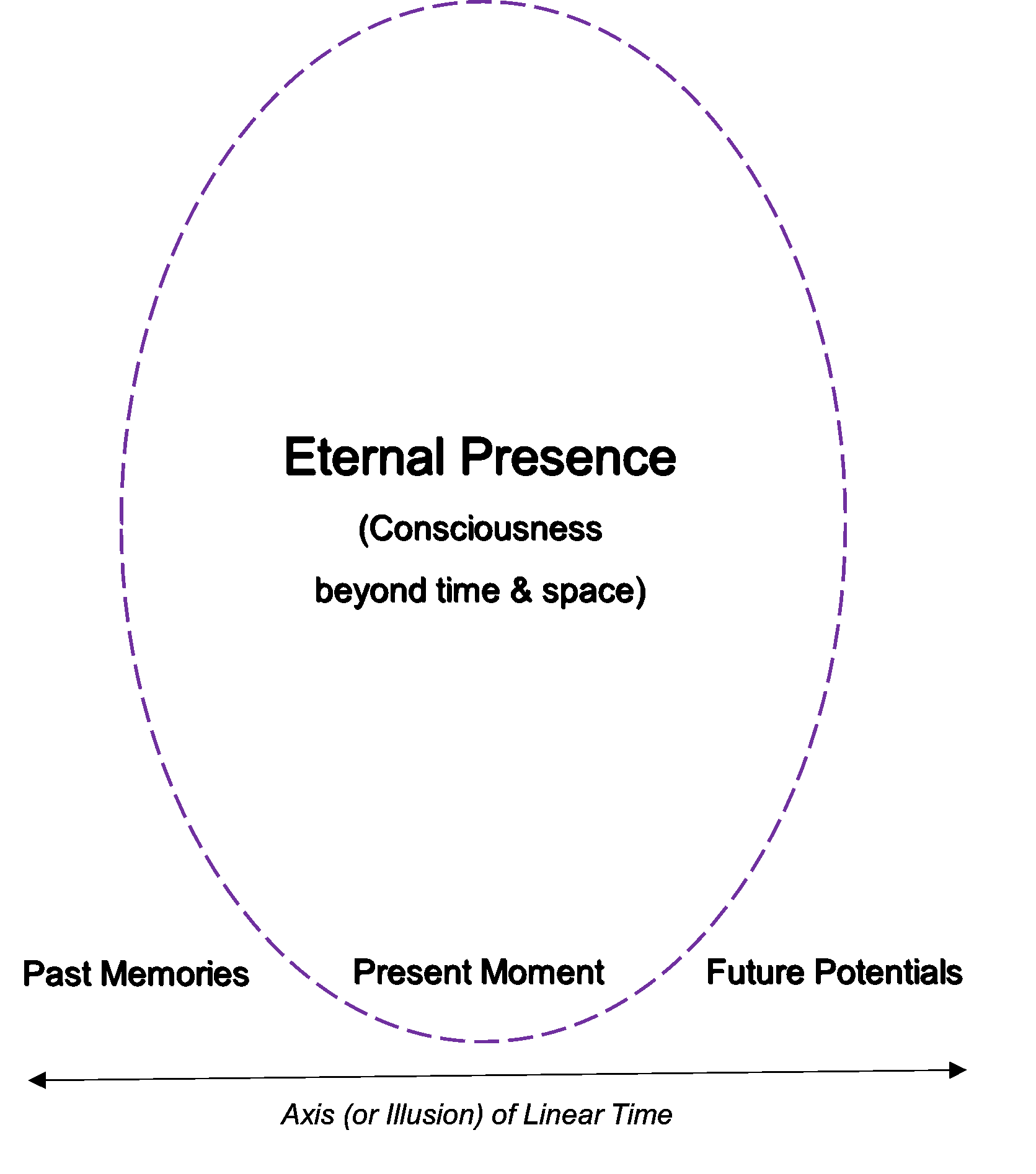
Our Natural Self Having let go of all that gets in the way (see also Self-Concept - The Images We Project To The World & Who We Are) we may be in touch with the significance of who we actually are and want to express our naturally inclined, deeper self, a place beyond thought and feeling, the essence, core of who we are by default - our state of acceptance, being rather than state of mind.

Inner Flame Our inner flame can be experienced as a small pilot light yet other times burning within like a mighty fire, consumed by passionate desire to choose who we really are, aligned to our Self as opposed to who we take our conditioned self to be, so we bring what was unconscious into consciousness. The process of therapy may include facilitating reigniting and kindling our own inner flame, so our emerging purpose and Self is realised. (See also Life's Journey, Initiations - Connecting To Our Own Inner Journey, Direction & Creating Our Own Destiny)
'What day is it?', 'It's today', squeaked Piglet. 'My favourite day', said Pooh.A.A.Milne
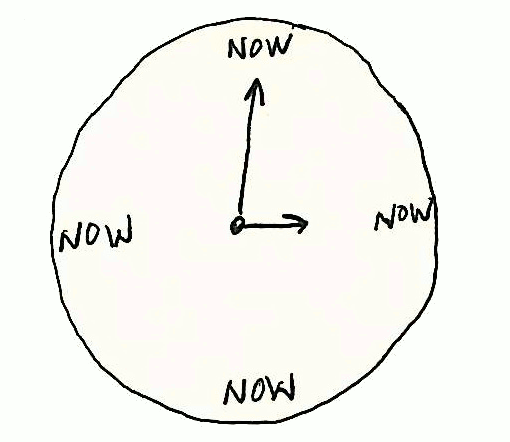
Letting Go - Being In The Now, Being Present In The Moment, Our Present Moment Experience (PME) All experience is now, then all this becomes past, yet we may remain or live from there or be stuck in our head, missing out our precious moments, because we are so busy. Alongside our past experiences that live in the present moment so too does our psychological future (see also Becoming Our Vision, Visualisation, Envisioning The Reality We Wish To Be True). We can also frequently find ourselves wrapped up somewhere else or believing we will get there one day, so we only partially experience the here and now (which is what we can be sure of) - see also Lost Or Stuck. Our mind can go off somewhere (see also Stuck, Fixed Somewhere Between The Past, Present Or Future), have unnecessary thoughts and it can be beneficial to step out of routine, free our mind, stay present in our body with what is happening right now and what we do (moving our body can also assist us being in the moment), remaining centred, grounded, anchored, attentive, fully awake, seeing things with fresh eyes, new insights, perspectives, open to spontaneity and surprises and interacting with everyday life - relishing moments, seizing moments. This can free up our approach and decisions, as we can for example explore what would be the most kind or loving way of responding. Yet also we cannot be in the present moment and experience inner peace unless we are also willing to feel the painful, existential feelings of life. When we are mindful - actively present, let things be with open attention to who we are, moment by moment, accompanying ourselves, taking personal responsibility, we may no longer have a sense of missing out on things (see also putting off life until tomorrow, once I have done this or that). It may be the small things don't matter any more and never did as we catch the moment "I exist", nothing to do with proving our worthiness or achieving success or taking something in. Getting familiar with inhabiting the strength of the present moment (where the benevolence of nature, acceptance of "what is" and our personal power live) may help us feel connected to awe and wonder and being in the moment supports our momentum. When we are present in the moment - where our life occurs (internal presence), we are in touch with our physical sensations, senses, emotional feelings, our mind, choose our intentions and feel connected to what engages us (see also Setting Boundaries Psychotherapy - What We Resonate - Noticing Our Energy, Vibration, Energy Inside & Outside Of Us). Being in touch with our inner direction may become important. In tune with us and the wider world, stepping outside ourself, we may also realise that there is more to life than only what's happening to us at the moment. Sometimes sitting quietly, being still inside our mind - allow our mind to simply be, letting everything else remain outside (e.g. stress, fear or anxiety), watching and observing the mind like an objective witness can enable us to be aware of our emotions, with a sense of wellbeing, rest, calmness, at ease and at peace (peace of mind), that all is well, rightness. In this space of simply being "me", sensing our aliveness, we may be still and in our stillness - looking for nothing other than just being present, being in the now (Carl Jung put it "we cannot live the afternoon of life according to the program of life's morning, for what was great in the morning will be little at evening and what in the morning was true, at evening will have become a lie"). We may experience the energy of love. Some may have peak experiences, a sense of timelessness, as if there is a close connection to our past, present and future potential. This for some may lead us to having existential concerns. In our stillness, we may be in touch with our hope, what deeply matters to us, sense of commitment, need for action. And when we are putting our full attention into doing something, our "being" can be present (see also Frozen In Time, Locked, Trapped, Fixated Only In The Present Moment, Accompanying Ourselves "In The Moment" With Awareness, Presence, Imagination, Reflection).
If not now, then when.Hillel The Elder
The beginning is always today.Mary Wollstonecraft
Letting Go Of Our Attachments, Over-Identifications Keeping everything we have may sustain our emotional neediness and we may want to practise giving some things away, whether it's our knowledge, skills, compassion, items, etc. Control may be a concern for others - we may believe that if we don't get what we want, we must suffer (or feel like a victim to things). And even if we do get what we want, we may still suffer, because we can't hold onto it forever. Letting go of what we are wrapped up in, over-identified with, our attachment to goals may be challenging for others, especially when our sense of worth is attached to this. Also letting go of the concept of non-attachment (or denial, suppression or repression of our impulses, urges, passion, aspirations, imagination, need for connection) may also be important for some. Being in our own ground in touch with the facets of our own personality, our intrinsic worth and own power, (and a higher power, religion if that is our choice or belief) and being with supportive others may be important for us, alongside being in touch with a our own way of loving and being loved. Our attachments issues now may be connected to earlier attachments. (See also Identifying, Disidentifying & Integrating All Aspects Of Us)
Spontaneity & Surprises Routines have benefits, they create structure, help us form new habits. However switching up routines can also lead to more energy, greater focus and creativity. Seizing the day, being in the moment, stepping out of routine at times, allowing for (both pleasant and unpleasant) surprises, being spontaneous, may be important. Being less in our head, tuning into ourself, allowing ourself to be surprised, spontaneous again, improvise, utilising our intuition, gut feelings and change what we need to change, may be missing for us (maybe lost innocence of childhood). Stuck, lost, low in our life, being bored, cynical or sarcastic or holding a "seen it all attitude", we may struggle to notice or allow genuine surprise, spontaneity into our life - those moments of uncertainty, freshness, allowing for the unexpected. Giving ourselves permission to be spontaneous, be surprising and open towards surprises, can enable us to feel more alive. We may have allowed past wounds, hurts, pain to close this almost innocent part of us inside down. Risking spontaneity again in our life, allowing for the unpredictable and unknown, being surprised (and open-heartedly offering surprises) may loosen us up, alongside being playful, light-hearted, having our sense of humour. We sometimes have to plan, organise activities, yet can also leave room for spontaneity - have the freedom to play and do what we feel like doing, so we don't over-plan. Some may have an important need to be in control or be controlling in our relationship in order to block off spontaneity, surprises. Catching ourselves unawares (as if something new comes in) we can be surprised when previously unconscious aspects of us emerge. Not shutting these previously dormant parts of us down can support our spontaneity, ability to be surprised. Being surprised, if only we allow this, can be seen as a primary emotion. We can sometimes overlook opportunities to be spontaneous, take initiative to surprise people in our life, which boosts our elevated moods and help build stronger connections with others. These don't have to be kept for special occasions or be expensive grand gestures, and can be more about showing interest, paying attention. We may want to feel freer free from social convention, inhibition, able to exercise our free will.
Remember, remember, this is now, and now, and now. Live it, feel it, cling to it. I want to become acutely aware of all I've taken for granted.Sylvia Plath
Carpe Diem - Seizing The Day Life has endless possibilities yet some of us may feel lost, stuck, procrastinate and we can choose whether to become a passive observer in life or choose momentum, involvement, action, seizing opportunities, making choices, fully experiencing life, expressing our full self, being spontaneous, living in the moment, feeling alive.
Life is what happens to you while you are busy making other plans.John Lennon
What Is Being Communicated - Listening To Our Inner Voice Some of us can live our lives as if from a script - a narrative of our own making. We may also be familiar with our internal dialogue - which can drown out our own inner voice. We may have a dialogue in our head between one side of us of a more critical, judgemental nature - often more dominating and the other part of us with a second, kinder voice - a place of unconditional love. As we relinquish what we no longer need to hold on to, when our mind is quiet, we may experience a place inside of us, closer to us, often a quieter still voice of wisdom which has been there all along (see also Connecting To The Innocence Of Our Childhood - Our Child Within), that we want to make more time for. (We may be more in touch with our inner voice when we have a difficulty, crisis, a death when alone, in silence, stillness or very at ease with ourself, e.g. through mindfulness meditation.) This more peaceful, voice, patient, free of anxiety, may be experienced as more from our heart, the voice of our Self. We may want to choose to follow our own path through coming home into ourself, listening, trusting and making time for the voice of our higher self - this more caring, guiding, compassionate, loving, maybe intuitive sense of ourselves - what we are feeling, needing, sensing, want from our day and life. In touch with our conscience and personal integrity, speaking our truth and being in touch with and asking for what we need, how to know, name and respect our needs - speaking up for ourselves and letting others, our partner know what works best for us may matter to us. When in touch with the connections we make (symptomatically and energetically) in our body and senses, feelings, mind, and imagination, deepening our awareness, we may question what is it that guides us and want to reflect, be mindful. Experiencing this voice from the Self - our heart, may for some lead to what we truly desire or for others, spiritual enquiry.
Listening To Ourselves No longer abandoning ourself (see also Finding Out About Ourself), and being in touch with our familiar feelings (including those uncomfortable ones), emotional intelligence, thoughts, beliefs, internal dialogue we may also want to consider other aspects of listening to ourselves (and others), listening to, through:
- The place we are identified from
- Our inner child
- Our intuition, gut feelings
- What our heart is telling us
- The energy of love
- Our desire, passion
- Our senses
- Our own energy
- The energy of nature in all its forms
- What we might need to learn
- Our self-reflection
- Our inner wisdom
- Our guidance, truth
- Our conscience & personal integrity
- Our values & goals
- Our inner voice, higher self
- Evolving consciousness
- Our free will
- Our soulful qualities
- Our intention

The Power Of Surrender, Release & Liberation, Allowing For The New To Emerge The power of surrendering doesn't mean defeat, giving up or giving in - it's more about remaining in our power, deciding not to fight with ourselves, others or life, dropping, dissolving our defences when we need to, giving up our resistances and surrendering to our deepest desires, purpose and becoming who we really are - our essence. And this surrendering of our ego, our need to control releases tension, restores inner peace. We may want to openheartedly surrender the need to love through control. Allowing or surrendering to these aspects of ourself (without giving up and taking action when we need to), letting down any unnecessary walls of protection, patterns in our life when we also need to, as we surrender to something larger than us, the bigger picture (e.g. nature (the image of an oak tree and willow tree may come to mind), our relationship to the universe, spirit) helps us grow. Some of us have found the value of surrendering our helplessness over to the power of our religious faith, spirituality, god, consciousness, the universe, asking for our resistances to be transformed through peace, love, acceptance. There are times when we need to push, make things happen, force outcomes, fight for what we believe in, and other times acknowledge that some battles aren't worth fighting for, to surrender to trusting in the best outcome, acceptance of "what is", life's existential dilemmas, uncertainties, our own helplessness. Letting go of any resentment, bitterness, etc., our fear based thoughts, need to control everything, can be powerful and liberating for some when we forgive what we need to forgive, hold gratitude and simply accept what is (free of our "should", "shouldn't", "ought", "must", "never", "always" beliefs). These serene moments can be like an inner bonding - bonding us with ourself and others. And when we surrender, this can also affect our creative ability to compromise. In a time of personal transition or transformation, we may be more attuned with ourself, our free will, fully experiencing what is before us (that we are the experiencer of our experiences), our senses and others, being empathic, responsive, able to trust, be more in touch with life, feel separate yet also connected, open, vulnerable, strong, whole and with other "yet to be discovered" qualities. Knowing ourself, and that we are more than our ego, may mean we experience life unfolding for us, our true nature, as we question consciousness itself, beyond our own personal consciousness. We may have a strong sense that not only do we matter, but also what connects us to the wider world. Liberated, we may also seek deeper connections with others in the realisation that we are a part of a greater whole. Some of us may experience a Love or Will that be not only personal. This sense of continuity and state of internal presence, experiencing things as they happen, moment by moment (see also Present, Past & Future), aliveness, can be described as being in touch with our will, or a will beyond us, as if we are being will. This sense may support us in deciding where we put our attention. Some experience this release of unhelpful, old ways, as then being in touch with our own conscience, integrity, serenity or a spiritual realm - surrendering to this and being in touch with our deepest sense of Self. Without abdicating personal responsibility or sacrificing ourselves, we can hold our head high, remain centred, anchored, grounded in our body. As we let go, honour our experiences, intimacy and truth, we can simultaneously be in touch with our resilience and personal boundaries, alongside our intent to be open, learn. Just being in our being, we may open our heart - surrender to love, nature, allow for existential issues and for the new to emerge through envisioning this.
I long, as does every human being, to be at home wherever I find myself.Maya Angelou
Inner Authority, Own Authority
Being who we are, independent in our own inner authority, self-governing, anchored, centred, standing in our own ground, listening to and speaking our own truth, without blindly doing, following, obeying what others want us to do, giving ourselves permission to walk our own walk (no longer live from our eternal child), being the author of our own life may matter to us. And when we live from our own authority (less dependent on automatically absorbing external authorities or others, approval, affirmation, reassurance, recognition, validation, appreciation, praise, permission, confirmation from others), we are more in touch with and empowered by our personal will, resilience and boundaries, our values, conscience and personal integrity, supported by our intuition and inner knowing - gut feelings, hunches, instinct, improvisation and wisdom. Being in our inner authority may mean we are in our personal power with an established, anchored sense of self as a unique and whole person, taking ownership of ourselves (no longer looking for others to take responsibility for us because we do this ourselves) envisioning our future, following our own path, being focused, having faith in ourselves, in touch with our intrinsic self worth, inner continuity and coherence, our own truth, potency and what personally matters to us, living from a healthy side of being selfish, being individuated. Yet acknowledging life's interconnectedness we are also social beings affecting and being affected by the wider world and the counselling can explore this dynamic further. (See also Self-Responsibility - Building A Healthy Relationship With Ourself)
Personal Freedom, Individual Freedom
Our Autonomy & Relationships With Others (See also Being Autonomous Yet Part Of A Couple) Freedom is a human right which includes expressing our ideas, opinions, acknowledging, accepting our mad, crazy bits (for as Nikos Kazantzakis quotes "A man needs a little madness, or else... he never dares cut the rope and be free"). We all want freedom - not always to do whatever we want, because we know that's not possible, but to free our minds (see also Releasing Ourselves & Letting Go). And this sense of personal freedom can put us in an elevated mood. The less we try to control things, the freer we may feel. For some, the process of therapy is successful when we are freer to choose, less automatically - with our own values, sense of emotional freedom, choosing our intent, who and how we want to be in each moment, individuated, in our own authority, accessing our own (not just automatically absorbing the ways of external authority). And personal freedom may also be connected to our strengths and skills, life meaning, truth, clarity of thought, autonomy, free will and inner wisdom, being both fulfilled (see also State Of Independence) and also in healthy relationships with others for we are both individual and social beings (Nelson Mandela remarked "The purpose of freedom is to create it for others" - see also State Of Interdependence (Coming Together As A Couple Yet Retaining Our Separate Identity)). Our interconnectedness, what the world beyond us ethically means for us may also matter to us. (See also Secure Style Of Attachment/Relating (Becomes Autonomous Style Of Relating As An Adult))
Freedom is what you do with what's been done to you.Jean-Paul Sartre
Our Free Will, Free Spirit
Our free will, free spirit is driven by aspirations, desires, passions, dreams and imagination alongside our sense of wellbeing. Our free will is about our autonomy, individual freedom, yet has a relational value allowing us free to choose intentionally, responsibly in each moment, choose where we put our attention, what we choose to experience. Our self-determined free will is also shaped and constrained by the limits and perceptions of our identity and personality, environment, past and present experiences (including our unconscious processes, the influence of our emotions, etc.) and what is determined outside of our control. We have the free will to be loving or unloving, accepting or judgemental, etc. Do we live by the letter of the law or spirit of the law may be a question. (There is a biblical quote in 2 Corinthians 3:6, "The letter killeth, but the spirit giveth life".
For to be free is not merely to cast off one's chains, but to live in a way that respects and enhances the freedom of others.Nelson Mandela

Free Will & Relationship To Fatalism, Preordainment, Determinism, Indeterminism & Randomness, Karma, Nature & Nurture - Dilemmas, Challenges Certain stages of our physical and psychological development are determined, e.g. baby, child, adulthood. We have the potential to influence certain things, yet can't always determine things, change realities. Determinism can be viewed as events having cause and effect with predetermined factors outside of human control. We are not determined by our past yet influenced by it. However the will is not completely determined (see also Wind Of Change). Some may live life as if it is only determined by fatalism, god (which renders human choice redundant), especially if we feel like a victim to determinism (that absolutely everything, including outcomes, is already preordained, determined without allowing for indeterminism, randomness, existentialism) or fate (what will happen will happen). "Am I ruled by fate or do I create my own destiny?" (see also Becoming Our Vision, Visualisation, Envisioning The Reality We Wish To Be True), "Why is this happening to me?", "Do I have to follow what is determined?" we may ask, as if our destiny is already fixed. We may overlook the possibility of coexistence and how our actions inform our destiny with all its potentials. (Heidegger states: "Only in communicating and in struggling does the power of destiny become free.") Some may believe that everything is mapped out for us - we have no choice or influence, as if our life is predestined, with no option for a range of potentials - that we must live life to a fixed script, narrative with inevitable scenarios or that our environment or genes entirely dictate - that we are helpless pawns and have no personal freedom or ability to respond to the influences of nature and nurture (as if it's nurture versus nature rather than the combination of both) combining to influence us - see also Self-Identity & Personality - Counselling London. In the nurture versus nature debate, neuroscience acknowledges we (and our highly susceptible brain organ) are shaped by the significant influence of our environment, experiences, social, life factors, including any parental stresses. We and our brain are also shaped by the impact of our past (including any non-responsiveness, empathic breaks and frustrations in our early life - see also Our First Relationship - Early Connections & Bonding Patterns). Our life direction is not merely determined by fate, our script, our history, our biology and genetic inheritance. It is said the impact of our ancestral lineage is carried in our cells. Our genes and the impact of our environment, the web of energies therefore interact in multiple ways. Living with uncertainty, the unknown, may be challenging. The quote from a Greek drama (also attributed to Algernon Sidney and Benjamin Franklin) "God helps those who help themselves" refers to the human experience of acting freely. We have an impact on the scenarios we choose, what we envision. In the process of counselling some people may want to explore the notion of what comes around goes around, as we sow so shall we reap - the relationship between their conscious intentions, choices, actions, the law of cause and effect and what is called "karma" - how the natural law, nature of our intentions from our past determine what happens in the present, that what we give out, we receive back - the effect of our actions and reactions, the cause and effect (that for every action there is a reaction out there in the world). Linking pre-life and afterlife, "karma" in certain eastern religions (e.g. Buddhism, Hinduism) hold a narrative of "karma" through reincarnation, where actions in our current life have repercussions in our following life. Some may also want to explore how this affects our own path, life's journey or spiritual path and whether we should just let "karma" sort everything out for us. And many of us hold views that there is no good or bad "karma" - that there are only effects or consequences. (See also Listening To The Evolving Unconscious)
We can't direct the wind, but we can adjust the sails.Thomas S. Monson

Free Will & What May Be Happening Inside The essence of free will is being able to choose our intent. If our free will is captured, it can be as if we are living with a handbrake on. For some our esteem or sense of helplessness or powerlessness may inhibit our personal will and choices, holding a sense of impending doom, we may have got into the habit of only playing things safe. Life may have become mundane because we have allowed it so and we may have lost our ability to change our mind, express our carefreeness, playfulness, sense of humour, creativity, respond to suffering and love. We may also want to decide whether to use our free will and free choices to determine our character, relationships to open our heart or keep it closed. As a way of sabotaging things, we may have become passive, believing that everything will be OK if we just sit back and only allow life to set its course (see also Magical Beliefs) without actively participating in life, getting involved, utilising our free will. Some of us may wait for opportunities to come along and making the most of these may be important for us. Yet opportunities aren't always handed to us and we may be overlooking where we are right now, what's in front of us, making opportunities happen yet also notice when opportunities simply present themselves in the moment (see also Wind Of Change). We have free will to choose moment by moment, what voice we listen to. Not accessing our free will can stop us taking responsibility for ourself or bring us up against existential crisis. We may have a further need to live no longer from our wounds (or listening to our voice of fear and separation) and be in touch with our free spirit, learning how to let go of control, to trust and have faith.
Everything can be taken from a man but one thing: the last of the human freedoms to choose one's attitude in any given set of circumstances, to choose one's own way.Viktor E. Frankl
Exploring Our Free Will & Its Constraints In The Counselling It is said we have a higher level of free will, that distinguishes us from other animals, which enables us to have a degree of autonomy, self-regulation. Our life is also self-determined through our autonomous free will, in the present moment, and it is this sense of self (with the capability to rise above influences, seIf observe and act in the world) inherent in us all, that I value and work with in therapy (see also Facets Of Personality, Character). Although much of our biology is hardwired, many things in our life are uncertain and some of us may struggle with uncertainty, the unknown, where outcome cannot always be predicted and we can't control not only outcomes but others. The role of chance, serendipity (how random events can shape our life), nature and fortune accounts for much of our existence (see also Free Will & Relationship To Fatalism, Preordainment, Determinism, Indeterminism & Randomness, Karma, Nature & Nurture - Dilemmas, Challenges). We also have free existence, free will, where we can deliberately, consciously choose (see also Willpower - Setting Our Intention), freeing ourselves from the ways things have been, starting new chapters in our life, taking control. Freeing the will, disidentifying may be important. Releasing ourselves and letting go, freeing ourselves (see also Unhelpful, Redundant, Inhibiting Rules, Loyalties, Oaths, Sacred Cows, Obligations, Duties, Taboos, Cultural Conventions), may be challenging for others alongside in relationships the balance of being autonomous and part of a couple. Aligning our will to include love may be a different need for others, as may anchoring, centering ourself, committing ourself to aspects of our life we value. The counselling and psychotherapy offers support in acknowledging our independence, recognising our free will, enhanced by our imagination and the choices we make - that as we are, so we affect things, so we know (or have an idea of) our destination, take charge of our destiny and make things happen to get there, therefore the therapy may also explore how free our choices and decisions are (see also Role Of The Unconscious - "The Yet To Be Revealed"), our curiosity, passions, desires, who and how we want to be in each moment, whether open or closed, loving or unloving, controlling or not, our degrees of self-control, etc. Acknowledging our qualities, how we choose, experience, respond and act out in the wider world affects our future.
Freedom comes slowly at first.Brian Keenan
Meanings, Meaningfulness, Meaninglessness
We Are Meaning-Making, Forever Making Meanings And the therapy process explores what is personally meaningful in our life, including:
- Meaninglessness, The Absurdity Of Our Existence - Living With The Absurd
- Genuine, Meaningful, Authentic Connections, Engagements With Our Self & Others
- Small Talk, Surface Level Conversations & Meaningful Interactions
- Intrusive, Invasive Thoughts, Unhelpful Habitual Thinking Patterns, Unproductive, Negative Thoughts & Their Meanings
- Interpreting Dreams - Meaning Of Dreams
- Seeking Deeper Meaning
- Evolving Consciousness - The Meanings We Make
- Relationships - The Meanings We Make Of Conflicts or Disagreements
- Relationships - Sharing (Not Necessarily Agreeing With) Each Other's Vision Of The Kind Of Deep & Meaningful Relationship, Marriage We Really Want
Energies
Energy is everywhere in life (the energy of our thoughts, feelings, body, sexuality, spirituality) and the process of therapy can include exploring these different energies:
- What We Resonate - Noticing Our Energy, Vibration, Energy Inside & Outside Of Us
- Energy of anger
- Emotional Responsibility, Emotional Energy, Emotional Health, Emotional Wellbeing, Emotional Evaluation, Emotional Strength, Emotional Resilience, Emotional Intelligence, Emotional Growth, Emotional Maturity - Being Emotionally Connected
- Harnessing, Protecting Our Mental Energy
- On The Receiving End Of Someone's Negative, Draining Energy - Our Initial Reactions
- Powerfully Transforming Our Responses To Negative Or Draining Energy Aimed At Us
- Low Energy, Depleted Energy, Lethargy, Tiredness & Fatigue, Exhaustion
- De-pressed energy
- Low energy, depleted energy, lethargy, tiredness and fatigue, exhaustion
- Responding To The Energy Of Our Painbody
- HSP Counselling - Giving Our Power/Energy Away?
- Radiating Energy Or Draining Energy
- Articulating Our Options - Responding To Others Coming From A Wounded Place, With Negative Energy Aimed At Us
- Energy Of Love - Being In Touch With A Real Love
- Energy Of Love In Our Relationship, Marriage
- Being Emotionally, Energetically Connected As A Couple
- Sexual Desire, Energy, Passion, Eroticism, Imagination, Fantasy, Drives, Urges, Impulses
- Masculine, Feminine Sexual Energy
- Sustaining, Channelling, Harnessing, Following, Expressing, Creating Our Sexual Energy, Passion, Desire, Spirit, Affection
- Diverting, Changing Responses To Our Drives, Urges, Impulses, Passions, Desires, Aspirations, Energies, Creativity
- Energy of words
- The energy of our intention
- The energy of transformation
- The energy of touch
- Energising our mind
- Emotional energy
- Mental energy
- Instinctual, intuitive energy
- Value Of Nature, Force, Energy, Power & Harmony Of Nature, Natural Resources
- Energy & Quality Of Trees
- Energy of envisioning things
- Ethereal energy, universal energy (what some people call quantum physics)
- The energy of attraction, repelling
- Energy manifestation
Role Of The Unconscious - "The Yet To Be Revealed"
... more about consciousness and unconsciousness
FAQs about the Process of Counselling in my London practice, based in Kings Cross, Camden:
- What is the process of counselling in London?
- How effective is the process of counselling in London?
- What is the frequency of counselling in London, Kings Cross?
- How many counselling in London sessions do I need?
- How much does counselling London cost?
- What is relational therapy?
- How effective is relational therapy?
- Must I visit your London counselling practice in Camden or do you offer Skype counselling, online counselling or Telephone counselling?
- What are the advantages and disadvantages of offering online counselling, Skype counselling or in-person counselling in London, Camden, Kings Cross
- Do you only offer counselling in London, Camden or Kings Cross?
- What times do you offer counselling in London, Kings Cross or Camden?
- How do I contact a counsellor in London, Camden, or near Kings Cross?
- How effective is counselling in London, Kings Cross, Camden?
- What can I expect from the initial session of counselling London?
- What to expect from the other counselling London sessions?
- What is the typical duration of the London counselling services in Camden, Kings Cross
- What is relational therapist?
- How effective is a relational therapist?

