


Counselling & Psychotherapy considers:
Our Relationship To Our Past, Present & Future
Putting Our Attention, Thoughts, Feelings Energy Into The Future, In The Past, In The Present Some of us can be overly focused on the future - maybe thinking of anticipating future outcomes, trying to forecast what outcomes will be, rehearsing scenarios, wishing our time away (see also Living With What's Impermanent, Unknown). Others' attention may be overly focusing on the past-ruminating, holding regrets, replaying, revising, dwelling on the past, living from it. We may want to be more present - being in the moment without holding onto the past or forcing the future, experiencing life as it is, fully appreciating our life and relationships, reflecting and envisioning our potential - for our future (as well as our past) is alive in the present and the actions we take now impact our future life. We carry not only our past, yet also our present and future self with us, wherever we go. Who we were in the past, blends into who we have become and who we want to be in our future. Some of us may need to forgive, accept and love each version of ourself -thanking our past self, having faith in our future self and enjoying our present self. (See also Our Past, Present, Future)
The time (sponsored by consciousness) is now o'clock
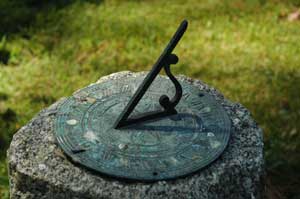
Concept Of Time, Time Passing The symptoms we bring to therapy now may not only be reflection of our past, but also point to our future potential. Some of us have a difficult or different relationship to time. For many of us time is a mystery, it slips by, and we may experience linear time blindness, where we don't track time, wondering where are we in time, as if we are more in space than time. (Our age too may not feel easily tracked, as Donald Winnicott, the psychoanalyst, quotes: "People are not just their own age; they are to some extent every age, or no age".) Sacred legends or myths ("once upon a time", "long ago in a far away land") encompass all time, past and future, cosmological and geological in what has been called "deep time". Latin prayers use "Per omnia saecula saeculorum", which roughly translated means "Through all the ages of ages". Time passes (see also Internal Interconnectedness - Connecting Consciousness To Our Past, Present, Future, Sensing Our Aliveness, Space Beyond Us). It can seem to speed up and fly, race ahead (e.g. when we are having fun, caught up and involved in an activity), go so slowly (e.g. when we are bored or waiting for something to happen) or stand still, expand in certain moments (e.g. as we sense ourselves, free of doing things, meditation), contact with others, when we are engaged in things or in a rush. Our experience of personal time can be perceived, experienced as standing still, having all the time in the world, to running out, flying by. (Others may "kill time" - fill it up with unsatisfactory experiences rather than experience things we enjoy.) The readiness of time - when the time is right and sensing this, may play a part in our life, as if waiting for will to be aligned (see also Wind Of Change). We can make an enemy or friend of time and the quality of patience may play a role. There are different forms of clocks, cycles which impact upon how we view and experience time. We can be affected by astronomical, biological clocks (our bodies have their own sense of interior time), nature and the seasons' cycles (which have their own different realm of time). On the one hand time is simple, concrete and rigid - we just look at a clock (which relates to the earth and sun) and it tells us the time. This cognitive, linear usage of time (past, present, future) tends to be more fixed, and goal driven. Yet when we are immersed in something, however trivial or profound and our very being is engaged (being with time and our sense of internal presence), we can be in a different zone, timeless space, as time melts, slows down, until something brings us back or we end the activity. Oceans of time can seem more fluid and subjective, as our mind expands in time (the wisdom of indigenous people knew this well). Our sense of time is not always "by the clock", and can be experienced as past, present, future with separate, yet connected converging dimensions, with the present containing not only the past, but also the future within it (as an acorn has the potential to become a tree). In moment of our actual lived experience (see also Being & Doing - Dilemmas We May Hold) and perceptions of time, especially in certain moments, experiences in our life, time seems layered, variable and to have the effect of being elastic - stretching and bending, opening up a different formless space (consciousness and when, for example, in deep meditation we may become aware that we - our Self - are not the body, that we exist outside of the body as consciousness). This can occur through mindfulness, meditation, daydreaming, sense of interconnectedness, peak experiences and shows up in myths, legends. Counselling and psychotherapy can offer a space to explore the impact of our conscious and unconscious processes - imagination, dreams, daydreaming. For some of us it can be as if we become pulled into a big time, a space encompassing geology, cosmology, all time, of all ages - past and future. The practice of soft living powerfully may also put us in contact with the precious commodity and quality of time.
What is this life if, full of care,William Henry Davies
We have no time to stand and stare.
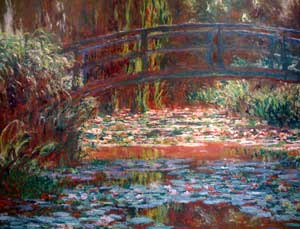
Time, Caught Or Lost In Time, Daydreaming, Idleness, & Mindlessness The potential to stop and do nothing, be in our thought-free self, letting our thoughts just wander, being mindless, daydreaming (or carrying out many repetitive tasks) can often be undervalued in our culture obsessed with productivity or solely upon a plus side of mindfulness. Some may daydream through boredom, others to problem solve, just recharge our batteries, or think about the past (maybe re-living what happened a long time ago in some ways now), reflect upon the footprints we've made, yet to make and imagine or yearn for our future (maybe trying to control our future or envision it). Sometimes when taking downtime through daydreaming we are in touch with our being through our doing. Affecting our awareness of time, most of us have periods of idleness, incubation when we "zone out" - allowing our mind to wander (see also Wandering Mind, Monkey Mind), getting lost in our thoughts and see what happens. Idleness can allow us space to soothe and explore, expand our mind. Daydreaming can be aspirational. Our daydreaming and quiet thoughts often in silence can let our mind wander, give it space (maybe change our concept of time), help us switch off, relax, give us peace of mind. When we daydream we have the potential to play with things and suppose things in our mind (e.g. "I could do this..., supposing this happens..." ), help us reflect, be mindful, replay things, evaluate our and others' emotional reactions. Daydreaming can facilitate our imagination and creativity, fantasy world (see also Sexual Imagination, Fantasies, Daydreaming), help us consolidate and improve our memories - reviewing the meaning of our experiences, assist us in seeing other perspectives and possibilities, helping us solve problems, allow for ideas, clarity to emerge, consolidate our learning, support our moral reasoning, be in touch with our compassion and prepare us for the future. Our daydreaming can be experienced as the bridge between the unconscious and our conscious selves (see also Internal Interconnectedness - Connecting Consciousness To Our Past, Present, Future, Sensing Our Aliveness, Space Beyond Us). Engrossed, we may lose our sense of time, get lost in time, caught, affecting our consciousness, as our concrete world transforms to a more imaginary world and points towards deeper meaning. We may also have learnt to daydream as a child, as a way of coping with uncomfortable feelings, which may have taken the form of magical beliefs, magical thinking. And for some we may daydream, as if on autopilot affecting our focus, attention, concentration (see also Dyslexia Counselling London - How We Best Learn). Daydreaming for others may be a way to avoid feelings (maybe numbing them, closing them down), and we may have abandoned ourself, become lost or stuck, procrastinate (maybe having time management problems), remain drifting along in a dream-like state. When we daydream, we can allow our mind to float off and some may struggle to bring it back and reflect. Our scripted daydreams can be a way of keeping us from the present and cut off our creative imagination or mindfulness. We may replay old memories or worry about future scenarios. Daydreaming may hinder our achievements and we may have a tendency to be more of a dreamer than we would like, struggling to bring our dreams into form. Some of us can be trapped in our daydreaming world.
The best time to plant a tree was 20 years ago. The second-best time is now.Chinese Proverb

Stuck, Fixed Somewhere Between The Past, Present Or Future Stuck in some sort of time lapse, if we are thinking about our past (maybe lost in disappointment, regrets), thinking about what lies ahead, future fantasies, burdened by irrelevant thoughts, stuck in our heads and rumination, we may bypass the experience of what is happening now. (And living in the moment, without awareness, reflection may present its own challenges.) Our past is also alive in our present and we may for example have grief for what has happened in the past (be fearful of the future), which stops us living in the moment (see also Self-Trust - Trusting Our Self, Our Innateness). Revisiting past memories can be a good thing - keeping them alive. Yet some of us may keep revisiting the past (maybe struggling to learn what we need to learn), and our memories can colour our present feelings, thoughts, and reactions, determining our future. Yet we are not our past. Fear of dying may also play a role for some. This fear and grief can stop us living in the moment. Some of us may deny time passing (or fear death - so wanting to externalise the present, yet we may become frozen in time). Echoes from our past and future scenarios, hopes, desires, anxieties, fears, traumas, etc. may cloud or shape our present and who we are now (and similarly, our present thoughts, beliefs, feelings may be influencing our perception of our past and how we live our future). Some of us may view the present as an obstacle in the way - something we have to get through to live our future (wishing our time away until...... filling the blanks), which never seems to arrive. Watching ourself from afar, all this dwelling on our past, overthinking, fretting, looking forward and speculation about future outcomes (maybe always trying to work out, anticipate all possibilities, including worrying about what might get in the way, go wrong) or backward can stop us living and acting now, valuing the present (and our time), as if we are waiting for life to start, rather than begin our future by doing something in the moment (frequently benefiting our creativity), having clarity, peace of mind, so we accompany ourself in the present moment into our future, trusting life. (See also Releasing Ourselves & Letting Go)
What lies behind us and what lies before us are tiny matters compared to what lies within us.Ralph Waldo Emerson
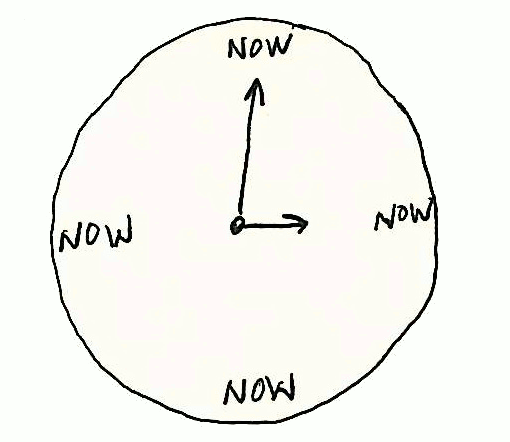
Frozen In Time, Locked, Trapped, Fixated Only In The Present Moment, Accompanying Ourselves "In The Moment" With Awareness, Presence, Imagination, Reflection Life is unpredictable and some of us may only want to experience the spontaneity of the present (frequently benefiting our creativity), that everything is only about right now and so immediate, experiencing what reality is moment by moment - what we so preciously feel in each moment, without thinking about the context, any consequences. Yet we know there is more to our life than only what's happening in the moment or in the instant as if short-termism is everything (see also Taking The Long Way Home). Anxious inside and stuck, trapped only in the moment (or to remove any pressures, overwhelment) we may go to a safe, familiar place (often daydreaming), struggle to think ahead for more than a minute (maybe losing a sense of time) and shut ourself off from doing important things, procrastinating (often over time management), as if our will is trapped. In our impulsivity (see also Counselling For ADHD, Counselling For ADD - Familiar Experiences) we can feel stimulated only by the immediate and react, respond without thought, reflection. As if life is only a sprint, we can do things for the short term, present benefit, yet future detriment. We may have a tendency to act on any impulse or compulsion we have (maybe oversharing our thoughts, feelings), struggling to have awareness, learn what we need to learn, make meaning of our past or present experiences (see also Mindfulness). We may also believe that being real, authentic means that we must follow our initial feelings - share them all, our basic impulses, urges, give in to bad motives, because they exist, which can ultimately be self-sabotaging. It may also be important for us to utilise our capacity to reflect, have free will to look where we have been, decide where we want to go, have perspective, plan, have presence or think about our future aspirations. It can be a conscious challenge to allow ourselves to experience life simply as it is, deciding where to place our attention, be present with our self in the moment, reflecting on our past and forming our thinking about our future and potential when we need to and take action. Deep grief can keep us locked in the present moment and we may experience time blindness (locked out of the past, future), yet we may feel frozen inside. Time can merge (as if stuck in a daydream, every day merges into one), when the past, present and future conflate as one, and for those of us traumatised (it may be as if we space out, tune out, go numb, numb our feelings, are in a daze, experience lethargy - close off, shut down, bottle things up, switch off) as if there was no yesterday, tomorrow. The therapy may include expanding our imagination, activate the experience that the past is different to the present and future, and that our imagination can let us see ourself on paths not yet written, or to re-write ones that we believe were unchangeable by re-conceptualising the past, future and our own word internally, so we can see new possibilities, paths, feel liberated.
We had the experience but missed the meaning.T.S.Eliot

Remembering - Choosing How We Look Around Us Now, How We Look Back & Ahead In some similar ways to selecting a film and replaying the movie (including the type of film and scenes we are drawn to), we may want to consider the memories we choose, learning what we need to learn. which best suit our purpose now - our options for editing, deleting, saving, replaying our memories. We may link our identity to our memories, as if this is all of who we are, yet as we remember things, we are able to reflect. This experience of our self reflecting alongside appreciating what surrounds us now, the nature of our free will, what next steps propel us forward without fixed scenarios, can be explored in the counselling and psychotherapy. When looking back we may choose to do so with regret, guilt or with some appreciation. When we remember things, it can be as if we are re-remembering them often connecting and building layers upon layers to the last time we remembered this, and as we re-account things now, look on, the narrative changes, affecting us. Our own story is unique,capturing significant events, like life experiences and also about who we believe we are. The story we tell ourself may limit us, hold us back. We may want to unwrap ourself from our story, reminding ourself that our story is still unfolding, to choose whether we live within or beyond our story. What happened, has happened, yet through the passage of time how we narrate our story of what happened may erode, slightly shift or be embellished, as may the quality and strength of emotions attached to our narrative. Revised versions of our story may emerge as we move away from being stuck in the past. As we re-tell our narration about things that have happened, it can be as if we are also adding to the story of our self, making meaning, forming a part of our identity, especially when we have a lot of emotion, imagination invested. For some making associations can be an enriching experience, yet for others, not so (we may for example have experienced trauma) - see also Repetition Compulsion. Rewriting empowering stories now may support us.
Who knows where the time goes.Sandy Denny
Our Personal Narratives, Scripts, Remembering - Old Emotions, Current Emotions There are so many different ways of telling the story of the same life. We can forever tell ourselves stories of what's happened, what's happening, what's going to happen and these stories shape how we experience life. Sometimes we may want to remember things, which portray us in a certain light. As well as the weighting we put on things, our memory can also be influenced by our current emotions and moods (old hooks, triggers and buttons pressed). Alongside the benefit of hindsight, memories of our past may also influence how we look into our future (see also Impending Doom, Sense Of Dread, Catastrophising, Awfulising), imagining it (e.g. what's progressive, regressive including any learnt helplessness), as we speculate what may happen and then living it (see also Unhelpful Memories, Dwelling On The Past). For some it can seem as if we are enacting scenarios, have become the actor in our own play, taking on certain roles, re-enacting things now (see also Early Unconscious Agreements, Beliefs & Trauma), adhering to some sort of life script (maybe beliefs about ourself and the world from decisions that we made at key moments in our life) influencing our sense of identity, how we navigate through life and for our future, as if our future life story is written in tablets of stone - see also Our Free Will, Free Spirit. (It can be as if we are almost watching ourself doing what we are doing from our script and we can also play out a drama in our relationship.) Turning prediction into facts, we may want to notice how we tell our story, which also influences how we feel, think and act now (see also Projecting Onto Others). In the roles we take on - including those in our relationship, our relationship style, it can seem as if we are in a drama. It may also be important to reflect upon, be in touch with the sources of our motivation, some of them previously unconscious. Not only does the script about our past get edited, so too do we have the potential to change our future script (see also Becoming Our Vision, Visualisation, Envisioning The Reality We Wish To Be True), by the decisions we make, the narrative we tell ourselves (we may believe our myths), catching our internal dialogue (is it negative / disempowering, positive / empowering) and any magical thinking, so we are the author of our own life. Choosing to edit our stories in meaningful, empowering ways may support us. As our beliefs and emotions change, so too may the narrative we tell to ourselves (which can also influence our ability to forgive ourselves or others). We may therefore allow old emotions to take us over (see also Repetition Compulsion), which in turn can trigger old thought patterns, cycles of behaviour, so in the counselling we may notice that by telling our story, whether it's emotionally charged, overwhelming, anguished, repetitive, circular or our narrative is one that lets us put the pieces together, be coherent and experience the process of telling our story as restorative. This may entail utilising resilient ways to revise the narrative about our changed life, paying attention to our feelings and what they say about our needs, taking intentional steps to fulfil these, so we are able to overcome any obstacles towards joy and meaning. And it is meaning formed through our narrative, that can connect us to our psyche. Looking forward, we can do so with regret, fear, hope, fresh eyes, confidence or purpose. How we look around us now, in the present moment, we may for example choose to blame or accept things as they are, and looking ahead to our future, viewing our present and future as unknown, open, spotless. (See also Our Perceptions, How We See Ourself)
Life can only be understood by looking backward;, but it must be lived looking forward.Soren Kierkagaard
Look not mournfully into the past. It comes not back again. Wisely improve the present. It is thine.Henry Wadsworth Longfellow
Go forth to meet the shadowy future, without fear.

Being Connected To Who We Are In Relationship To Our Present Situation, Past, Future Counselling and psychotherapy provides a space for these aspects to be explored further, offering support in understanding our present situation and the impact of our past, learn what we need to learn, so we are empowered to consciously create a different future (freer of the need to control it) in each moment, without necessarily ruminating about our present, past or future (if for example we live or replay the past, our future may resemble or mirror our past). The therapy can support our connection to our past, present and future potential, other people and the wider world. How connected we are to our self - who we are in our own ground, not just reacting to our past, present or future worries, may be important, so we don't waste our time trying to predict the future. It may now also be important for us to take responsibility for who we are, what we've done, who and how we want to be. Fully experiencing life, being connected to ourselves and others may be important for us (see also Aloneness, Loneliness, Emptiness, Alienation).
We shall not cease from exploration, and the end of all our exploringT.S. Eliot
will be to arrive where we started and know the place for the first time.

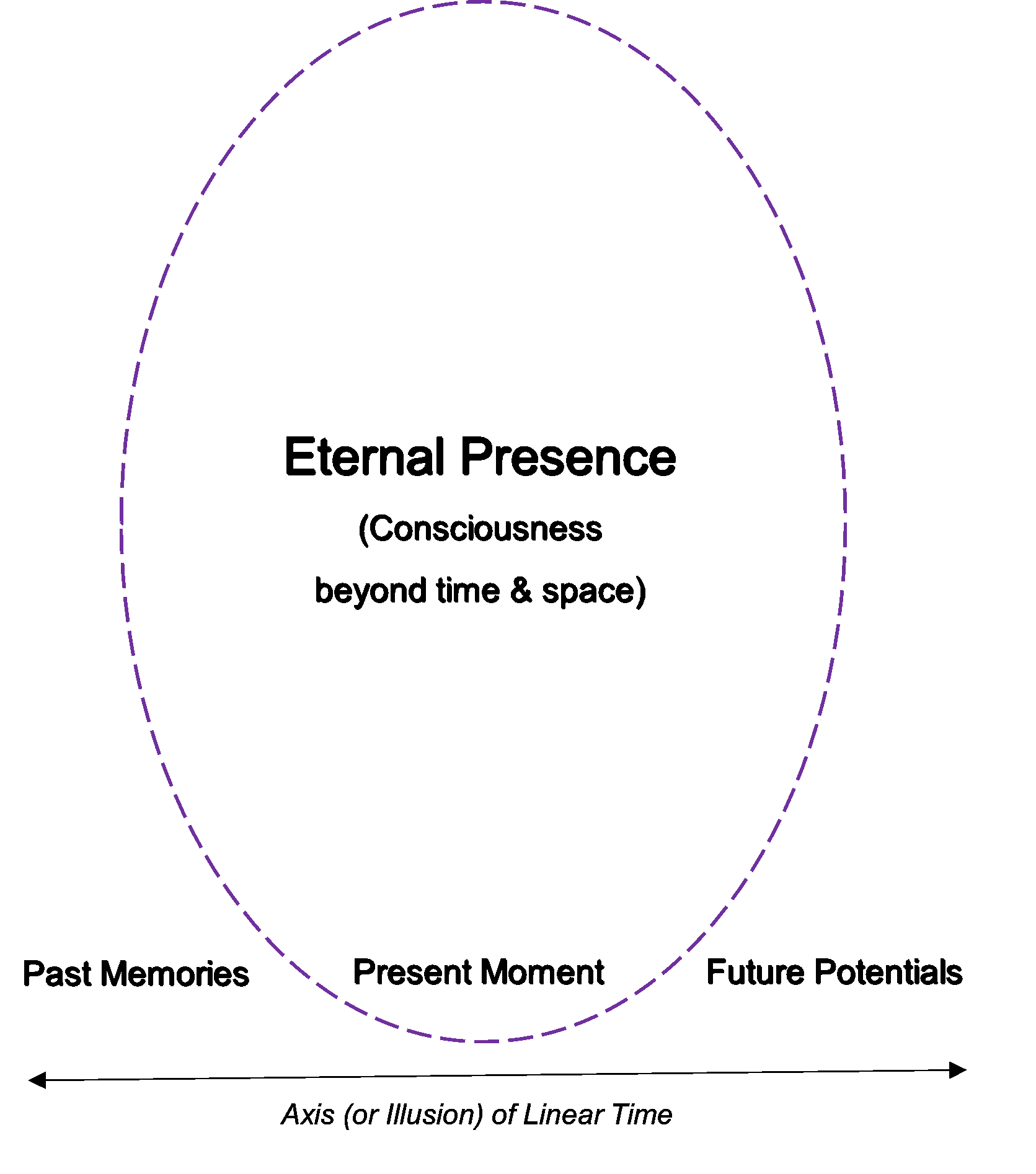
Internal Interconnectedness - Connecting Consciousness To Our Past, Present, Future, Sensing Our Aliveness, Space Beyond Us When we relate with others and feel interconnected, it can also be a platform to sense other interconnections. Making connections, linking our present to our past and future potential, allowing for the unknown may be important. When we do this, for some it can seem as if time concertinas in the present moment and our sense of reality shifts. Sometimes our previous experiences and associated feelings can be experienced in the present time, as if we were back there, now. As if seeing things through a telescope, memories of what we saw, felt like, looked like, what was happening, can be evoked seemingly as if we are looking back, re-living, replaying those situations again even evoking physical symptoms, sights, smells, sounds, etc. (see also Time, Caught Or Lost In Time, Daydreaming, Idleness, & Mindlessness) Perceptions of time can blur as we sense and reflect upon who and how we are now. As our consciousness evolves, unfolding, it expands into our field of awareness. Our unconscious is also timeless, and it is more of a space. (Margaret Hockney remarks space is God.) And in this different space or sense of timelessness it can be as if we have a sixth sense and are on the bridge between the unconscious and conscious, waking up to something emerging, as if everything is interconnected in which we may experience grace. In moments, like unfolding waves of time, it can be as if our present, past and future merge into one (where we are now, how this relates to our past, what might be emerging and transforming for us), and the therapy takes these conscious and unconscious aspects of us into consideration. In these moments, our imaginary and creative world may expand and it can be as if we experience a wind of change, as if the time is right. Feeling more energised in our body (in Chinese culture our life energy is described as chi, qi, ki) we may experience our perceptions and senses with a different quality to what we notice, see, hear, touch, smell, taste and feel (see also Setting Boundaries Psychotherapy - What We Resonate - Noticing Our Energy, Vibration, Energy Inside & Outside Of Us). We may experience moments of clarity, where everything comes together as one and has meaning, a rhythm or sense of peace (peace of mind), as if we are "in the zone", experiencing a sense of synchronicity, as if we have free will yet our will is aligned. For some this can be a space of transformation. We can be aware of this sometimes (being conscious that we are conscious) and other times less so. (At other times things don't always go the way we would like and our challenge may be to choose to resist, adapt, making the best of things, going with the flow.) And in this moment of time, we may also be in touch with previously unconscious processes. This includes what's happening in our imagination, dreams (what they might mean or be saying to us), which may point to our future - what might be emerging for us (see also Life's Journey, Initiations - Connecting To Our Own Inner Journey, Direction & Creating Our Own Destiny). We may become more aware of our personal consciousness at this point, feel more alive and in sensing our aliveness we may also be in tune with our body's interconnectedness to our thoughts, emotions, etc., in touch with our being. We may also sense a Love and Will that comes together (see also Energy Of Love - Being In Touch With A Real Love), yet is beyond the personal, be more curious about the wider world - a collective or global consciousness as if in touch with an ethereal energy as we move from linear time to no time - a space where we are aware that we are aware, a familiar yet unfamiliar feeling of wholeness, sense that we are connected to an energy in which we are all connected to. Some may be drawn to spiritual enquiry. Others, aware that we are all part of one whole, may be warmed by this and want to express this connection in their own gestures, however small. (See also The Connections We Need & Make)
Poets, Singer/Songwriters over decades have written/sang about the internal distinctions and awareness of our "me", "myself" and "I" - the interconnectedness and companionship we experience within ourselves, including loneliness/oneness, as we attend to, accompany ourselves throughout our life within the relationship we experience between our "me", "myself" and "I".
Maybe our "me" is our personality, independence, aloneness, our body-based "me" (and all the different "me's", subpersonalities throughout our life).
Our my"self" could be defined as our self-consciousness - awareness of our existence, our essence beyond our ego and presence, our being - the soulful aspect of us (this includes spiritual qualities, spiritual consciousness - both in and beyond us). As boundaries between self and others dissolve, our "self-experience" may give us a sense of internal interconnectedness alongside interconnectedness out in the world and beyond, a profound sense of wholeness, peace and for some recognition of our divinity, eternity.
The "I" can sense something in me (our felt and observational experience that there is a "me") and may include our ability to reflect, direct and act in the world.
Eventually, all things merge into one, and a river runs through it. The river was cut by the world's great floodNorman Maclean, "A River Runs Through It"
and runs over rocks from the basement of time. On some of the rocks are timeless raindrops.
Under the rocks are the words, and some of the words are theirs. I am haunted by waters.
FAQs about the Counselling about our Past, Present, Future in my London practice based in Kings Cross, Camden:
- What is the frequency of counselling in London, Kings Cross?
- How many counselling in London sessions do I need?
- How much does counselling London cost?
- Must I visit your London counselling practice in Camden or do you offer Skype counselling, online counselling or Telephone counselling?
- What are the advantages and disadvantages of offering online counselling, Skype counselling or in-person counselling in London, Camden, Kings Cross
- Do you only offer counselling in London, Camden or Kings Cross?
- What times do you offer counselling in London, Kings Cross or Camden?
- How do I contact a counsellor in London, Camden, or near Kings Cross?
- How effective is counselling in London, Kings Cross, Camden?
- What can I expect from the initial session of counselling London?
- What to expect from the other counselling London sessions?
- What is the typical duration of the London counselling services in Camden, Kings Cross

