


Counselling & Psychotherapy considers:
Impact Of Our Past

Influences That Shape Our Life Most of us revisit the past and it could be a good thing to revisit our memories, keeping them alive. Yet our past does not define us - we are not the product of our past, cannot change it and we can't create a new future holding onto the emotions of our past. Focusing on the past, any suffering because we get stuck in it may stop us taking responsibility for the present, being with where we are now. The past cannot be wiped out, yet our relationship to it shifts as we no longer resist it, but embrace it, explore what we need to, expand our awareness. Our past contributed towards our upbringing yet it is not causal to who we truly are - our individual characteristics and our very being, our essence, deepest sense of our core self, our future potential. However, we are shaped by the impact of our past through early bonding patterns, family interactions (and strands of family past that weave into our lives), dynamics, past events, experiences, expectations, roles, interpretations and comments made about us, alongside significant milestones, turning points, crisis. These aspects don't rule us exclusively, yet play an important part, some of them unconsciously, especially if we sense the past is still very much alive in us. We may have some unhelpful memories and dwell on the past. If we keep revisiting the past, living in the past, it can shape not only our current thoughts and feelings but also our future (see also Therapy Approach - Working With You, Viewing Issues Also As Symptoms With A Backstory & Story Going Forward). We experience an emotionally successful adult life, when we imaginatively reflect with compassion on what happened to us when younger, so we don't have to remain captured by our past, are now able to be fully aware of the effects of our past and liberate ourself from our history, emotionally evolve, make positive changes. Reconciling healing our past and any traumas, making peace with it, learning what we need to learn, may be important, yet the past is always past and we are now in the present moment, also able to experience our awakening, unfolding Self now, taking actions which impact on our future life.
Other Influences Other interacting factors which shape our life include:
- Our ancestral lineage carried in our cells
- Our biology & genes (DNA) - the things that are inherited
- Our personality & temperament (e.g. tending to be more introvert or extrovert, optimistic or pessimistic, paying attention to details or to the bigger picture, led by our intuition, heart or mind)
- Our environmental & social structures, including, social "norms", the prevailing thinking at the time & our position with regard to authority & power
- Our educational, ethnic, cultural, sexual & religious background & heritage
- The impact of our experiences, "the water that has flowed, under the bridge"
- Fortune, "good or bad luck"
All these aspects, including our genetically-determined dispositions (genetic predispositions) - part of our DNA, don't exclusively determine our characteristics, identity, personality or our destiny (as if our whole life is determined). Science notes a biochemical activity of regulatory systems - "switches" influencing our genes, alongside environmental effects, which also influence these switches. Our history impacts upon us, it doesn't define us - all of who we are. (See also Our Free Will, Free Spirit)

Exploring & Releasing Our Past As children we are not able to fully understand our emotions, motives, because we are not very conscious. Our early experience unconsciously plays a role in developing our personality and as we learn to adapt to our environment it may also be at a cost to our vulnerability, tenderness, creativity, aspects of ourself we learnt to hide, limiting our potential. Our past can still be very much alive in us. Understandably, we may not remember all our past, yet the cells in our body carry this. The purpose of exploring and releasing our past is not to dwell (see Unhelpful Memories, Dwelling On The Past), judge, remain stuck in anger, pain, shame, regrets or blame ourself, but more to disentangle from these reactions, understand what has happened - the impact of our history, the complexity of our family dynamics and roots, upbringing (see also Our First Relationship - Early Connections & Bonding Patterns), so we are no longer a hostage to our past, holding onto any unwanted burdens. We may now want to lay all our backpacks down, release any repetition compulsions, so the past is part of our history, cannot be changed, yet no longer shapes all our future, unless we allow it to - referencing our past yet not residing in it. And aspects of psychoanalysis can be effective in working with any troubles in our adult life with roots in our childhood, affecting our defences, emotional patterns, behaviours now, even when we don't need them because many past threats don't exist now. Yet extracting lessons we have learnt, our potential for healing, change, being in the present awakening, unfolding Self and psychological future (supported by our vision, visualisation, envisioning the reality we wish to be true) also exists. (See also Releasing Ourselves & Letting Go)

Understanding The Impact Of Our Past Some of us may feel as if we are stuck in the past, can't move forward. Others may want to fill in the gaps in our childhood, to make sense of them. We may have difficulties now, which can be tracked back to childhood experiences. We may have absorbed negative beliefs about us, which carry on into our adulthood. For example blaming ourselves for any of our family's shortcomings we may have become our own worst critic. Through exploring and releasing our past (which can be enhanced in the company of someone empathic) we can acknowledge our strengths and limitations, defences and openness. Examining our past doesn't mean we have to return there. We may have had a difficult past and the therapy can't fix this, yet it can support us in our capacity to deal with our past, where we no longer let it dominate our life now, living a fulfilled life to our full potential. By looking back at our past without being caught in it, understanding the importance of the impact of our history, we can learn from our experiences and make new meanings, and create and have the life of our own choice. Psychotherapy may therefore include what it would be like to let go of an old part of our life behind, so we are not so dominated by our past, and embarking upon a new phase.

Echoes Back In Time What's happening now may echo back from our history. Many of our issues, feelings, beliefs and behaviours now, have origins in our previous experiences. Aspects of our past may not have previously been considered, resolved. These connections between current struggles and experiences from our past, can sometimes catch up with us, or trigger us, influencing how we are now. A trigger may be a distant memory, belief, family experience, a certain inference, look, smell, touch, sound, taste or familiar experiences, a specific event in the past when we felt stuck, or a series of events or traumas. We may have forgotten or hidden to ourselves and others the experiences from our past. Yet their shadow can affect us now in subtle or direct ways and also through our unconscious, so we can integrate what we ignore. Where we are from, where our parents are from, their shortcomings, the impact of our parents and their parents, their history, the stories (and versions) they tell us (and haven't told us), the unspoken loyalties, oaths, sacred cows, our early bonding patterns may continue to resonate in us, affecting our relationship style, current challenge sin our relationship. How we learnt to deal with feelings like rejection, anxiety, anger and conflict, and how we were loved, praised and criticised, can affect us now. We may need to make links between what we learnt as a child and how we see us now, our current lifestyle, relationships, interactions and behaviour. Being centred in our own ground may be important for us. (See also The Impact Of Our Past Affecting Us Now, Including Our Relationships)
Our Childhood Environment & Conditioning In our formative years we all experience a range of positive and negative family dynamics (see also Our First Relationship - Early Connections & Bonding Patterns). Lifelong we subconsciously absorb our environment and experiences, both positive and negative, like blotting paper. We can continue to hold on to any blaming, shaming or humiliating messages we received back then. These messages can include family "secrets" (some of which may have a corrosive effect), the way our parents behaved, communicated (or didn't communicate) between themselves and with us - even with good intention (e.g. "Always... Never... Remember... Don't upset... It is weak to... " - these reminders don't even have to be spoken). We may have internalised certain messages from our upbringing, like "Who do you think you are?", "Pull yourself together", "You are not good enough", "Don't be a nuisance", "You'll never be satisfied" or "Just get on with it", that can affect how we are now. Mimicking, Iiving up to or not exceeding our family expectations may inhibit our lifestyle or individuality. We take in more of our parents' programming than we are aware of. Our reaction can be to ensure we act in similar ways to them or, indeed, do the exact opposite. We may have taken on roles back then, which may no longer help us now. Our childhood environment and conditioning, traumas may affect our sense of who we are, our beliefs, esteem and relationships later on. Also, how our parents gave us, or didn't give us boundaries can influence us. The impact of these boundaries can be looked at in counselling. (For details see Our Resilience, Hardiness & Protecting Our Personal Boundaries)
Sibling Rivalry, Different Sibling Interpretations About Our Parents No two children have the same experience, narratives, about their parents. This is influenced by birth order, gender, temperament and personality of both our parents and us, who respond differently to each child, evoking different experiences in us. Different parental stresses affect each child differently. Parental comments (e.g. "You are the clever one", "You are the pretty one") can also set up competitiveness between brothers and sisters. Sibling rivalry way back in time can live on now in our lives, sometimes to the point of estrangement.
Perspectives From Our Past Clouding Our Vision Now As children we see the world only from our own, personal perspective - yet as an adult we realise that there are other perspectives (see also How Our Perspective May Influence Situations). Sometimes when we grow up, we continue to believe that our way of seeing things is the only correct way (see also Rigid Boundaries). Our understanding of the world becomes inflexible, because events no longer confirm our expectations. In order to be in a meaningful life now, some of us may want to be released from any rigidity in our past. For example we may have felt fearful or lonely as a child, which may continue through our adulthood. (See also Becoming Our Vision, Visualisation, Envisioning The Reality We Wish To Be True)
Releasing Us From Our Past Neuroscience shows us that our brain only provides us with some possible interpretations of the world based on our past experiences. The influence of our history is therefore deeply ingrained, where often the familiar chatter (or dialogue) in our mind reflects influential messages from the past. Some of us may no longer want to hold on to any old pain, want to heal our past, ready now to find our way through this and let go. This may include separation from our unfulfilled childhood, so we are less tied to it (see also Our Painbody). The purpose of psychotherapy is not about analysing or "dwelling" on our past for its own sake, and is more about understanding the full impact of our history, releasing us from its binds, old patterns so we can change our past conditioning, are freer to live now.
Unhelpful Memories, Dwelling On The Past Our memories can be happy, sad, and replaying these often with a slant can have associated positive, negative effects. We can't delete the past, yet if we are not careful, we can let our past control our life in the present (and future), rewinding rather than living our life now. When we keep replaying old memories (including mistakes, bad memories, negativity), re-living what has happened, we also trigger the associated feelings and unnecessary pain. Yet just getting over it, leaving it behind from our wounded place may be unhelpful. If we have bad memories, we may be re-living this negativity every time we rewind and replay things. We may be coming from a victim place or struggle with choosing what we are willing to forget, remember (see also Our Personal Narratives, Scripts, Remembering - Old Emotions, Current Emotions). We may want to make peace with and reconcile this within us, learning what we need to learn. When our mind dwells on the past, disappointed we miss out on opportunities in the present. We can practise clarifying what we want to remember (e.g. our goals, focus) and what we want to forget (e.g. past hurts, regrets) so we pay attention to what we choose to replay and revisit in our mind. Choosing whether to remain dwelling on the past and rewinding things or whether to be willing to forget, to heal and make peace with our past from our loving adult, discover what lessons we may need to learn and let go, being in the present moment (so we no longer suffer because we get stuck in the past), with our compassionate self, may be challenging. (See also Stuck, Fixed Somewhere Between The Past, Present Or Future)
Coming To Terms With Our Past Events themselves cannot be changed, yet how we interpret them is up to us and we may want to loosen the grip of the hand of our past now. Although we can't ignore or escape our past, we can in many ways come to terms with it and understand how we have developed. For example, we may have chosen safety as a child, which may not be so necessary now. Our childhood hurts and wounds can be subtle or extreme. We may have been affected more than we had realised from past experiences, e.g. the effects of childhood bullying, an absent or intrusive parent problems with early bonding, the impact of our parents' separation and trust issues. Some of us may hold trauma in our painbody - going numb at times. We may fully know all the details of exactly what happened. We may have experienced neglect, loss, abandonment, rejection, invasion, abuse - emotional, psychological, physical, sexual (or being a witness, bystander to these), affecting our boundaries, intimacy, trust, love, conflict issues now (emotional distortion may also include being treated like an adult or parent well before our years, even though we are very much a child that we prematurely grow up yet miss out on developmental stages). We may struggle to find our voice, assert ourselves, open our heart. Loss of an aspect of our childhood may continue to affect us now. This may also include longing for what we didn't receive back then and may indicate we are not giving it to ourselves now (see also Releasing Our Regrets). Most of us have experienced cruelty, hurt or humiliation, because we were different in some way. For some, it can seem as our spirit is crushed, as if somehow we are still carrying a weight around us now. Guilt, shame or a sense of impending doom may follow us around. How we avoid intimacy now may carry origins of previous painful betrayals (see Relationship Counselling & Marriage Counselling). There may be things we'd like to forget, mistakes and bad decisions made, yet they can also be viewed as being part of our journey of learning, wisdom - honouring our past and what we've learnt, using this way if seeing things to live now, so the past becomes more of the past. Making peace with our past, we are more able to be in the present, so we no longer forsake who we are.
Healing & Liberation From Our Past Feelings We may have learnt to keep some feelings inside, which now no longer serve us. Many of our responses and entrenched patterns in how we are now come from the experience of our childhood conditioning and expectations (see also Unhealed Wounds - Counselling London). We can loyally hold on to things for years, and some of these can eat away at us. We may have been holding on to a guilty secret. As adults we can still sometimes be in touch with that frightened child inside. We may have built a wall around us. For example, if we are ashamed and repress this, our shame doesn't go away and we tend to meet this again and again. We may have felt abandoned as a child and continue to feel abandoned now. This can be explored in the counselling and psychotherapy. We may no longer need to hold back or hide our thoughts, feelings, as we become open to the full range of our personality. Each time we have an opportunity to be liberated from what we've held on to - loosening its grip on us. Grieving over the loss of our past may be important for us. Feelings belonging to the past have the potential to be released and accepted, which help to heal our wounds (see also Releasing Ourselves & Letting Go). Being willing to feel our core painful feelings may support us and for others it may be more significant to acknowledge the conclusions we drew back then about ourself that may have limited us, kept us in a cycle of pain and that it is now important to access healing and our truth through our compassionate loving adult to reassure our child within. As we let the past be the past, for both us and others, we don't need to repeat the past in our head, enabling us to be in the present. Changing what we want to change may be important for us. (See also Responding To & Managing Our Painful Feelings Back Then & Now)
In each family a story is playing itself out, and each family story embodies its hope and despairAuguste Napier
Effects Of Early Decisions We may be tied rigidly to our old life narrative and patterns. During the psychotherapy sessions we have the opportunity to recount this story so far, as we experienced it. We may see how some decisions we made in our early years (our oaths, promises, loyalties, even our "sacrosanct, sacred cows") followed a "life script" (as if we were in a play, on automatic). These decisions may have helped us when younger, yet now limit us, affecting our relationships, creativity or free will now. New dimensions may reveal themselves, as we take control of our own narrative.

Transforming Old Beliefs Feelings from our past may not disappear. However the therapy can offer the opportunity to experience them now, only this time from our adult perspective, so their impact is understood. We may have internalised negative experiences, blaming ourselves. Our beliefs can now be more accurate, up to date and helpful. We no longer allow the conclusions, we made when younger, to define who we are now. Acknowledging our strengths, limitations, regrets, defences and openness, we are more able to create and Iive our life of our own choosing.
Choosing Our Own Life Direction The therapy can help piece together our already chosen pathways between our past and present. By making connections between childhood and adult experiences, psychotherapy can help us to disentangle us from the bonds of our past, our "emotional baggage", so we are freer to choose our own direction, path and are less governed by our history.
Fresh Challenges We inevitably develop lifelong patterns of roles, feeling, thinking and behaving - at some level re-enacting aspects of our past, in the present. Many of us experience our habits as "who we are", and changing them, if that is our choice, presents fresh challenges, as may learning to trust again, listen to our intuition.
Linking Our Life Now To Our Past Many problems are complex and have traces and trails linking them to our past, even though they may not seem obvious. In order to fully be in the moment, we may need to make these links to our history. For example, throughout our upbringing we received direct or subtle boundaries, which may have been healthy, loving, fair and firm or invasive, abandoning, controlling, unstable and chaotic, inconsistent or consistent (see also Insecure Attachment - Our Ambivalent Or Resistant Style Of Attachment/Relating (Becomes Preoccupied Style Of Relating Or Anxious Attachment Style As An Adult)), too tight or too loose or indeed non-existent. (As if we were used to chaos in the past, even when calm or bored now, we can pick problems, create chaos, dramas.) Back then we had little control over those boundaries, yet now as an adult we can choose our own healthy and appropriate boundaries, have some continuity and steady influence on our life.
The Impact Of Our Past Affecting Us Now, Including Our Relationships Some of the problems, dissatisfactions in our relationship, marriage, may relate to how our emotional needs were met (or not met) in our early years or problems between us and our parents, whether they are alive or not, separated, and it may be our work to mend what we need to mend. Otherwise the very qualities we don't like or accept in our parents, may also become what our partner doesn't like in us (or we don't like in them). Our parents don't always have the ability to nurture us (see also Non-Responsiveness, Empathic Breaks & Frustrations In Our Early Life). If we have never been satisfied about what we received (or didn't receive) from our parents, then we may likely project this onto our partner - holding grudges, disappointments, regrets and if we are still longing for what we didn't receive in the past, this can indicate that we are not giving it to ourselves now. These negative experiences can get played out in our relationship as our capacity to genuinely love may not always be easy for us (see also Relationship Style, Attachment Patterns). Very few of us have had parents who were so emotionally healthy that they could give all the love we needed to us. Our parents may have done their best (see also Evolving Consciousness - Benefit Of Hindsight), yet the feelings and any pain of our wounded child (and our child's reality, sense of self back then, may live on now) may need to heal, so we are in touch with our own power. Examining our past doesn't always mean we have to return there. Reconciling with our parents and their shortcomings, acknowledging that their narrative is different to our own, may free us (though first we may need to own or express any anger, blocks towards our imperfect parents) and the counselling and psychotherapy can support us in this process. Our parents may not own their responsibility for the past. We may understand this yet carry residual, unexpressed anger. Balancing how much better we'd feel within ourself and how much pain this will cause us in raising things directly with them, is a choice we only can make. However, assigning all the root causes of our wounds, emotional challenges to our parents may discount other factors, including:
- Our parents coming from their own wounded place
- Prenatal, birth experiences
- Relationships with our peers, siblings
- The models from others we picked up around us
- Beliefs instilled in our upbringing through society, culture, schooling, religion
- What we witnessed, experienced in our family home & beyond
- The impact of partings, separations, endings, breakups
- Our own disposition
We are all children, who just get a bit bigger.
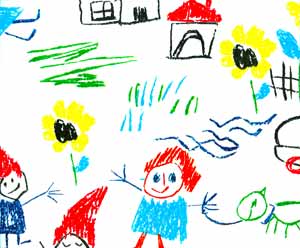
Connecting To The Innocence Of Our Childhood - Our Child Within The knowledge of how finite life is, can allow us to appreciate and live life to the full, seeing things with fresh eyes. When very young we (our inner child, original self, feeling self as an infant) were full of feelings (and some of these may not have always been "pleasant, pure and innocent", e.g. hatred, jealousy, aggression, anger, greed - maybe including cruelness or sadistic bullying). We also experienced our vulnerability, tenderness, our sensitivities, before they were considered right or wrong (see also Our First Relationship - Early Connections & Bonding Patterns). Society forces us to repress our inner child (including our energy and natural vibrations), and we too can do this (often unconsciously). Through our defences now we may deny, repress, suppress the qualities of our inner child - our natural state of wellbeing. Some may want to get out of our head and reconnect to that inner voice that may have guided them as a child - being in the moment, that innate sense of internal presence - our core essence - what we are, that is not our history, the uninhibited voice which is free of fears, negative thoughts and conditioning - the sacredness of our child within, who may now need our own help and love to flourish. We may have memories of wonder, being open, simply daydreaming, being innocent, curious, willing to learn, carefree, playful, light-hearted, full of belly laughs. Our self as an infant may have been expressive, surprised, surprising, spontaneous, with a sense of purity and simplicity - the uninhibited qualities of our inner child. So we are no longer scared or terrified and can now feel safe and soothed, we may want to liberate our wonder child within, so we no longer abandon ourself. We may want to regain our passion (which may have got lost, buried or shamed) and the passionate desire we had to love and care (see also Relationship Style, Attachment Patterns). Parts of us back then may have been unseen, unacceptable, and we may have felt abandoned or rejected. We too may continue to reject, abandon these aspects of us, even now. It may now be important for us to focus and embrace our own inner child (that intrinsic sense of our self that is not alone (our inner knowing - see also The Gift Of Intuition & Inner Knowing - Gut Feelings, Hunches, Instinct, Improvising) with comfort, compassion and understanding, taking care of our own inner child, our soul, so that we stay connected with ourselves. The inner child therapy can offer support by keeping this dialogue alive through reconnecting to our feeling self again, our true essence, trusting our own innateness, sense of being (see also Sexual Healing), connecting (or reconnecting) to other (maybe long forgotten) aspects of us, including our joy, imagination, creativity and things, interests that give us pleasure and a positive emotional experience, which may have got lost or crushed in childhood. If we were unseen in certain aspects, felt ignored, neglected, received indifference, shamed or made to feel guilty as a child we may continue to do this ourself now.
Children roll with belly-laughter at everyday things. I was never like that (but sure am now!)Dr Erica Chopich
Tuning In To, Sensing, Loving, Reassuring, Responding, Supporting Our Own Inner Child, Who May Feel Lost Ideally in our early years we would receive everything we need from our parents, yet this often doesn't happen and we may feel wounded inside. Inside ourself we may feel unlovable, have abandoned ourself, yet recognise that a new born baby, infant, needs, deserves love and is worthy of love. We may need to support ourself with self-compassion in vulnerable moments (the heart of internal, secure attachment). When younger, we may not have felt loved in the way we needed and it may be easier for us to tell ourself we don't deserve love, rather than be open to the helplessness, heartbreak, loneliness of not being loved. Our free-spirited inner child may have been unseen, ignored, ridiculed, or crushed. Connecting to the tiny baby, infant we were - our essential goodness, who may not have felt loved, we may want to ask ourselves whether our own child within deserves now to be loved by us and stepping through any shame, deciding to give ourself the love we never had or still need. This may include scooping up our young self, learning to also love our wounded parts through our aliveness, self-compassion, being trustworthy, showing up for ourself, noticing our feelings, attending to our distress, so we look after, dialogue with, protect, validate our own inner child with a gentle guiding, accepting hand (no different to how an attentive, compassionate parent would) - giving the love our inner child craves for. (We may have been waiting for this for years.) We may want to learn how to embrace our essential goodness - our self-caring, compassion, gentleness, tenderness, strength of vulnerability. In so doing we are able to define our worth internally, instead of externally. Skipping over any embarrassment, compassionately connecting to aspects of ourself we forgot (including our lost, young parts) or never knew existed as an adult supports our inner child. We may need to ask ourself what does our inner child need from us to feel safe. (This may include helping our inner child not to personally take rejection and stay strong in our truth - not giving ourself up to anyone.) No different to being a parent for the first time, we may not fully know how to love our infant self, but be willing to learn, as we listen and respond with our open heart (see also Being a Loving Human Being, Loving Ourself, Self-Care, Self-Love - How Do We Love Ourself? - Being Our Own Strong, Wise, Mature Adult, Loving & Caring For Our Self). For some this process can be experienced as having spiritual context.

Self-Parenting - Struggling To Sense, Reassure, Love Our Own Child Within (From Eric Bernes TA work and updated by Dr Murrel James) Some of us may have disdain towards the concept of inner child work, maybe believing it is beyond our dignity to revisit our own inner child. Yet we contain within ourselves versions of all the people we have ever been - a hurt or sad child, an envious child, a spontaneous child, a lonely, ashamed child, a confused teenager, and just like a tree that contains all its rings, so do we contain our past selves, lodged somewhere within us. These parts of us may have been locked away, maybe forgotten, ignored, yet they still exist. This is where we need to re-parent ourself - become the parent to the children we once were, identifying our inner child's needs - taking stock of our inner child's sorrows, confusions, understanding these pains and soothing our self. (In a perfect world, it is our parents who would carry out this, yet in the real world some of this work gets left behind, so now we as adults need to become parents to the children we once were, bringing together our adult capacities of kindness, reassurance, empathy, warmth, generosity and direct these towards. the 4, 5, 6, 7 year-old, 10, 11, 12 year-old, 16 year-old, who still exist in our minds.) Befriending our younger self - the purity of the child we were (maybe before things happened) can be healing (see also Developing, Tuning In With Our Loving Adult). If we imagine the feelings of an innocent child and we ignore this child by ignoring their feelings, passions, the child feels abandoned. We may feel disconnected from our inner child or frustrated that this experience seems more like a mental concept or try to be in touch with the concept of inner child from our head. And if we are stuck in our head it may be hard to imagine that we can tune in to the feelings and needs of our small child now, spend time with, listen to, care for, hold, connect and be present with our child within. It can help to imagine the perspective of our 5 year old self, so we really get to know our inner child, ditch any negative self-talk, have empathy for ourself, listen to our small child within's call for help, reassure our own inner child. Without judging vulnerability as weak, we no longer just give to others but also be loving to our self, allow our child within to thrive through our loving adult and not through our wounded self. (We may also need compassion for our wounded, fearful self.) Some of us may not like, disconnect from our inner child - those deep feelings, sensitivities in us, our essence. This may include validating, exploring our full range of feelings, needs. Reconnecting to our own inner child, feeling our feelings can be healing (even the uncomfortable, difficult, painful, so-called negative ones - acknowledging them). It can help us to also consciously release these feelings to the universe, god, spirit, asking any difficult, uncomfortable feelings to be replaced with peace, love and acceptance. Being in the moment, responding to our feelings, taking responsibility for our feelings, needs - all of them, our pain means we are no longer abandoning our little self. It is not someone else's job to fill us, validate us. As for any regrets we hold we may still be longing for what we didn't receive in the past, which may indicate we are not giving it to ourself now. Only we can accompany our inner child - give our own inner child what he or she needs, so we don't feel alone, empty or end up rejecting ourself. Our inner child needs love - our love, to feel, and when we love ourselves and share our love with others, this fills our emptiness. Inner child work (loving work), therefore entails reconnecting and being in contact with, embracing, trusting, understanding and healing our inner child through self-nurturing. Turning towards, listening to our inner child's feelings with love as if an attentive caring parent would (maybe a kindly wizard or a magical, wise stranger, caring or loving adult) in a two way communication can may be a part of our healing, being intuitively loving to our inner child - the way we always wanted to be loved. Re-bonding and re-connecting with our little child, feeling compassion for our little self (maybe with the aid of old photographs or holding a soft toy) can be a powerful reminder - both then and now, that we are capable of holding ourselves. No different to how a protective, reassuring parent would hold, be there for their child, we need to do this for our own inner child, acknowledging our feelings with deep compassion. (For example, tuning into our feelings of loneliness, sorrow, heartache, helplessness - acknowledging them, holding them in our heart, sitting with these feelings, nurturing them, keeping them company for a few minutes - the way we would do with a child who is hurting, so our inner child feels soothed, comforted and heard.) We may have had no choice back then, yet now we do, so attending to our little self now has a different quality when we sit with our inner child with self-empathy. When we take some time and tell ourself "You are not alone", "I am here now, alongside you", this can be self-reassuring. For others, it can be healing to let our inner child know. "I'll be there for you, listen, protect you". Where although some feelings were completely unmanageable as children, now they are easier to manage, when we are self-compassionate. "What is our inner child's purpose?". "What does our inner child need from us as a loving adult?" may be a useful enquiries. And when we are present in our loving adult it can be very appropriate at times to step in and disengage from others' negative reactions, protecting our inner child who speaks to us through our physical sensations, emotions. Sensing what our child within needs, not to take rejection so personally, to stay strong in our truth and not give ourself up for others may be important as may creating our own safe space, being anchored, centred, grounded, imagining our resting place at the centre of our core, so we connect with ourself and others when our inner child feels relaxed, reassured and no longer abandoned because we are a loving advocate to our child within. This may include taking care of our emotional, physical, financial, sexual, spiritual wellbeing, taking our inner child into our own loving ownership, guardianship, trusteeship, stewardship. Some people call upon love that is not just personal, but includes a spiritual presence to fill them. In order to consciously dialogue and connect to our child within - our being, some may turn to that spiritual source of support, of being held, loved.
Earth's Imprints
Imprints leaving their trace
Lines designing a face
Trees ingrained by rings
'Tis wisdoms' sufferings.
Struggling To Grow Up We may be living a provisional life in a sort of fantasy world, in what has been called Peter Pan syndrome (puer aeternus), where some of us may live as an eternal child or adolescent struggling to meet life's challenges (often linked to disowning our shadow, childhood wounds). We may have an innocent charm, which others enjoy or exploit. (We may feel ungrounded, not centred, maybe uncontained, with few boundaries, as if our feelings, thoughts, even our body spills out - that we don't quite inhabit it.) Despite our age and maturity in some areas, some of us may have a young (defensive or wounded) part of us who feels like a perpetual child, kidding ourself that we are taking care of ourselves. We may be unassertive, feel stuck or lost inside, as if still a lost boy, lost girl, taking things very personally (maybe trying to get others to look after us) who feels very young inside, impotent, often fearful, confused, or simply not wanting or know how to grow up (see also Relationship Style, Attachment Patterns). Giving ourselves permission to grow up, be strongly vulnerable, yet empowered, individuated, taking responsibility for ourselves, being in our own inner authority, potent, emotionally mature, valuing our wisdom, may support us. We may want to give ourselves permission to be the man, woman we want to be without giving up our child-like qualities (see also Self-Identity & Personality - Counselling London). The counselling can explore this further, so we become more self-reliant.
When I was a child, I spoke as a child, I understood as a child, I thought as a child:C.S.Lewis in Shadowlands referring to the bible, 1 Corinthians 13:11
but when I became a man, I put away childish things.
If a man looks at the world when he is 50 the same way he looked at it when he was 20 and it hasn’t changed,Mohammed Ali
then be has wasted 30 years of his life.
Recognising & Valuing Our Past We have been shaped by the experiences we have had - not only our successes, strengths and talents, but also the insights we gained from past mistakes or failures. As we recognise and value our past, it can allow us to make more informed choices now.
Being "In The Moment" For some it may be helpful to revisit underlying core issues, any defining incidents, wounds, unresolved conflicts and positive experiences and make links with our own values, dreams, hopes, aspirations and what really matters to us. Free from our historical responses and reactions, and any "past baggage", we have the potential to be in the present moment. When we cultivate our ability to live in the moment, paying attention what's happening around us, we worry less about what happened in our past, and be less anxious about planning our future. Experiencing what is happening in the moment, frees us up.
Unmet Needs From Our Past The way we get and don't get our needs met, varies in us all, and how we behave affects this. Our unmet needs from our past can be challenging for us now and in our relationships. We can deny or repress our needs, believing they can't be met. We may struggle to take care of our own adult needs and wants and may want to be in touch with, ask for what we need, speak up for ourselves letting others, our partner know what works best for us. Our personal boundaries can support us in getting our needs met (see also Unmet Love Needs & Emotional Neediness). We can be tempted to make others responsible for meeting our needs. For example if we didn't get the approval, validation, love we needed when growing up, we may still in some ways be searching for it now in our adulthood. These can be connected up in counselling or psychotherapy. (See also Codependency (Co-Dependency) - Caretaking)
Being OurseIf To get our needs met, we may have learnt to adapt by denying or repressing certain feelings, when we were younger, at a cost to our more authentic seIf. The therapy can help us with this integration.
Our Weak Spots We all have weak spots - areas of vulnerability or anxiety, originating from our early experiences. Some of us find it hard to acknowledge and accept these, or see them as intolerable (for details see Our Sensitivities - Pushing Each Other's Buttons, Counselling London). We may for example deny our vulnerability to us or others, pretending we are totally self-sufficient.
Keeping Emotions Inside Expressing emotions can be a transformative process. It can take up more energy holding on to our emotions (old hurts, buried pain, etc.) than to release them. When stored, they build up inside, disproportionably affecting the intensity of our emotions now. We can choose to leave our hurtful path behind (see also Releasing Ourselves & Letting Go).
Our Own Interpretations Often when we were very young, we believed our family was the way the whole of the world was. Although we know that is no longer the case, we continue to see the world through our "filters". Sometimes we can get stuck in the perspective we hold. Realising that we have been seeing things our own way and not as they are and recognising how some of our own interpretations have restricted us, we are able to unhook from them. We can then be freer to Iive in our own chosen way. (See also Our Assumptions & Interpretations)
Not All Difficulties Are About Our Past Not all our distress is located in the past. Therefore alongside working through our past and the consequences of our history, some people may wonder what all this means, what is their own life purpose and direction.

Our Future Footprints The symptoms we bring along to therapy may not only be reflection of our past, but also point towards our future potential. Having understood the impact of the footprints we've made in the world, we may be curious about our future imprints - the marks we want to make and leave. Simply existing in the world, lack of vision, meaning or purpose may be a concern. Letting go of our past bonds can also lead to wondering about our future direction. We may seek a deeper connection to our own essence - the lifelong experience of what we are inside, the place which instinctively knows, our inner being. Seeking and being on our own path or connection to a life larger than us, may be further challenges. We may also have a sense of the life's interconnectedness.
FAQs about our past in the Counselling London practice based in Kings Cross, Camden:
- What is the frequency of counselling in London, Kings Cross?
- How many counselling in London sessions do I need?
- How much does counselling London cost?
- Must I visit your London counselling practice in Camden or do you offer Skype counselling, online counselling or Telephone counselling?
- What are the advantages and disadvantages of offering online counselling, Skype counselling or in-person counselling in London, Camden, Kings Cross
- Do you only offer counselling in London, Camden or Kings Cross?
- What times do you offer counselling in London, Kings Cross or Camden?
- How do I contact a counsellor in London, Camden, or near Kings Cross?
- How effective is counselling in London, Kings Cross, Camden?
- What can I expect from the initial session of counselling London?
- What to expect from the other counselling London sessions?
- What is the typical duration of the London counselling services in Camden, Kings Cross

