


For anger problems in relationships, anger in marriage or anger between couples also see Controlling Behaviour, Blaming & Criticism In The Relationship
Anger Management Sessions, Anger Management Counselling
Anger Management Therapy

Anger itself is not a problem - it is a normal, healthy, natural human emotion, which we are bound to feel - that everyone feels, it is also our passion. Outrage to injustice can also push us to take loving action. Letting our anger overtake our perspective and reason may be closer to the problem so we control our anger rather than anger controlling us. Anger has the potential to bring out the worst and best in us. Anger can be channelled usefully into appropriate action. Anger is our instinct to keep us free, and for self-preservation (see also Willpower - Finding, Having & Following Our "No" Or "Yes"). Anger is not always a negative emotion and helps us stand up for ourselves, so we are not a pushover, stand our ground. yet getting angry often prevents problems being solved. Our anger can be our instinctive action for our freedom & preservation. Anger can be a last resort defence against allowing others to dominate or manipulate us, so we stand up for who we are. Anger & irritability can also motivate us to take action against injustice, exploitation, abuse, oppression. We may also have an anger so deep, that it is hard to articulate. How to express it in healthy ways (e.g. without inappropriate outbursts, blaming) may be a challenge for us. Our anger can be a protective mechanism, self guarding our wellbeing and dignity, it can empower us to assert ourself, set boundaries, seek support. Anger itself can be both constructive or destructive, carrying both inherent value and danger, shaping relationships, decisions. Righteous anger can enable us to confront injustice, advocate change, assert boundaries - be a catalyst for personal and societal progress. Some of us may struggle to express our anger without triggering our anxiety, and with our tension, we can become wound up like a spring, which needs a release and otherwise it may spiral out of control. Controlling anger, keeping cool maybe a concern for us. Yet, repressed anger, suppressed anger - just radiating it, may also not be healthy. Anger is a primary emotion, which prepares us for fight-or-flight - what all male & female animals do when they are in danger or in fear, as chemicals are released into the blood stream. Anger is an alarm system, extra adrenaline is produced, our heart beats faster & blood pressure rises. Anger also has a destructive potential when unmanaged, escalating into unhelpful conflict, and if unchecked, can erode communication, trust, intimacy in personal relationships through aggression, harm, maybe violence. When angry, men & women see things one-dimensionally, expressing our anger in disproportional ways. The anger management therapy addresses not only how we manage & contain the fire of our anger, but also how to express our healthy anger, being just in the moment (not magnifying it from our past), in controlled & healthy ways, understand its purpose as a boundary & acknowledge the positive & negative aspects. Safely breaking out of our anger, curbing, taking time to cool off, can support us. Struggling to pause or reflect, our spontaneous acts may even catch ourself by surprise, e.g. our road rage. We may be seeking ways to control anger. Help can be offered alongside different ways of responding. Some of us may fear our own anger or have a quick temper, getting quickly impatient, angry for no apparent reason. We may become confused, shocked, guilty or ashamed by our own anger issues, yet for some it could be our unconscious shame itself, which triggers our anger or rage in the first place, as our anger becomes our secondary feeling - the one we express maybe as a substitute to our primary feeling of shame.
Speak when you are angry and you will make the best speech you will ever regret.Ambrose Bierce

Taking Accountability For The Energy Of Our Anger Most of us are aware that we are accountable for our harmful actions towards others, yet we may not think about being accountable or how our energy affects others - our anger, blaming, attacking, judgements, energy. The person of the other end of this energy can experience it as being physically attacked, and if the anger is covert (passive aggressive, e.g. withdrawing), the receiver also picks it up energetically.
To shoot fire from the hip can be damaging, whereas firing from the heart, reflection, may be more rewarding.
Grumpiness, Irritability When in irritable moods some of us may easily become grumpy, agitated, frustrated, annoyed, argumentative, aggressive or angry. The anger counselling can explore the nature of our irritation and what else may lay underneath this further, e.g. wounded feelings. (See also Moodiness, Emotional Mood Swings, Severe Mood Changes, Low Moods, Dark Moods)
Insanity is doing the same thing over and over again and expecting different results.Rita Mae Brown

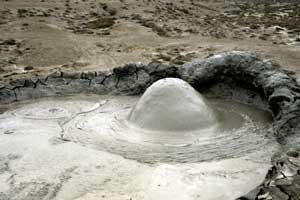
Ways Of Being Angry Anger is not just about micro, macro aggression, violence. Assertive ways of expressing our anger, being open and honest, addressing the issues in a direct way, can often be missing. We may bury our anger and it may come out in a wrong way, as an over-reaction. The counselling for anger can explore how we can monitor our emotions and choose to act respectfully, rather than react. Sometimes when we are angry it can be as if it comes out of nowhere, from 0 to 100, as our buttons are pressed and we have a knee-jerk reaction, as if on automatic pilot, sometimes crashing into others' feelings. When anger flashpoints occur, we may struggle to be aware, take back control, choose how we think, feel & respond. We may have more of a short fuse, when something seems to take over very quickly, snapping away at lightning speed as if we can't control it. Our surge of rage may take off like a rocket. Others may have a long fuse - radiating anger, simmering or stewing away, seething inside, volcano-like, holding our anger just under the surface (where people may be on tenterhooks around us) yet sooner or later we will blow. Some of us can implode our anger or bad temper, taking it inside of us - keeping the lid on, almost bullying ourselves (flight). We may try to stay calm, yet a red mist may come over us and things build up inside, until we eventually explode (or implode). We may express our anger in passive, non-obvious ways when we are unable in an open, honest manner. Whereas others with a short temper hit out verbally straight away, explode with rage or aggression, sometimes bullying, bulldozing others (fight) - "flying off the handle". We may get wildly angry about some things, that on other occasions may be irritating, which may indicate something else amiss in our life. We may sulk at first as our irritability, anger and rage wells up inside us (this may be an impotent rage, as we feel helpless over others, outcomes, overly self-righteous). Our rage or temper can also feel very primal, as if we don't know how to process this experience, and can be connected to overwhelm and past trauma, which hasn't been integrated. People may walk on eggshells around us, and we may become prickly, easily irritated. It can be as if we have a default position, we find hard to break. Our anger may slowly drift in or arrive as a full-blown storm - spilling out, as we struggle to withdraw from it. We may feel worse or lonely afterwards, following its destructive impact. Yet in the aftermath of our emotional outburst may live deeper issues to be resolved. Triggers for our anger outbursts can be explored in the anger counselling. (See also Physical Feelings, Somatic Reactions, Other Reactions)
Anyone can become angry. That is easy. But to be angry with the right person, to the right degree,Aristotle
at the right time for the right purpose and in the right way - that is not easy.
Internal Or Indirect Anger Problem - Unexpressed Anger Clamming up, internalising our anger, some of us may struggle to express it - bottling anger up or holding it in, tight in their bodies, or indeed their heart. We may turn our anger or irritability inwards, onto ourself or become bitter. We may carry a cold rage, where our anger becomes controlled, contained, denied or calculated, on to others and turned inwards and some of these reactions may be linked to our avoidant style of attachment. (See also Childhood Experiences)
If you have the will to conquer anger, it cannot conquer you.Seneca
Passive Aggression We may be indirect with our anger, hostility, irritability - becoming passive aggressive, procrastinate affecting us and in our relationship. And in our relationship we may become controlling, competitive, withholding, withdrawing, give our partner the cold shoulder or silent treatment, put up walls, withholding sex, etc. Suppressing, repressing our powerful feelings, we may have taken on other elements of passive aggressive behaviour, which can be explored in the anger management counselling. When we are angry with someone, and don't tell them, we may become passive aggressive or sabotage ourselves. These aspects may include:
- Complying on a temporary basis, so we initially comply to requests but build in delays before complying, never playing by the rules
- Allowing problems to escalate through our inaction
- Being intentionally inefficient when we do comply, doing things in unacceptable ways
- Being manipulative
- Being an overly nice person, playing the nice guy
- Taking pleasure & revenge through people's anguish because of our hidden actions, sabotage
- Being like a victim, martyr, helplessly acting like we can't help ourselves & using self-depreciation
- Using sarcasm, cynicism, sulking
- Closing off, shutting down, withholding, withdrawing, disengaging in our relationship
On The Receiving End Of Passive Aggression When we have experienced passive aggressive behaviour, we can choose not to engage, be so affected by this behaviour. We may consider pointing out to the other person that we know they are angry - affirming this in a non-judgemental & factual way. This may be denied (and we still don't have to react). They may become upset (yet inside the person being passive aggressive usually becomes aware of what they are doing). And when we acknowledge their feelings behind any negative behaviour, we are not only seeing them but also letting them know that their passive behaviour is detrimental to the relationship between us and need to change. (See also On The Receiving End Of Anger)
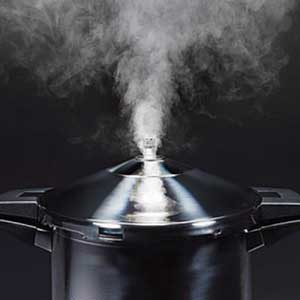
Storing Things Up There is a link between stress and anger. Struggling to take the pressure off, things may be slowly simmering away inside and when we reach boiling point we have to unleash our anger. We may want to express healthy ways of letting off steam. Our stress can lead to fear, which in turn can lead to anger. We may feel unseen, unheard, mistrusted, or mistrust others. We may feel unseen, unheard, mistrusted (yet ironically the other person may too be feeling this). Holding the pressure in, some of us may store things up, which can get too much for us (e.g. holding on to injustices, our resentments, bitterness, grievances, grudges, even the minor ones (and keeping a score), want to get even & retaliate or maybe our unresolved grief). Other options of releasing our anger can be explored in anger management sessions or anger counselling.
Using Our Anger As A Tool We can utilise our anger to:
- Shield & protect us (e.g. against demands, criticisms, or anything we don't want to hear. Also to deal with perceptional threats or new ideas)
- Believe we are safe by maintaining our role of being the dominant person
- Attack others
- To become punishing, sadistic
- Dominate rather than be strong
- Give us a false sense of superiority
- Make people comply with our wishes
- Try to control or make others do what we want, yet feel helpless inside
- Give others what they deserve
- Be judgemental of others, when they don't agree or do what we say
- Force our sense of entitlement, that the other person owes us something
- Keep people at a distance
- Avoid expressing other emotions or our needs
- Blame other for not taking care of our needs, because we are unable to do so
- Avoid our experience of fear, sadness, vulnerability, softness, weakness or shame
- Avoid managing our frustration
- Model the aggressive or forceful behaviour of one of our parents
Responsibility For Our Anger Problem We can be stuck or wrapped up with our anger issues, that this is largely what we feel & who we are. We may struggle to keep a grip on our anger, especially fuelled by alcohol or drugs. Our anger may become toxic. We may be angry at ourself and stick it onto others. We may be angry about what has happened, which has nothing to do with a particular person. Taking responsibility for our anger problem & conflicts may be a challenge for some. We may try to justify it, that we were provoked ("It's your fault"), lost control, have a bad temper. The anger management counselling may also therefore explore what we now tell ourselves, following early wounded feelings in our life, like shame, guilt & the connections between our anger and anxiety, self-esteem, insecurity & self-judgement, negative thoughts & beliefs, depression. We may at times struggle to recognise that there is an anger problem, be aware of our aroused state, accept we can't control things, relax or reassure ourself. We may regress to an almost child state, become wounded, or find it hard to cope with underlying unwanted feelings (e.g. fear) and in this immature state it can be as if we become emotionally incontinent, when things just spill out. We may also struggle to contain our own anger when other people are angry. Some of us may burn bridges at cost to us & others. We may become angry or upset, wanting to blame others, yet it is our own fury, anger or irritability. And we can choose to keep this going, transform it or calm ourselves down. The anger counselling also investigates how we might responsibly take care of all our own feelings. The anger management counselling & psychotherapy can help us learn to respond differently to our anger issues, so our anger no longer defines how we are, or dominates our life so much. (See also Self-Identity & Personality - Counselling London)
What Lays Underneath Our Anger The anger therapy helps unpack our emotional responses, tipping points to our anger triggers - our significant beliefs & interpretations about these triggers, and other possible rationales, like prioritising the competitive need to win or be right over our need to be happy, our expectations or need for perfection or our avoidant style of attachment. Both emotionally overwhelmed and being overwhelmed in our head, can come up as anger. (Some of our anger can relate to intellectualising, understanding our flawed parents, yet not authentically expressing any anger we feel.) Feeling disrespected, hearing a "No", when our flow is stopped, wanting something right now, can be some of the many anger triggers. We can go cold or "get off" on a good rant, especially about injustice, unfairness, rejection, yet become super-intense. And often when we are angry, it doesn't feel like the core of us is angry - that other factors, moods, boundaries transgressed, unmet needs (e.g. being told, given what we don't want, or not receiving what we do want) are influencing our anger. In the therapy for anger we may also explore sources of our anger - what's underneath it, our primary & secondary feelings, what it means & ways to look at the bigger picture, not just the small details. For example, beneath the tinderbox of our anger, bad temper or rage we may feel ignored, unheard, bored, lonely, fearful, scared, hurt or pain, sad, heartache, heartbreak, grief, feel misunderstood, unseen and struggle to compassionately manage these feelings. Some can use anger as a shield - "don't get too close". (It may be less embarrassing to express our anger than some of these feelings or to allow for our the strength of vulnerability.) And when we are angry, we may feel inadequate inside. Holding rigid beliefs about how others should behave, we may have a strong sense of entitlement or like to get our own way, become single-minded, maybe caught in our own narcissism. We can initially be certain that our anger is about something someone has said or done, yet on reflection it may point to wounds that have gone right to our core - our own pain or the way things "should", "shouldn't", "ought", "must", "never", "always" be. Our anger may also point to the feeling we have of life's limitations, unanswered questions. Because of our anger some of us may fear we are a bad person, unlovable or ashamed, that others will hate us. And when we release our anger responsibly, this may open up or unleash hidden pain, sadness, helplessness over others' unloving behaviour towards us. We may also use our anger as a barrier to sensing, feeling, trusting our essence, having self-compassion.
Love becomes anger's great animator, as it should, as it must.Nick Cave

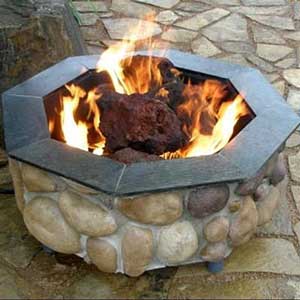
What Is Anger Management Anger management is also about experiencing healthy anger and manifesting it when necessary. Managing our anger problems, anger issues, dealing with anger, irritability, aggressive behaviour (or being passive aggressive), having a bad temper, flaring up can be addressed using various anger management techniques. Learning to contain the fire of our feelings at times may be important. For many people, anger treatment and controlling anger is insufficient, because underlying triggers, causes, effects may also need attention - for us to take responsibility for being the cause of our anger, learning what we are doing to cause it. Our anger problem, anger issues may go back a long way. We usually have a story to tell. The anger therapy therefore not only looks at our current situation, but also takes into consideration the impact of our past and includes where we would like to be, what stops us getting there so far.


Anger Management Counselling, Anger Management Therapy & Anger Management Sessions Anger therapy or anger counselling can provide a container for anger, irritability, fears, pain & hurt to be expressed. Taking into consideration the internal forces of the unconscious, we will also look at ways to become more aware of our anger problem, how to de-escalate our anger, so we are no longer at the mercy of our anger, irritability or frustration. We will look at how to put the handbrakes on, ways to go off on our own & take care of our own reactions, rather than dump our anger issues onto others and calming strategies, so we can be with our anger. We may need to learn how to express difficult feelings sensitively in conflict situations, so we don't bottle things up or explode. The anger therapy and anger counselling may also look at how free is our choice to get into a battle and can help clarify what precisely it is we are battling over. Anger management therapy has parallels to anger management courses, anger management classes. The anger counselling will also look at the cost of our anger, irritability, reviewing alternative ways of expressing our needs, without overspilling. The effect of stress, tiredness, poor eating patterns, excessive alcohol, drugs or other unwanted habits or addictions may also be addressed. Alongside exploring healthy anger we may also explore manifesting it when necessary. Anger counselling & anger therapy will also examine other possible responses to our anger, bad temper, irritability, urges, impulses, passion, including the filters we use and how we can be assertive without being angry.

Anger In Relationships Although our anger, irritability is temporary, our relationship with our partner is more permanent. The anger counselling may consider how we communicate in our relationship. Creating a framework for regular couple check-ins - really listening to each other, can help us talk about our anger and understand where each of us are coming from. This can be a mutually courageous and healing act. Without meaning to we may constantly frustrate, anger our partner by not being more of who they would hope us to be. Sometimes their expectations are reasonable; at other times, as they would readily acknowledge, they are bringing their own expectations, that no human being could possibly fulfil. In both cases it is critical, that any anger that has arisen can be divulged and heard. Acknowledging that no one is perfect and can meet our needs, what may matter more is that we are politely and sympathetically heard, that we have shared our disappointment we had in them and how much we can forgive them when they aren't defensive, when we outline to them what is least optimal about life around them. We each have the opportunity to let go of what lets us down in an atmosphere of understanding, mutual respect and apology. And in this spirit, we don't have to get angry when we divulge our anger - the mood can be not animated - more serene (maybe even playful) where we can express to our partner politely, and even sweetly, what is going on for us around our anger. We may want to ask our partner "What are you angry with me about?" and our partner may answer that we don't have a better job, we are unreliable, leave things messy, untidy, we worry too much about our parents, or that our friends are boring. Our partner may get angry because we get anxious or bad tempered, or that we harshly judge others. "How have I scared you recently?" can at first feel like a strange question to ask, yet we scare each other all the time, where our love can be throttled by fear and the fear can erode trust (this is often linked to a small, vulnerable part in us, needing, seeking a safe mummy or daddy). Because we are committed to loving them, when we hear our partner sharing with us their inner world around their anger, we can summon our own courage to accept how much we may have angered or scared them. And we don't have to go to bed angry, even if something is unresolved - we can choose to healthily release it, so we aren't holding on to it and have a restful sleep. Our anger can have a psychological influence on our sex life. Sometimes we can frighten ourself by what we say, do or could do. We may treat others badly, saying things we would like to take back. We may feel remorse, guilt or shame. Heated arguments can turn into anger. And when captive to our anger, sometimes it can be as if we are watching ourself doing it - being angry, controlling, blaming, criticising and hold onto the belief that we can't stop, as if we have no choice. Hurt inside, some may close off, shut down or give their partner the silent treatment so our all-or-nothing thinking can affect us withdrawing or becoming angry. Some of us may want to find a better way of dealing with anger in relationships, and the anger management therapy or anger counselling can support us in this, so we can take ourself off, take care of our own feelings and not put them onto someone else. (See also Overdemanding, Undermining, Emotional Abuse, Possessiveness & Conflict In The Relationship Or Marriage)
Rescuing, Attacking, Blaming Or Victimising Ourself Some of us may find it hard to forgive, so we get angry. It can be as if we switch roles between attacking, being sorry for us or others (deflation), or rescuing situations. We may end up attacking (see also Scapegoating, Controlling Behaviour, Blaming & Criticism - Losing Strategies in our relationship), because our role of trying to fix things or please others hasn't worked. We may not want to feel like a victim, therefore not to take so personally what other people do or say - for that is about them (see Drama Triangle of Victim, Rescuer, Persecutor).
Genuine forgiveness does not deny anger, but faces it head on.Alice Miller
Impact Of Our Anger Sometimes our anger gets what we want. Yet the other person may be afraid of us, control or intimidate us, complying with our demands. This may impact of relationships in the long run.
Fear Of Anger In Other People When faced with someone else's anger our fight-flight-freeze response gets activated. We may become afraid of anger in others. Some of our responses may date back to earlier experiences in childhood. Being on the receiving end of anger is something we can work with in the anger therapy or anger management counselling. Some of us may try to avoid all conflict or fear confrontation. Others may want to find ways to powerfully transform our responses, defuse anger, especially when feeling blamed, criticised, controlled.

On The Receiving End Of Anger Sometimes both parties can form a dysfunctional relationship system around anger. Many of us don't like it when someone is angry with us, when someone's behaviour is closed, goes into resistance, treats us with uncaring ways, withdraws, disconnects, shuts us out, makes demands on us, disrespects our right to disagree or say "No". As someone's anger is likely about them, they may blame us for their feelings they find hard to manage. We may feel lonely inside, our personal boundaries can help us and it can call upon our courage to stay loving to ourself and others when faced with someone's anger. Monitoring our emotions, taking a pause before we say or do anything may be wise. People often say things they don't mean when enraged, often forgetting what they did say and trying to talk about the exact words spoken may be fruitless. Letting go of trying to immediately resolve things may help as may noticing our own triggers for anger which may be lifelong. It may help to acknowledge that most people get angry at times, and we don't have to react. There is a difference between someone being angry and someone being abusive. (As a couple without being abusive we can sometimes have a healthy fight in our relationship.) In responding to someone's anger, we may defensively complain, resist, withdraw, explain away, get angry, become controlling in return or tell the other person to calm down, which may have an adverse effect. Healing our end of the system, valuing, loving ourself may be important as may the challenge of loving, accepting others if they get angry as we learn to accept, tolerate each other's wounded parts (ultimately, if we can't love, accept others it may be best to leave the relationship). Sometimes it can be best to listen and hear the other person out and on other occasions to disengage while they are angry, so they learn to manage their feelings, yet keeping our own heart open. (Disengaging doesn't mean we walk away in anger, nor does it mean shutting down, withholding, closing our heart, punishing others. It is more about taking loving care of ourself, telling ourself this isn't about us - it's about whatever is going for the other person.) This also helps diffuse situations. After cooling off period the relationship between each other may be healed if both the person being angry and the one on the receiving end don't blame themselves or each other, yet find some compassion, so we don't hold on to grudges and can get our points across. And if someone truly cares about us, we can learn a lot by going beyond the anger to what they are really telling us - for there may often live a kernel of truth of what they are telling us. Opening our heart to hearing this, even in the face of anger, can be healing for both. (See also On The Receiving End Of Passive Aggression)

Childhood Experiences How anger, irritability, bad temper was expressed, or not expressed, in our family of origin can shape how we directly or indirectly express our anger as adults. How we express our anger now, may be influenced by uncomfortable experiences when we were younger, e.g. pain of rejection, our envy & jealousy or a sense of entitlement from a parent who spoilt us. Anger counselling & anger management therapy can help uncover these links, alongside our own relationship style, e.g. disorganised, disorientated. For some we may have learnt to inhibit our anger by pleasing, fixing, rescuing, being overly nice, play the nice guy. Hiding our angry parts may disempower us at a cost of not truly living. (We may for example have learnt to "hold our tongue", struggling with ways of expressing our anger healthily.) As a baby, if we are overstimulated, frustrated, hungry, have a temperature, we may use our feelings of anger as a valid response, communicating this anger through putting these angry feelings onto our caregiver (usually mother), where ideally they are picked up, felt, understood, empathised and contained by her (without us being seen as bad, wrong or our caregiver getting stressed). Yet if our mother is stressed or unable to contain or empathise with our angry feelings (acknowledging them with messages from both parents that it's OK to feel angry), our psychological growth, emotional responses (including anger expression), may become inhibited (see also Our First Relationship - Early Connections & Bonding Patterns). Anger now can manifest through unmet needs from our past. We may also judge ourself now (e.g. when we are angry now it may also be a projection of our own inner child's anger at us for being hard on ourself, because we struggle to sense, reassure, love our own child within). Some of our anger may go way back to childhood, where although we understand our parents weren't perfect - intellectualising this, it doesn't take away our authentic anger. We may struggle then and now to regulate our feelings.
Why We Get Angry We get angry because we choose to get angry, even though we believe we have no choice. We can blame our anger, irritability, bad temper or aggressive behaviour on many other reasons (e.g. needing, social approval, to be liked, noticed, for validation, approval, affirmation, reassurance, confirmation, permission, recognition, to be valued, appreciation, praise, attention, adoration, admiration, adulation, acceptance, trust). We can feel:
- Unheard (see also Being Heard, Seen, Appreciated & Met In The Relationship Or Marriage)
- Hurt in our relationship
- Controlled, blamed, criticised
- Envious or jealous
- Alone or lonely
- Disappointed
- Frustrated
- Helpless
- Rejected or abandoned - yet it may be us who is doing this by not taking care of our own inner child, judging ourself, not taking responsibility for our feelings
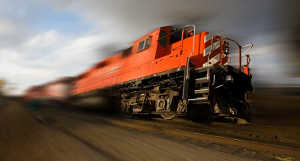
Understanding Our Anger Once we acknowledge that our anger is causing us a problem, and the problems our anger has led us to, we may want to do something about it and it is through our anger may live our path to forgiveness. Using the therapy to also pause & reflect on our anguish and anger - understanding that this is us, who has created the anger, not someone else, can enable us to become clear why we get angry in the first place. Anger can be experienced like a runaway train yet can also be utilised as part of our energy and this energy may need accepting, expressing, dissolving, diverting, transforming it into something positive at times (e.g. from irritation to inspiration, frustration to positive action, from being furious to curious). And being curious about why we are the way we are and in touch with and expressing other feelings, learning to contain certain emotions & thoughts, expressing them in healthy ways may support us. There can be an angry, rage-filled part of us, who lashes out, and another part of us, who feels bad, ashamed, regretful. We may forget that our anger is temporary, will pass, that our relationships last longer. We may struggle with suppressing anger or letting it go - often getting angry & even "getting off" on it, giving us a temporary sense of power, righteousness of being hard-done-by. This adrenaline rush can have an addictive quality to it and may also be used to keep our depression at bay. Some of us believe it is not safe to be vulnerable, fearful or terrified, so rather than show or express this, our sadness, sense of despair, helplessness or longing, we are angry instead. The anger therapy therefore also explores what might lay under the surface of our anger, what really gets under our skin so we can fully understand it regain our reasoning and reactions, express and overcome our anger in healthy ways, responding rather than reacting alongside offering supportive relaxation techniques.

Waves Of Anger Sometimes it can help us to think of angry feelings as waves or tides of anger (energy) which has the potential to sweep us away, to which we can ride back to the calm shores of our mind, looking on, sitting quietly, observing these waves, reminding ourselves we are not these waves or this anger as we refresh our mind.
It may be important to be aware of where our anger is coming from - the intent of it, so the therapy may explore distinguishing between victim anger and authentic anger. Anger from our wounded self is victim anger - making others responsible for our feelings, trying to have control over others, situations (including our own painful feelings), where we would rather get angry in which we may momentarily feel powerful - rather than feel more difficult feelings underneath the anger (e.g. loneliness, pain, helplessness over others, events or outcomes). We may therefore need to recognise and acknowledge our underlying emotion driving our anger by cultivating self-awareness, empathy, in order to develop constructive ways of channelling, expressing our anger through fostering open dialogue, mutual respect, self-advocacy, assertive communication and conflict resolution skills (see also Emotional Intelligence, Emotional Maturity). Mindfulness can enable us to have a sense of inner calm, emotional resilience also help us gain perspective, enabling us to respond to anger with more clarity, wisdom. When we express anger from this place, it is usually a projection of our own inner child, anger at us for not taking loving actions. Whereas authentic anger, taking responsibility for this from our loving self can come from righteous outrage - violations out in the world to the children, planet, homelessness, abuse. And this outrage motivates us towards action, correcting injustice.
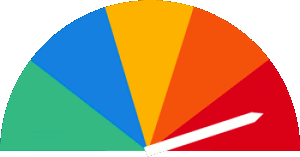
Anger Counselling & Anger Therapy explores where does our anger belong - is it for ourself, our partner, friends, a work issue, at God and how our ingrained anger doesn't serve us well, look good or feel good (whether it's the heat of our anger, we stew in it, brush it under the carpet, making everything toxic) affecting our head, heart, and health. The anger counselling can support us in overcoming our anger problems (anger templates) and explores how we might also choose a different response or feeling, so we are less caught or attached to our anger, can nip it in the bud when we need to, be in control of it rather than anger controlling us, so we can choose to express it cleanly, defuse it, let it subside and control its energy (see also Boundary Setting Counselling - Self-Control). Acting on our anger (rather than acting it out) embracing, harnessing our constructive anger - moderated through thought and reasoning, perspectives can empower us towards positive change. Just because we feel angry we don't have to become angry and the anger counselling can explore how we can also release it in responsible ways, regulate, process our anger by thinking about it and contain our anger when we need to, observe it as well appropriately express respectful anger. And we may at times feel powerless and unable to control anger. (This for some may be connected to our own inner child being angry at us for the lack of self-care, which we project our self-abandonment onto others, because we haven't given ourself the attention we need.) Being powerful, without abusing our power, accepting of "what is", may be a challenge for us (this may include accepting what others do and say is about them, not us). Yet when we do, we can learn not to take things so personally and reflect whether our actions (or often our reactions from our unhealed wounds) makes situations better or worse. We all have the right to be angry at any time, yet does our anger serve us? Anger management counselling & psychotherapy looks at our intent and what lays underneath our anger, our anger style, and also considers what gets us angry initially, what gets us on edge - our anger hooks and triggers when our buttons are pressed, the effect of early unconscious agreements, any repetition compulsion, mood swings that invoke our anger, and ways we might want to become, defuse our anger, control it when necessary and no longer abandon ourself through also exploring what other feelings we may be ignoring. The anger counselling may also consider whether it is anger we are experiencing or frustration - how this may be connected with our unmet, unrealistic or unfulfilled expectations, and how else we can respond. We may have feelings milder than anger, like irritability, annoyance, agitation or simply be upset, hurt, which escalate to anger problems. Anger on the surface can be about as needing to be right, yet if we have the courage to name our underlying feeling, e.g. "I'm scared, afraid" (the "fight mechanism" when feeling fear) this can de-escalate anger, establish meaningful connection, healing. The counselling for anger addresses any rigidity, our resilience around anger alongside any unhelpful beliefs (e.g. life shouldn't treat us this way). This may include taking responsibility for our impact on others (e.g. people fee pushed away or scared). The anger counselling can also look at our fight-flight-freeze response, issues of control, exploring whether we look outside or inside of ourself for the source of our anger and the role of our beliefs what is in our control and what isn't, our vulnerability, fear, disidentification, letting go, the power of surrender and practising being less reactive, more proactive, so we know the difference between victim anger - that keeps us powerless, stuck, and authentic anger, that motivates us towards taking loving action, when we are coming from our compassionate adult, cleaning our heart from negative feelings. And the anger therapy can also be a place to look inside ourself instead of being swept away by our anger, finding the wisdom in our anger, identifying what our anger is trying to communicate to us, e.g. pointing to what we need, what we deeply care about, so we can grow, learn through our anger.
Anger Management Courses & Anger Management Classes The anger management sessions I offer are one to one. Some people may prefer working with others in a group, rather than attending individual anger management sessions. Anger management techniques alone may not be enough for us, without understanding how it manifests - its processes, where our anger is from and what it means for us. Anger management courses and anger management classes are available elsewhere for those who prefer to work with their anger issues or anger problems in a larger group.
Specific Questions About Anger Management Counselling, Anger Therapy We may have certain questions about anger control, passive aggressive behaviour, anger issues, anger problems, etc, e.g.:
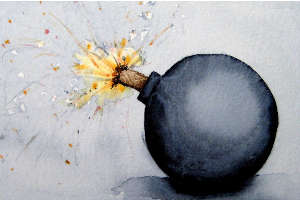
- What is anger management?
- What do anger management sessions consist of?
- What are the anger control techniques?
- Is dealing with anger possible?
- How to control anger?
- What is passive aggressive behaviour?
- How to control a bad temper?
- How can I get practical help with anger?
- Why do I have irritability?
- Why am I explosive with a short fuse, short temper?
- What are the ways of controlling anger?
- How effective is anger management counselling, anger counselling or anger therapy
FAQs about the Anger Management Counselling London practice based in Kings Cross, Camden:
- What is the frequency of anger management counselling in London, Kings Cross?
- How many anger management counselling in London sessions do I need?
- How much does anger management counselling London cost?
- Must I visit your London counselling for anger management in Camden or do you offer Zoom or Teams counselling, online counselling?
- What are the advantages and disadvantages of offering online counselling, Zoom or Teams counselling or in-person counselling in London, Camden, Kings Cross
- Do you only offer anger management counselling in London, Camden or Kings Cross?
- What times do you offer anger management counselling in London, Kings Cross or Camden?
- How do I contact a counsellor in London, Camden, or near Kings Cross?
- How effective is anger management counselling in London, Kings Cross, Camden?
- What can I expect from the initial session of anger management counselling London?
- What to expect from the other anger management counselling London sessions?
- What is the typical duration of the London counselling for anger management in Camden, Kings Cross